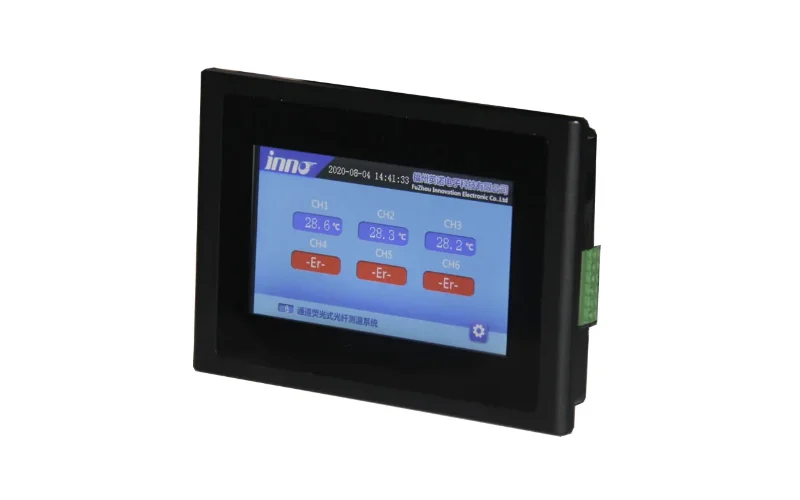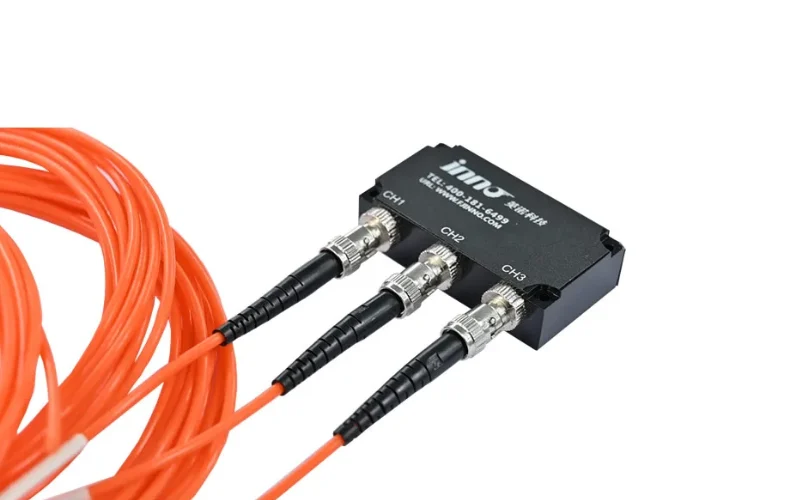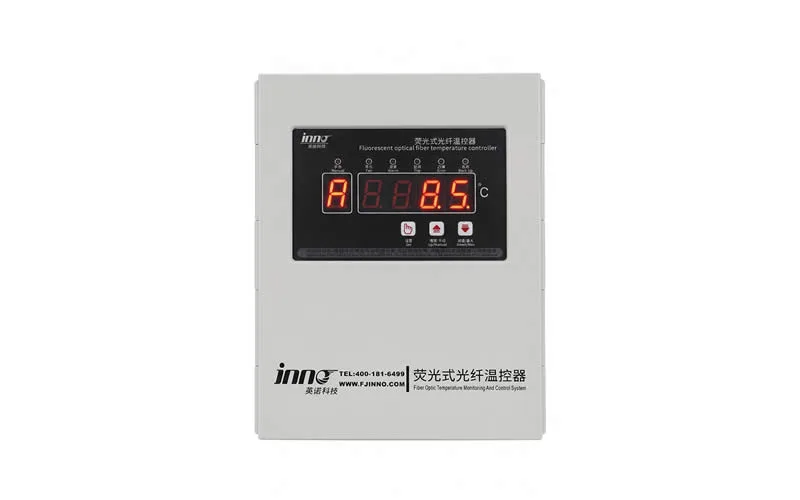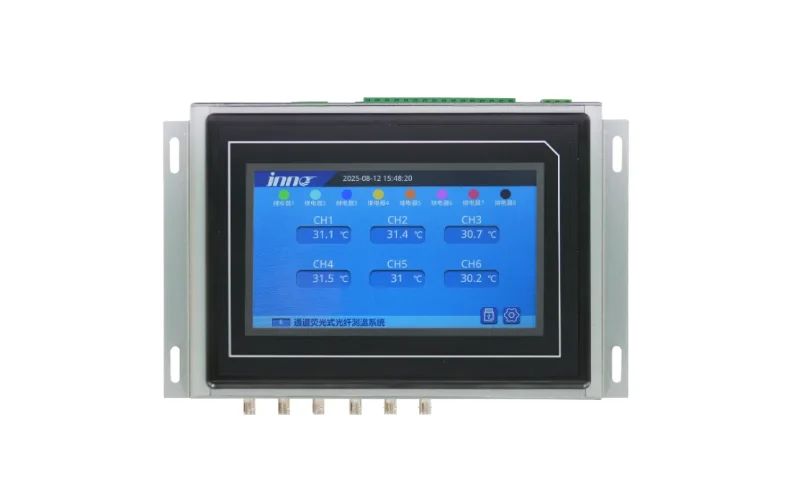
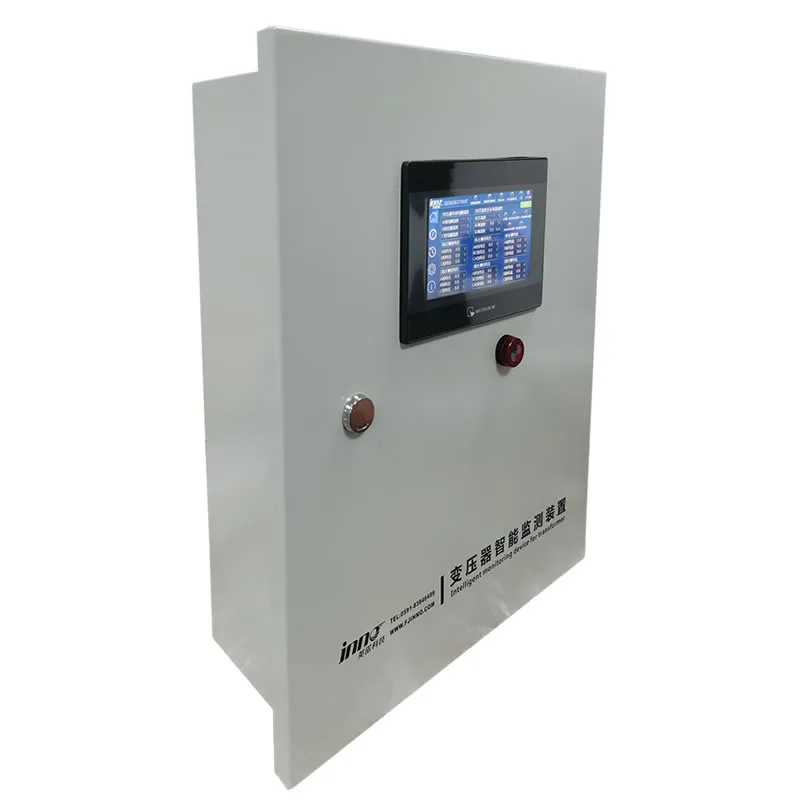
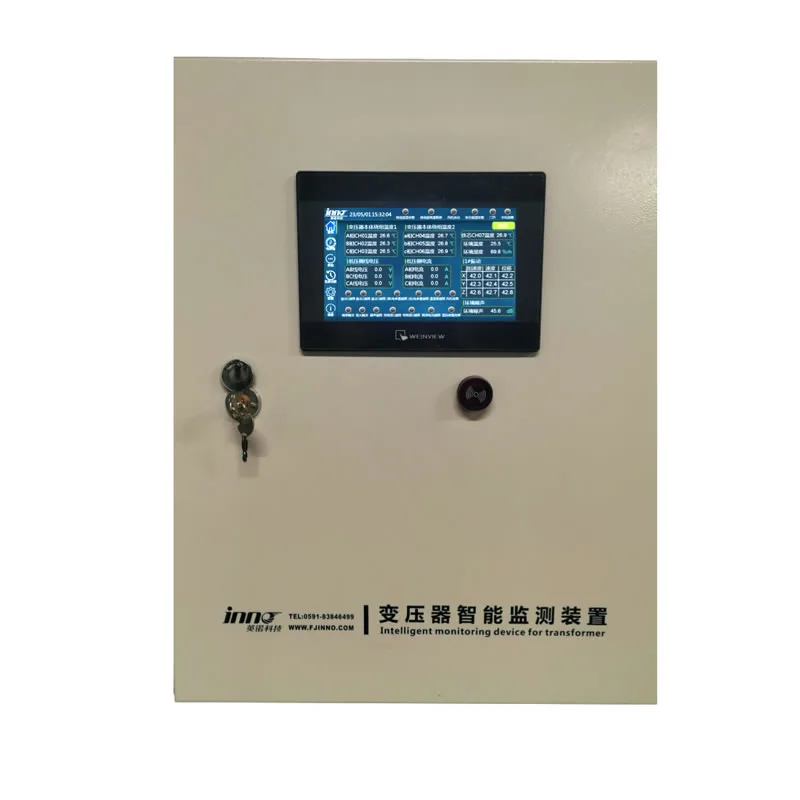
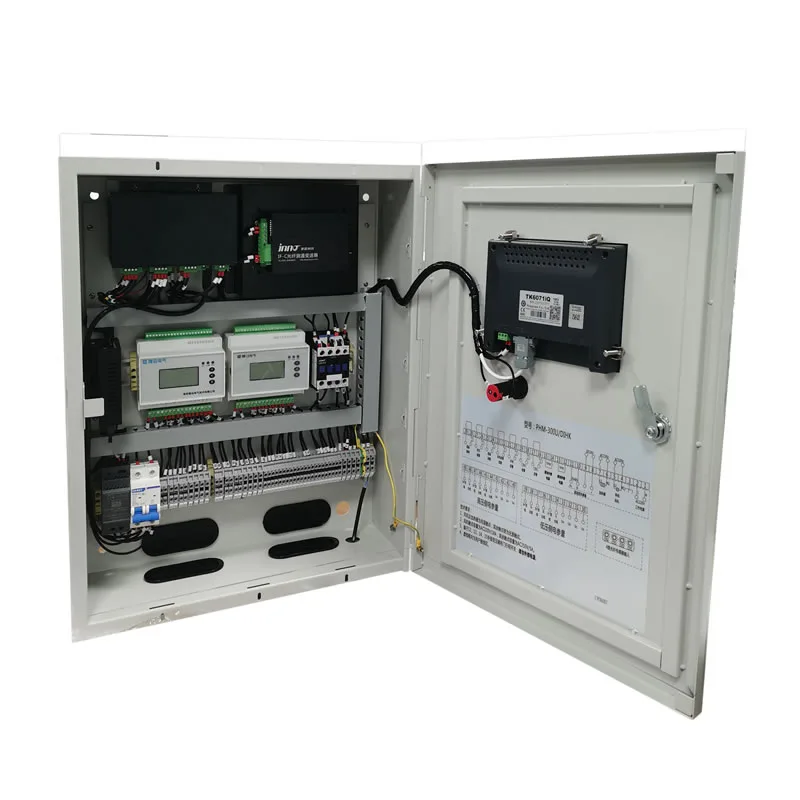

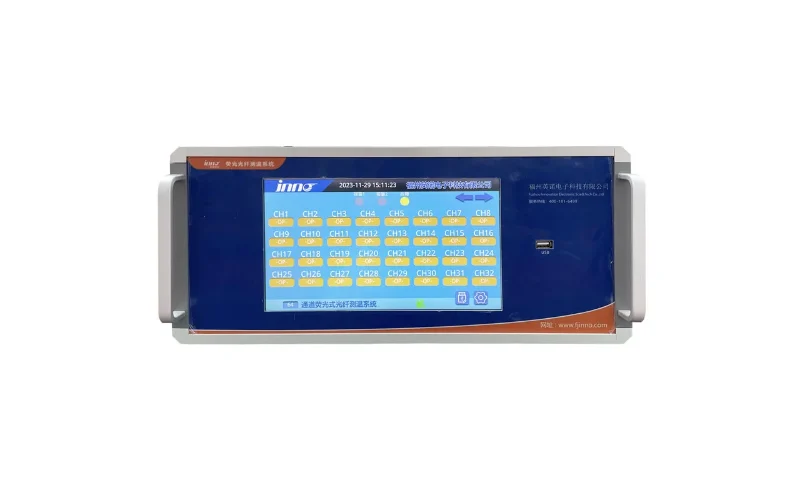
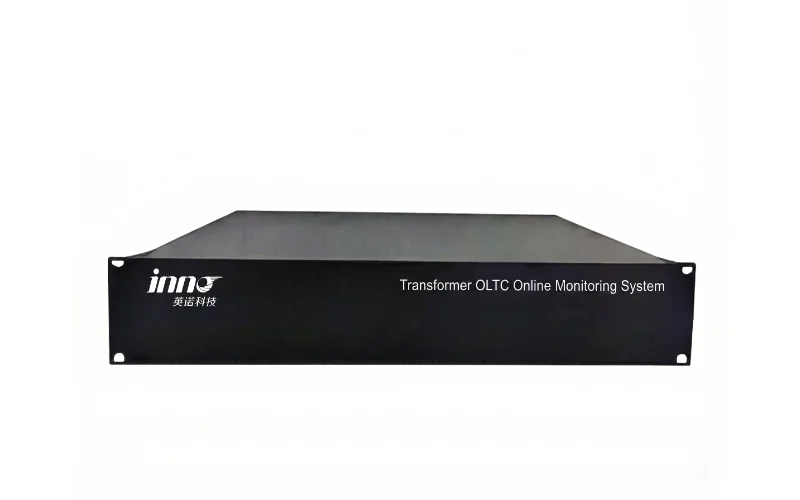
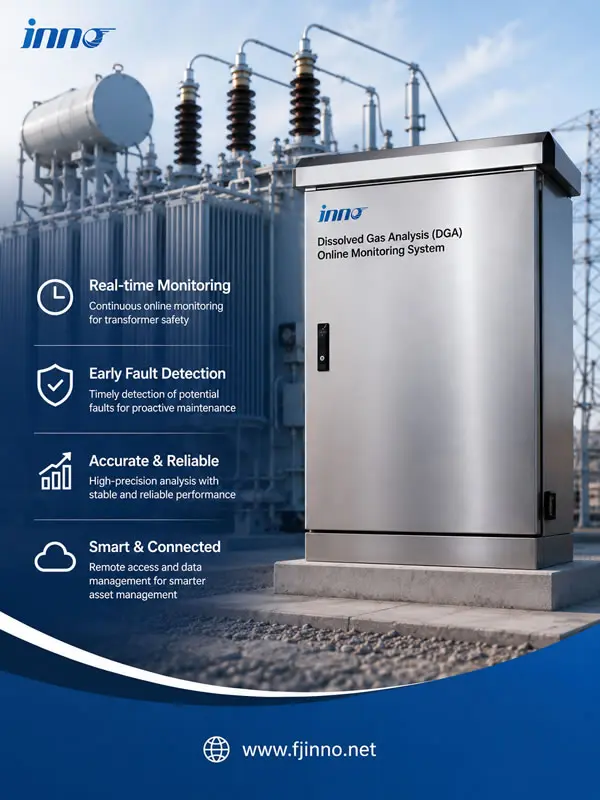
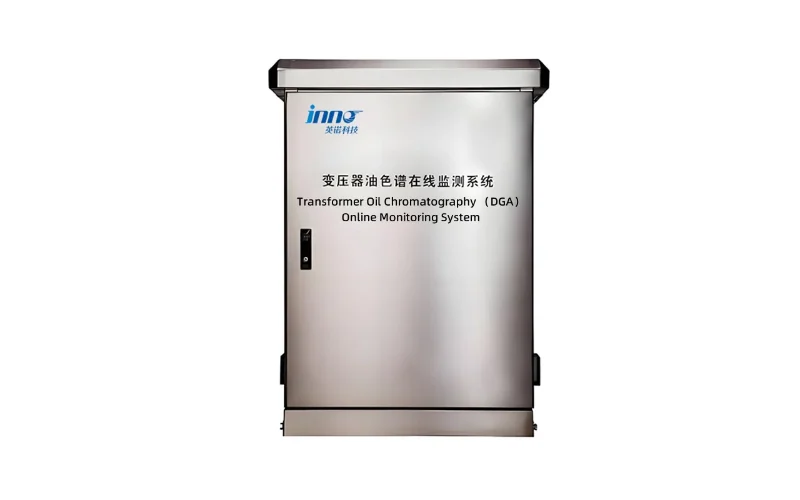
The INNOFZ intelligent online monitoring system is a PHM (Prognostics and Health Management) platform built to continuously assess the operational health status of dry-type transformers. Instead of relying on periodic manual inspection, the system combines fiber optic temperature sensors, partial discharge detectors, vibration and noise sensors, and environmental monitoring devices into a single intelligent architecture — giving station operators real-time visibility into transformer condition and early warning of developing faults.
Why Online Health Status Monitoring Matters for Transformers
In rail transit power substations and other critical power applications, transformers supply continuous power to essential equipment, and undetected faults can lead to costly outages or safety incidents. Traditional scheduled inspection often misses early-stage hidden faults between maintenance cycles. An intelligent online monitoring system continuously tracks the transformer's operating status and surrounding environment, performs automated health analysis, and issues timely alerts — allowing hidden risks to be identified and addressed before they escalate into failures.
System Architecture: Host, Devices, and Sensors
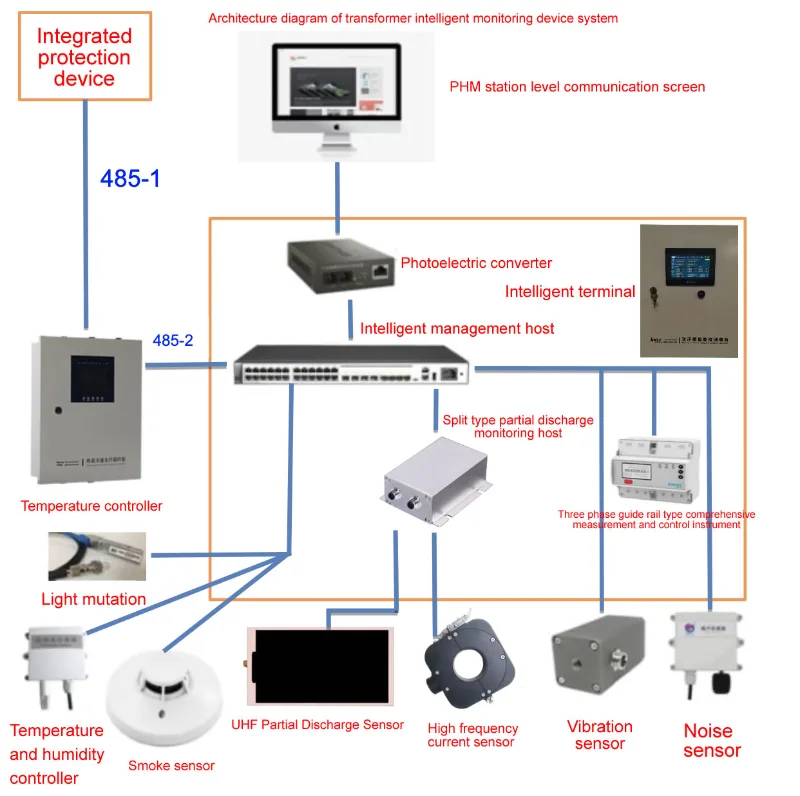
The system follows a three-layer architecture connecting station-level communication down to individual sensing points:
- Intelligent Management Host — the central processing unit that aggregates data from all connected devices and sensors, performs health status analysis, and communicates with the PHM station-level communication screen via fiber optic network and the IEC61850 protocol
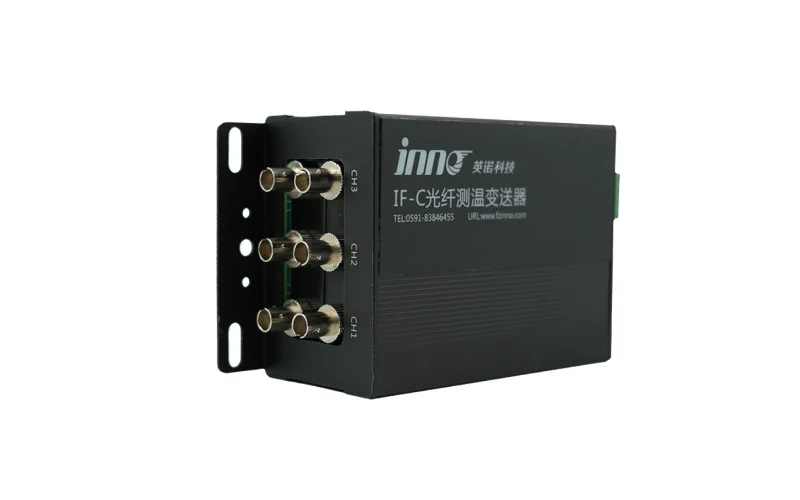
- Intelligent Terminal & Photoelectric Converter — interfaces between the management host and the station communication network, converting and relaying monitoring data
- Monitoring Devices — including the fiber optic temperature controller, split-type partial discharge monitoring host, and three-phase guide-rail type comprehensive measurement and control instrument, each handling a specific category of equipment status data
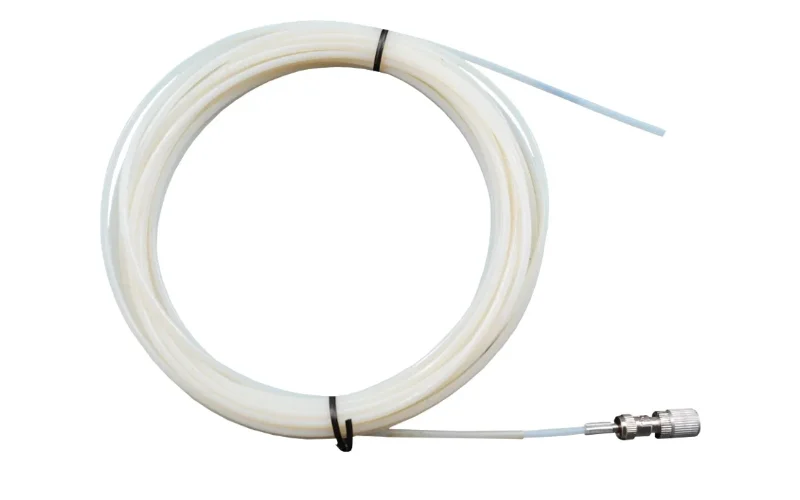
- Field Sensors — fiber optic temperature probes, UHF partial discharge sensors, high-frequency current sensors, vibration sensors, noise sensors, temperature and humidity controllers, smoke sensors, and arc-light (light mutation) sensors installed directly at the transformer and surrounding environment
Intelligent Temperature Status Monitoring
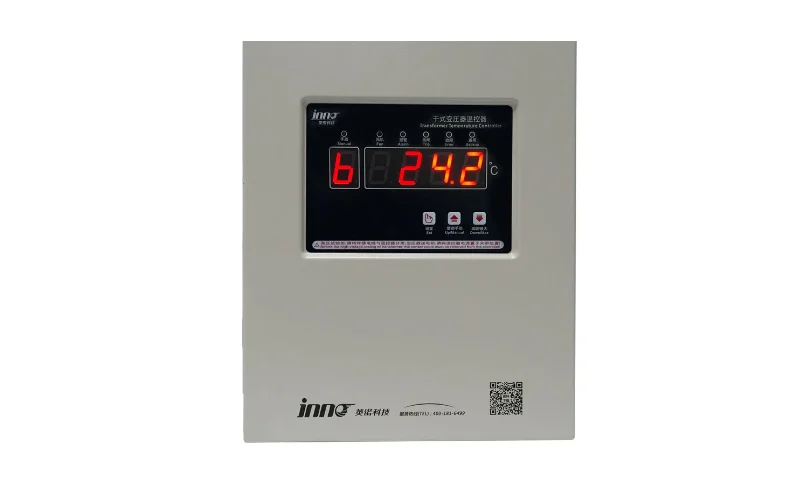
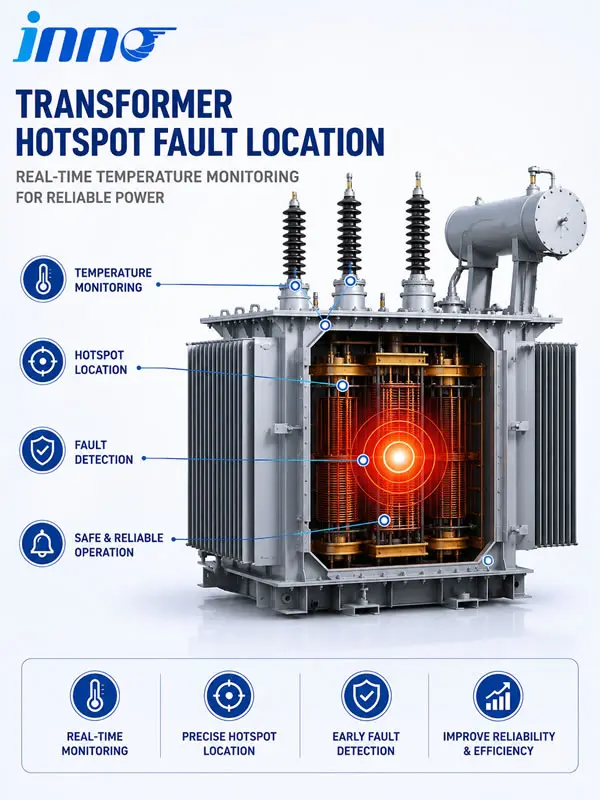
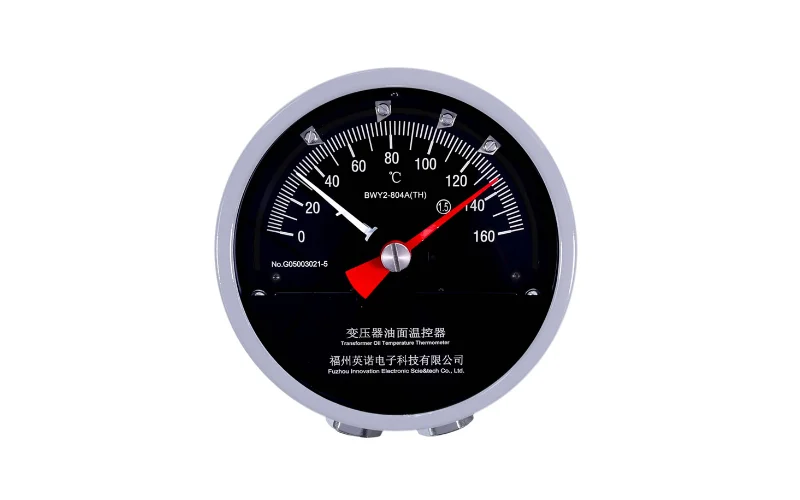
At the core of the equipment status layer, the fiber optic temperature controller continuously monitors winding and iron core temperature using fluorescent fiber optic sensing — a technology immune to electromagnetic interference and safe at high voltage. This provides the real-time temperature data that feeds directly into the system's overall health status assessment.
Equipment Status Monitoring
- Winding and iron core temperature measurement via fiber optic temperature controller
- Electrical connection point arc-light (light mutation) monitoring
- Partial discharge monitoring through UHF and high-frequency current sensors
Environmental Status Monitoring
- Operating environment temperature and humidity measurement
- Transformer operational vibration monitoring
- Ground vibration monitoring
- Environmental noise monitoring
Local Intelligent Control Functions
- Automatic cooling fan control
- Heating control for low-temperature environments
- Dehumidification control to manage humidity-related risk
- Man-machine interface for local operation and status display
Health Status Assessment and Early Warning
Beyond raw data collection, the system performs operational risk assessment by correlating temperature, partial discharge, vibration, and environmental data into an overall transformer health status. When indicators move outside normal operating patterns, the system issues warning information to operators, supporting early intervention before a developing issue becomes a fault.
Applications
- Rail transit substation transformer health monitoring
- Dry-type power transformer online condition monitoring
- Stations requiring integrated multi-parameter equipment and environmental monitoring
- Substations with IEC61850-based station automation networks
Technical Parameters
| Parameter | Specification |
|---|---|
| Power Input | AC 220V, power consumption ≤ 50W |
| Analog Input | 4–20mA / 0–5V / 0–10V DC signal acquisition, compatible interface |
| Switching Input | Dry contact input signal |
| Switching Output | Relay output via high-current contactor, output contact capacity ≥ AC220V/10A |
| Serial Communication | RS485 interface |
| Ethernet Port | RJ45 Ethernet port |
| Optical Interface | IEC61850 protocol conversion, fiber optic interface |
| Slave Device Power Output | 24V/30W, 12V/20W |
Customization & Service
INNOFZ configures each intelligent online monitoring system to match the specific equipment layout, sensor count, and communication protocol required for the project. From station-level architecture planning to individual sensor selection, INNOFZ supports full project customization and OEM/ODM cooperation.
- Custom sensor combination based on which equipment and environmental parameters need to be monitored
- Custom communication protocol and station-level integration, including IEC61850 networks
- OEM/ODM and private-label manufacturing for system integrators and panel builders
- Pre-sales engineering consultation on system architecture and sensor placement
- After-sales technical support and system commissioning assistance
Contact INNOFZ to discuss your transformer health monitoring project and request a tailored system configuration.
Frequently Asked Questions
What does "PHM" mean in this online monitoring system?
PHM stands for Prognostics and Health Management — an approach that continuously monitors equipment condition and analyzes the data to assess operational health status and predict potential faults before they occur, rather than relying only on scheduled inspection.
How does the system combine temperature monitoring with other sensor data?
The fiber optic temperature controller feeds winding and core temperature data into the intelligent management host alongside partial discharge, vibration, and environmental readings, allowing the system to assess overall transformer health status from multiple indicators together rather than temperature alone.
Can the system control transformer cooling and dehumidification automatically?
Yes. The intelligent management host includes local control functions for fan operation, heating, and dehumidification, in addition to its monitoring and status assessment role — see the Local Intelligent Control Functions section above.
Is this system suitable for integration into existing substation automation networks?
Yes. The system communicates via fiber optic network and the IEC61850 protocol, allowing direct integration with station-level communication screens and substation automation systems.