Rail Transit Transformer & Temperature Monitoring
Rail transit transformer monitoring for traction substations, dry-type transformers and other critical electrical equipment, built around temperature data and fiber optic sensing suited to demanding railway and metro environments.
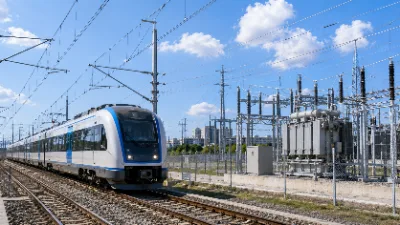
Why Temperature Visibility Matters in Rail Transit Power Systems
Traction power equipment operates under conditions that differ from typical industrial or utility settings, which shapes how temperature and condition data should be collected.
High Electrical Load
Traction and rectifier transformers can carry substantial current under demanding duty cycles, driving thermal stress over time.
Frequent Operating Cycles
Repeated train movements create frequent load changes, contributing to repeated heating and cooling cycles on key transformers.
Restricted Equipment Rooms
Traction substations and equipment rooms often have limited space and access, making frequent manual inspection impractical.
Strong Electromagnetic Environments
Power electronics and traction equipment create electromagnetic conditions that call for sensing methods with strong EMI immunity.
What Should Be Monitored in Rail Transit Power Equipment?
Rail transit power systems rely on a mix of transformer types and electrical equipment, each with different thermal behavior and monitoring needs.
- ●Transformer Winding Temperature — for both dry-type and oil-immersed transformers.
- ●Hot Spots — locations most likely to run hotter than average under load.
- ●Cooling Condition — how effectively heat is dissipated during operating cycles.
- ●Traction Substation Transformers — the core power conversion assets feeding the traction network.
- ●Rectifier Transformers — where applicable to the traction power configuration.
- ●Switchgear, Busbar and Cable Terminal Hot Spots — where relevant to the site's electrical layout.
Related: Dry-Type Transformer Temperature Monitoring · Transformer Winding Hot Spot Monitoring · Transformer Temperature Monitoring
Temperature Monitoring in Traction Substations
Traction substation monitoring focuses on the transformers and electrical equipment that convert and distribute power to the traction network. Railway traction substation monitoring and metro traction substation monitoring share this same core need: continuous visibility into how key equipment is performing between inspections.
Traction power transformer monitoring is often the starting point, since these units carry the electrical load that keeps trains moving.
Traction Power Transformers
Primary conversion equipment supplying the traction network.
Rectifier Transformers
Present where the traction system configuration requires rectification.
Dry-Type Transformers
Common in station and substation equipment rooms with restricted space.
Switchgear & Distribution Equipment
Connection points and busbars that can develop localized heating.
Cable Terminations
Termination points worth including where hot spot risk is relevant.
Dry-Type Transformer Temperature Monitoring for Rail Transit
Dry-type transformers are widely used in rail transit stations and traction substations, particularly where oil-filled equipment is undesirable due to space or safety considerations.
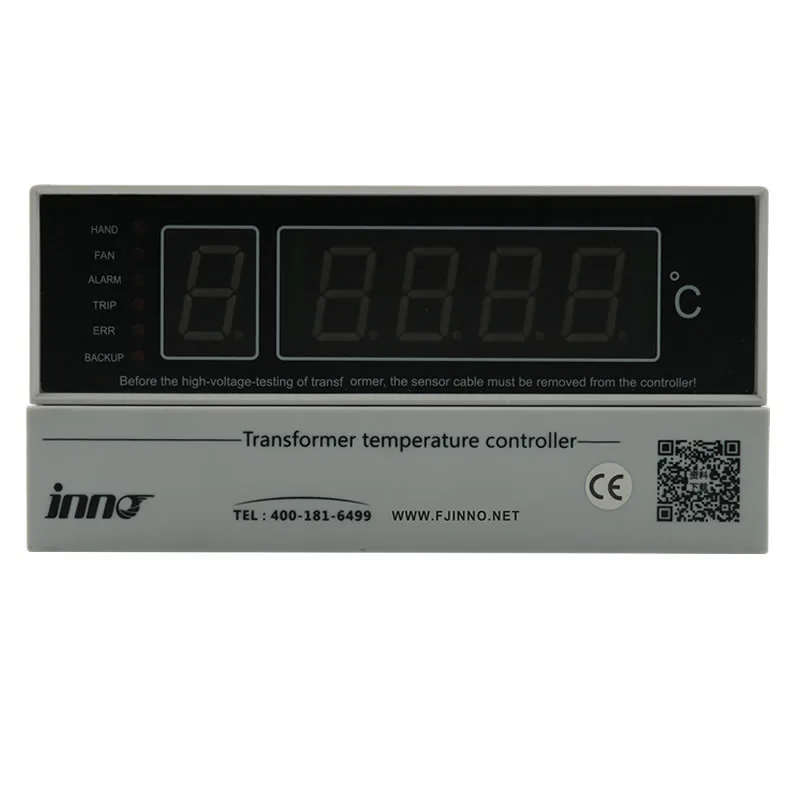
Rail transit dry type transformer monitoring tracks winding temperature and provides control outputs to support cooling fan operation and alarm functions. Metro transformer temperature monitoring commonly relies on this same approach across station-level dry-type units.
Product: IB-S201 Dry-Type Transformer Temperature Monitor and Controller
Fiber Optic Temperature Monitoring in High-EMI Rail Environments
Rail transit power systems often operate in strong electromagnetic environments created by traction power electronics and switching equipment. Fiber optic temperature sensing is well suited to these conditions.
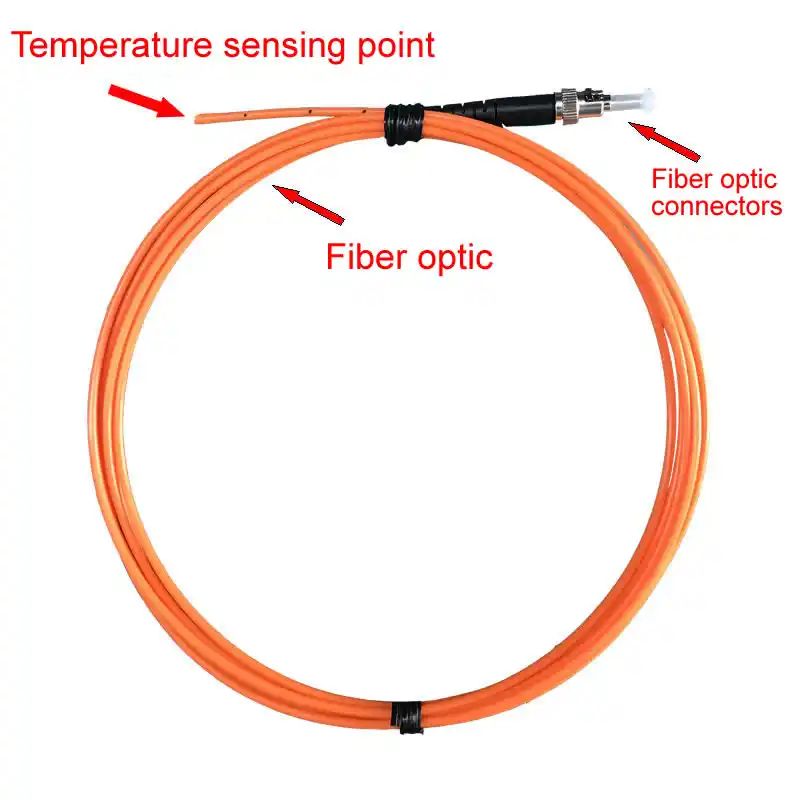
- ●EMI Immunity — optical sensing is not affected by the electromagnetic interference common in traction environments.
- ●Electrical Isolation — suitable for placement on and around high-voltage equipment.
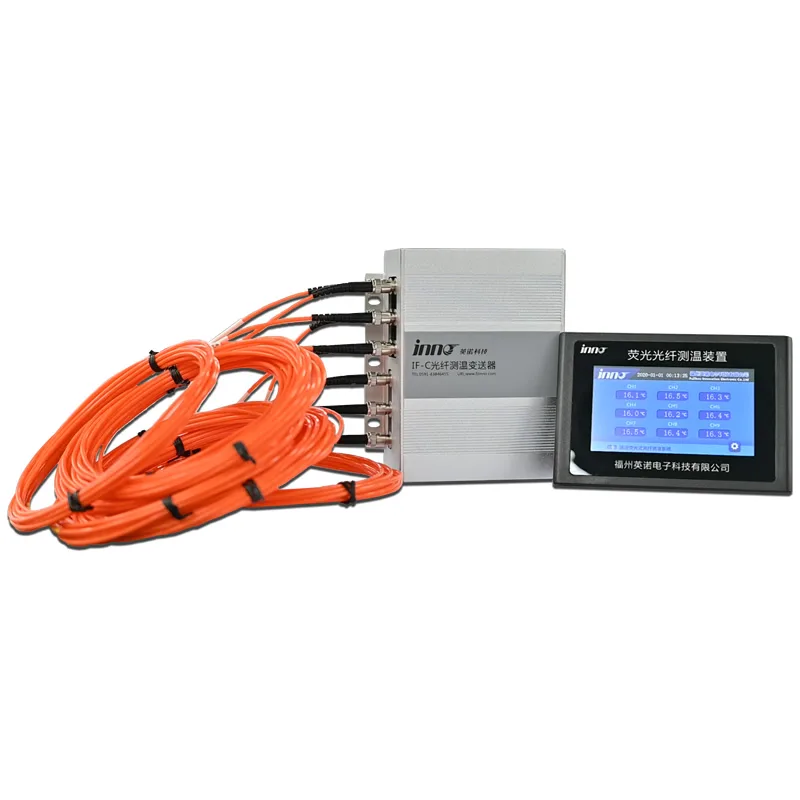
- ●Multi-Point Temperature Monitoring — multiple sensing points can be measured together across a transformer or panel.
- ●Hot Spot Monitoring — sensors can be positioned at locations most likely to develop elevated temperature.
Products: Multi-Channel Fiber Optic Temperature Measurement and Monitoring System · Fluorescent Fiber Optic Temperature Sensor
Where Temperature Monitoring Adds Value in Rail Transit
Different points across a rail transit power system carry different levels of thermal risk. Not every location requires the same monitoring approach.
Traction Transformers
Core conversion equipment under continuous duty.
Dry-Type Transformers
Common in stations and equipment rooms.
Rectifier Transformers
Present in certain traction configurations.
Switchgear Connections
Connection points prone to localized heating.
Busbar Hot Spots
Locations where current density is highest.
Cable Terminations
Termination points worth including where relevant.
Not every location requires the same sensing method — selection depends on equipment type, accessibility and project priorities.
Selecting the Right Temperature Monitoring Method
Different sensing technologies suit different equipment types and environments. In practice, rail transit projects often combine more than one method.
| Method | Typical Application | Considerations |
|---|---|---|
| PT100 / Conventional Electrical Sensors | Dry-type transformer windings, general surface temperature | Widely used and straightforward to install; standard electrical sensing considerations apply near high-voltage or high-EMI locations |
| Fiber Optic Temperature Sensors | Selected internal hot spots, high-EMI locations, multi-point measurement | Electrically isolated and EMI-immune, suited to demanding traction environments |
| WTI / OTI for Oil-Immersed Transformers | Oil transformer winding and top-oil temperature | Conventional indication method used on oil-immersed transformer designs |
The right combination depends on transformer construction, existing instrumentation and each project's monitoring priorities.
Related: Transformer Temperature Monitoring · Fiber Optic Temperature Monitoring
Identify Power Equipment
Locate Critical Thermal Points
Select the Sensing Method
Define Local and Remote Monitoring
Plan Integration with Existing Systems
How to Plan Temperature Monitoring for a Rail Transit Project
Start by listing the transformers and electrical equipment in scope — traction transformers, dry-type units, rectifier transformers and any switchgear or cable terminations of concern.
From there, identify which points are most likely to develop elevated temperature under normal duty cycles, and choose a sensing method — or combination of methods — suited to each location's construction and electromagnetic environment.
Finally, decide how monitoring data will be reviewed locally and remotely, and how it should connect with any existing control or monitoring systems already in place at the site.
Remote Monitoring Across Stations and Traction Substations
Rail transit networks span multiple stations and substations, making centralized and remote visibility a practical necessity rather than an added convenience.
The final integration path depends on each site's existing systems and available interfaces.
Monitoring Different Rail Transit Power Assets
Traction Power Transformers
These transformers carry the primary electrical load feeding the traction network, and are usually the first priority for continuous temperature monitoring given their operating duty and criticality to service.
Station Dry-Type Transformers
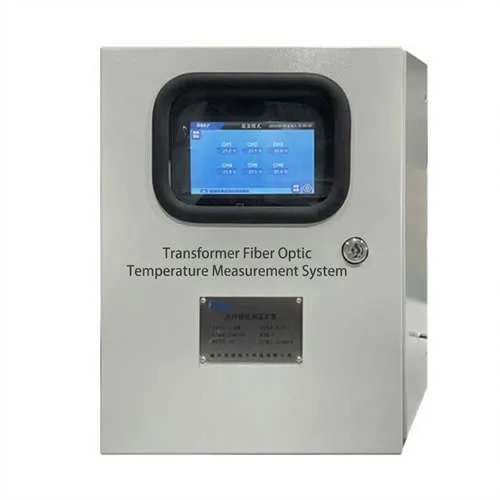
Dry-type transformers installed within stations and equipment rooms benefit from winding temperature monitoring that supports cooling control and helps flag abnormal thermal trends early.
High-Voltage Electrical Connections
Switchgear connections, busbars and cable terminations can develop localized heating over time. Fiber optic sensing offers a practical option for monitoring these points in high-EMI surroundings.
Additional Condition Monitoring for Critical Rail Transformers
For select critical transformers, temperature monitoring can be complemented with additional condition monitoring functions.
New Rail Transit Projects vs Existing System Upgrades
New Project
New metro projects and rail electrification projects offer the opportunity to plan sensor locations and monitoring architecture from the design stage.
- ●Plan sensing points for traction and dry-type transformers
- ●Select sensing methods per equipment type
- ●Design remote monitoring into the system from the start
Existing Rail System Retrofit
Existing traction substations and existing transformer temperature systems can often be upgraded without a full equipment replacement.
- ●Review existing temperature sensors and controllers
- ●Add monitoring at previously unmonitored points
- ●Integrate with existing maintenance or control systems where feasible
Why Choose INNO for Rail Transit Temperature Monitoring?
- ●Fiber Optic Temperature Expertise — sensing options suited to the high-EMI conditions found in traction power environments.
- ●Dry-Type Transformer Temperature Monitoring — dedicated monitors and controllers for station and substation dry-type units.
- ●Multi-Point Temperature Monitoring — systems that measure multiple locations across a transformer or panel together.
- ●New Project & Retrofit Support — monitoring can be planned for new rail infrastructure or added to existing traction substations.
Recommended Temperature Monitoring Products for Rail Transit
IB-S201 Dry-Type Transformer Temperature Monitor and Controller
Winding temperature monitoring and control for dry-type transformers.
View Product →Fluorescent Fiber Optic Temperature Sensor
EMI-immune sensor for high-voltage and high-EMI locations.
View Product →Multi-Channel Fiber Optic Temperature Measurement and Monitoring System
Measures multiple points across critical equipment simultaneously.
View Product →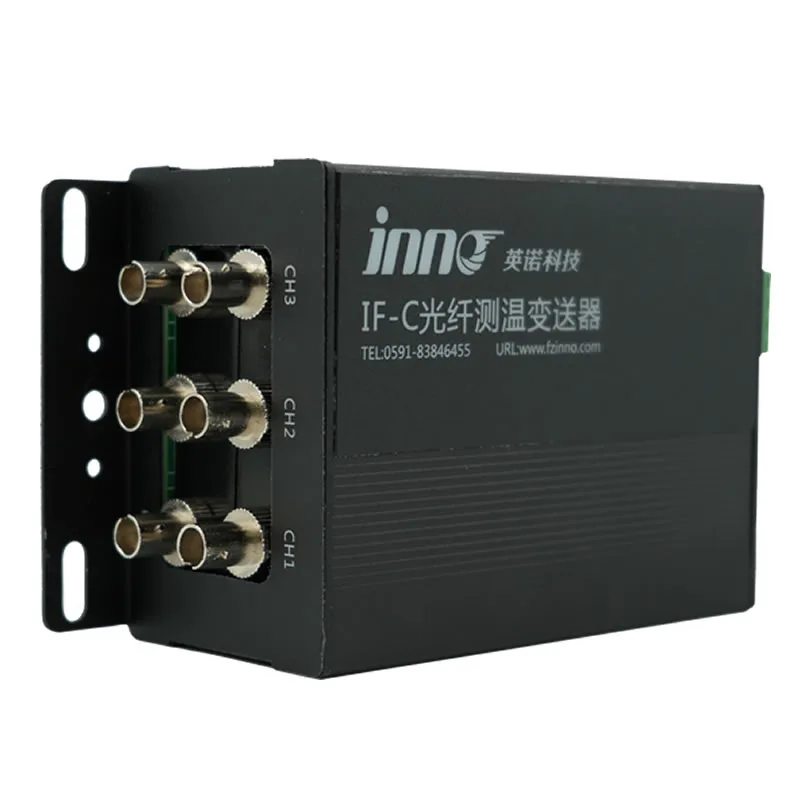
6-Channel Fluorescent Fiber Optic Temperature Demodulator
Compact demodulator supporting up to six fiber optic sensing points.
View Product →Fiber Optic Temperature Measurement System for Oil-Immersed Transformer
Direct winding hot spot measurement for oil-immersed traction transformers.
View Product →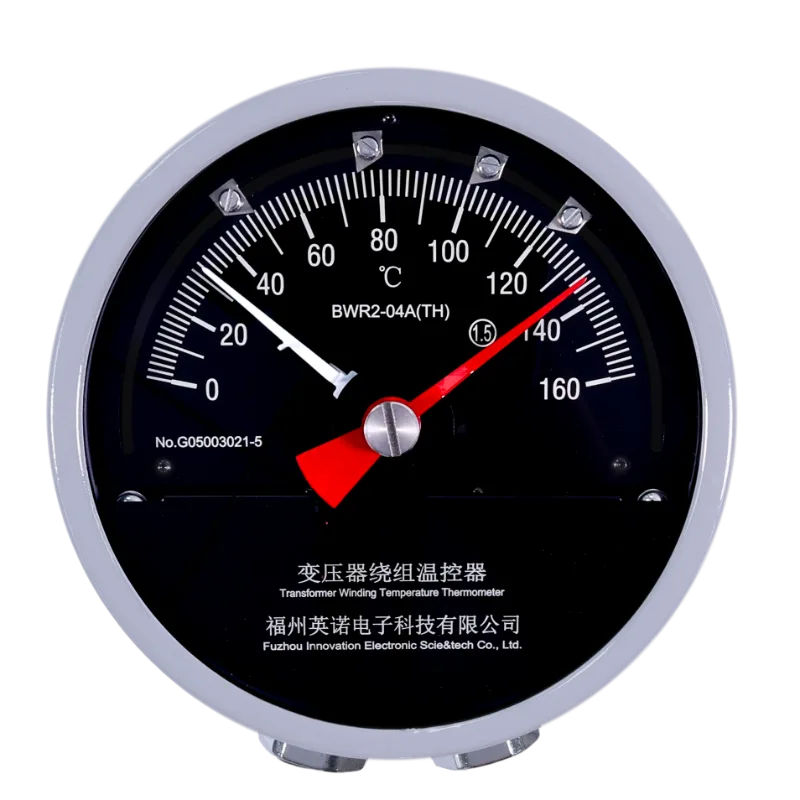
BWR2 Transformer Winding Temperature Indicator
Conventional winding temperature indication for transformer assets.
View Product →Related Temperature Monitoring Applications
Dry-Type Transformer Temperature Monitoring
Winding temperature monitoring and control for dry-type transformers.
Transformer Winding Hot Spot Monitoring
Direct thermal measurement under actual operating load.
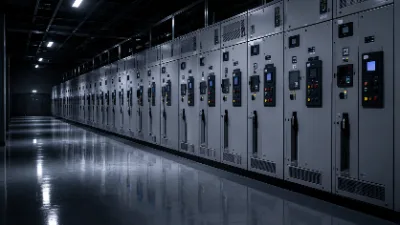
Substation Transformer Monitoring
Condition monitoring for critical substation transformer assets.
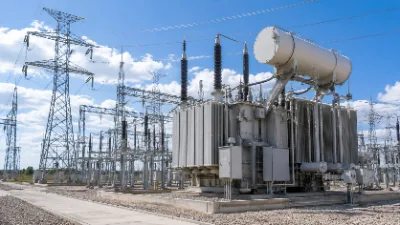
Power Transformer Monitoring
Comprehensive condition monitoring for critical high-value transformers.
Related Monitoring Solutions
What Information Helps Us Recommend a Rail Transit Monitoring Solution?
Sharing a few basics about your rail or metro application helps us suggest a suitable monitoring configuration more quickly.
- ●Rail or metro application type
- ●Equipment type (traction, rectifier, dry-type, etc.)
- ●Transformer type and rating
- ●Quantity of assets to be monitored
- ●Existing temperature sensors, if any
- ●Required monitoring points
- ●New project or existing system retrofit
- ●Remote monitoring requirements
Frequently Asked Questions About Rail Transit Temperature Monitoring
What is rail transit transformer monitoring?
It is the continuous tracking of temperature and related condition data across transformers used in rail transit power systems, including traction and dry-type units.
What is traction transformer monitoring?
Traction transformer monitoring focuses on the transformers that supply power directly to the traction network, tracking winding temperature and related thermal indicators.
What does traction substation monitoring cover?
It typically covers traction transformers, rectifier transformers where applicable, dry-type transformers and related switchgear within a traction substation.
How is railway transformer monitoring different from metro transformer monitoring?
The underlying monitoring approach is similar; differences usually come down to equipment configuration, site layout and each network's specific traction power arrangement.
Why is dry type transformer temperature monitoring important?
Dry-type transformers are common in rail transit stations, and winding temperature monitoring supports timely cooling control and early awareness of abnormal thermal trends.
Why use fiber optic temperature monitoring for rail transit?
Fiber optic sensing offers EMI immunity and electrical isolation, which suits the strong electromagnetic environments found around traction power equipment.
Can railway substation monitoring be done remotely?
Yes — temperature and condition data can be collected locally and made available to a maintenance or control center, depending on the site's existing systems.
Can existing traction substations be upgraded with temperature monitoring?
In many cases yes, though the available configuration depends on the transformer's construction, existing instrumentation and accessible installation points.
Monitor Critical Temperatures Across Your Rail Transit Power System
Share your traction substation or station equipment details, and we can help outline a suitable temperature monitoring configuration.