
Data Center Power Monitoring Solutions
Data center power monitoring solutions for transformers and critical electrical assets, combining data center temperature monitoring, winding hot-spot measurement, partial discharge, oil condition and remote condition data for high-availability facilities.
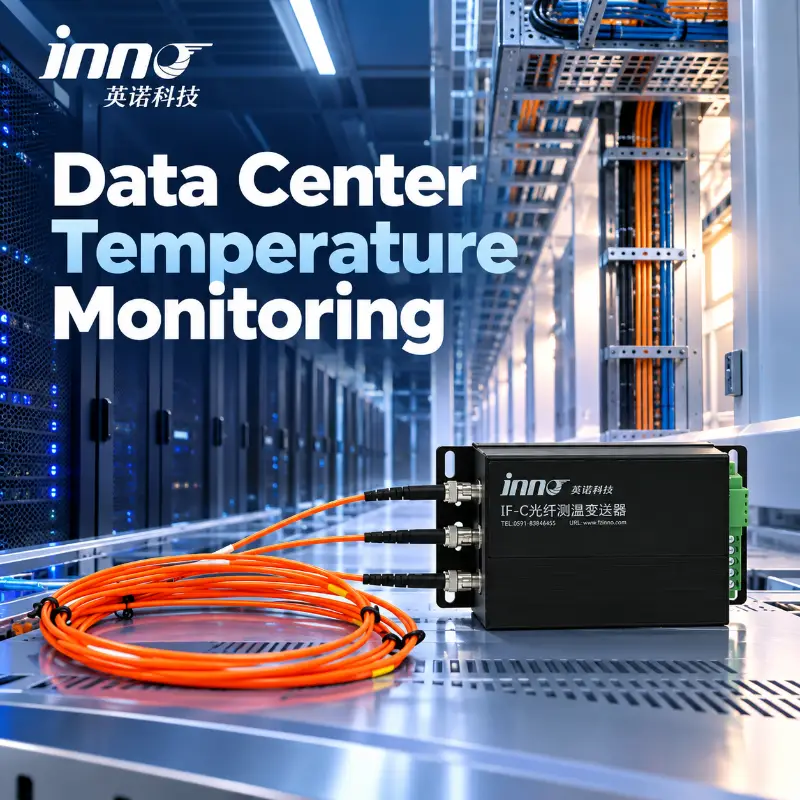
Why Data Center Temperature Monitoring Matters
High equipment utilization, harmonic-rich loads and strict uptime targets place continuous thermal and electrical stress on transformers and distribution equipment.
Continuous High Loading
Server, UPS and cooling loads operate around the clock, leaving limited time for transformers to cool between load cycles.
Harmonic-Rich Loads
UPS rectifiers and switch-mode power supplies can increase winding and stray losses, making temperature data important alongside load data.
Redundancy & Uptime
N+1 and 2N architectures depend on healthy parallel assets so a single equipment fault does not reduce power-system resilience.
Dense Electrical Rooms
Indoor transformer rooms, switchgear and busways can concentrate heat and make frequent manual thermal inspection difficult.
What Should Data Center Power Monitoring Cover?
Monitoring priorities depend on whether the facility uses indoor dry-type transformers, outdoor oil-immersed units or a combination of both across a campus power architecture.
- ●Transformer Winding Temperature — three-phase winding temperature and thermal trend for dry-type and oil-immersed units.
- ●Winding Hot Spots — selected internal locations where local thermal stress can exceed average temperature.
- ●Cooling Status — fan operation, cooling response and temperature behavior under changing load.
- ●Oil Condition — DGA, oil temperature, level and pressure for critical oil-filled transformers.
- ●Insulation Condition — partial discharge and related indicators where higher-value transformer assets justify additional monitoring.
- ●Switchgear, Busbar & Cable Hot Spots — high-current joints and connection points where localized heating can develop.
Related: Data Center Transformer Monitoring · Dry-Type Transformer Temperature Monitoring · Transformer Monitoring
Monitoring Electrical Assets Across the Data Center Power Chain
Data center monitoring should follow the electrical path from utility intake and campus transformers through indoor distribution equipment. The highest-priority assets are those whose failure would reduce redundancy or interrupt a critical load path.
Transformer monitoring is usually the starting point because winding temperature, cooling condition and insulation health directly affect the reliability of downstream power distribution.
Indoor Dry-Type & Cast-Resin Transformers
Common in electrical rooms where winding temperature and cooling control are primary monitoring priorities.
Campus Oil-Immersed Transformers
Utility-intake or outdoor transformers where DGA, oil condition and hot-spot monitoring may be required.
Switchgear & Busbars
High-current connections can develop local hot spots that are not visible from general room temperature.
Cable Terminations
Termination points and cable joints can be included in the thermal monitoring plan where current density is high.
Monitoring & Control Interfaces
Temperature, alarm and condition data can be mapped into BMS, EPMS, DCIM or SCADA according to project interfaces.
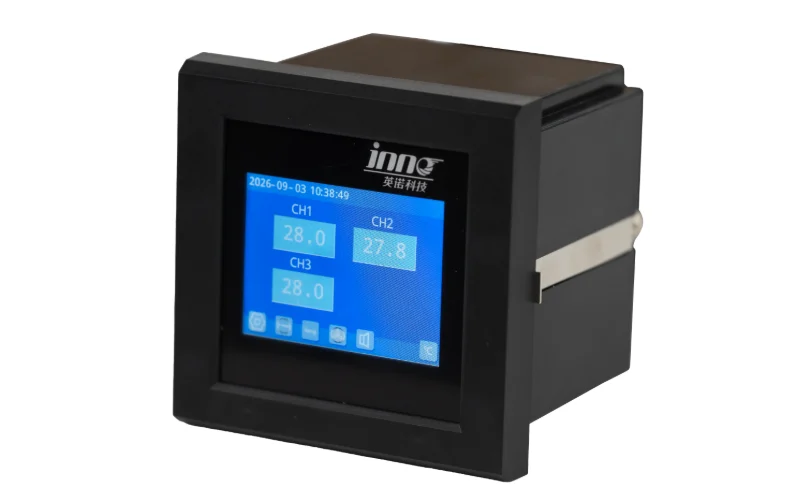
Dry-Type Transformer Temperature Monitoring in Data Centers
Dry-type and cast-resin transformers are widely used inside data center electrical rooms. Three-phase winding temperature, fan control, alarm and trip outputs form the basic thermal monitoring layer.
Pt100-based controllers are suitable for conventional winding temperature monitoring, while fiber optic sensing can be added where direct hot-spot measurement, electrical isolation or additional sensing points are required.
Products: YN-XP502F-3T Intelligent Monitoring Device · IB-S201 Temperature Monitor and Controller
Direct Hot-Spot Monitoring for High-Voltage Data Center Equipment
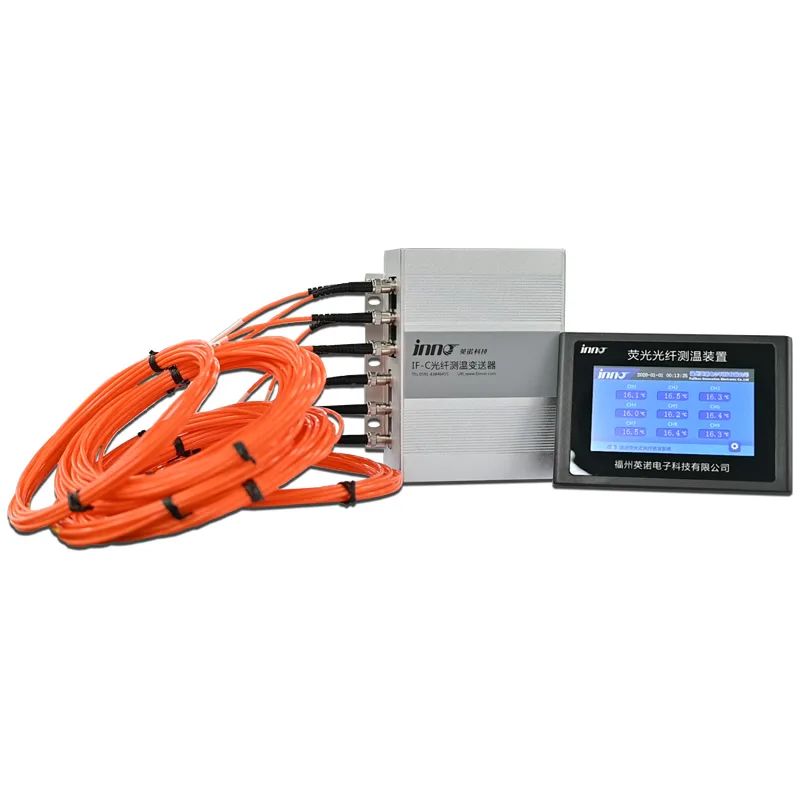
Fluorescent fiber optic temperature sensing is useful where conventional electrical sensors are limited by high voltage, electromagnetic interference or insulation requirements.
- ●Electrical Isolation — optical sensing is suited to high-voltage transformer winding locations.
- ●EMI Immunity — optical sensing is not affected by electromagnetic interference along the sensing path.
- ●Direct Hot-Spot Measurement — probes can be positioned at selected winding locations during transformer manufacture or suitable refurbishment.
- ●Multi-Point Monitoring — multiple channels can cover transformer windings, switchgear connections, busbars and cable terminals.
Products: Multi-Channel Fiber Optic Temperature Measurement System · Transformer Winding Fiber Optic Temperature Sensor
Data Center Temperature Monitoring Locations
Monitoring points should be selected according to asset criticality, transformer construction, accessibility and the facility's redundancy architecture.
Dry-Type Windings
Three-phase winding temperatures and cooling control.
Winding Hot Spots
Direct thermal measurement at selected internal points.
Switchgear Joints
Localized heating at high-current connections.
Busbar Connections
Thermal behavior at joints and connection points.
Cable Terminations
Hot-spot monitoring at critical termination points.
Oil-Filled Transformers
Winding, oil and insulation-condition monitoring.
Monitoring scope should follow criticality and failure consequence rather than applying the same sensor package to every transformer or electrical cabinet.
Selecting Monitoring Methods for Data Center Power Assets
Different technologies answer different condition questions. Data center projects often combine temperature sensing with insulation and oil-condition monitoring on the most critical transformers.
| Method | Typical Application | Primary Value |
|---|---|---|
| Pt100 / RTD Temperature Sensors | Dry-type and cast-resin transformer windings | Winding temperature, fan control, alarm and trip input |
| Fiber Optic Temperature Sensors | Internal winding hot spots, high-voltage points, switchgear and busbar hot spots | Direct temperature measurement with electrical isolation and EMI immunity |
| WTI / OTI | Oil-immersed transformer winding and top-oil temperature | Conventional local temperature indication and control outputs |
| Online DGA | Critical oil-immersed transformers | Trend dissolved gases associated with thermal and electrical abnormalities |
| Partial Discharge Monitoring | Critical dry-type or oil-immersed transformer insulation systems | Continuous indication of developing discharge activity |
Sensor and system selection depends on transformer type, voltage level, existing instrumentation, installation access and the consequence of losing the monitored asset.
Related: Transformer Temperature Monitoring · Dissolved Gas Analysis · Partial Discharge Monitoring
Map Critical Power Assets
Prioritize Redundancy Risks
Select Monitoring Parameters
Define Alarm & Control Logic
Plan BMS / EPMS / DCIM Integration
How to Plan Critical Power Monitoring for a Data Center
Start with the one-line electrical diagram and identify which transformer or electrical asset would reduce redundancy if it were unavailable. Separate indoor dry-type units from outdoor oil-filled transformers because their sensing methods and failure indicators differ.
Choose temperature, DGA, partial discharge or other parameters according to the transformer's construction and criticality. Define local fan, alarm and trip functions separately from remote monitoring so protection does not depend on the network.
Finally, confirm communication interfaces and map required values and alarms into the facility's BMS, EPMS, DCIM or SCADA platform.
From Transformer Sensors to BMS, EPMS, DCIM or SCADA
Monitoring devices can provide local alarms and control while selected operating values are transferred to the facility's existing monitoring platform.
Available communication interfaces depend on the selected monitoring device and configuration. Confirm protocol, register mapping and relay logic during project design.
Monitoring Different Data Center Power Assets
Indoor Dry-Type & Cast-Resin Transformers
Winding temperature, cooling fan status and alarm outputs are the first monitoring layer. Pt100 controllers provide conventional three-phase temperature control, while fiber optic channels can be added when direct hot-spot data is required.
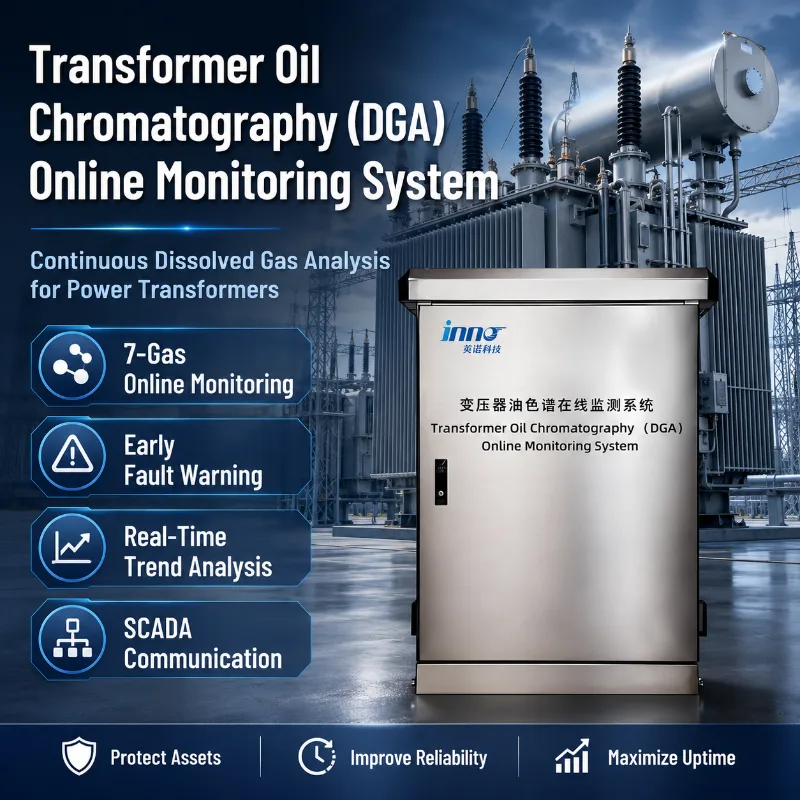
Campus Oil-Immersed Transformers
Outdoor or utility-side oil-filled transformers can combine winding and oil temperature with DGA, oil-system condition and partial discharge monitoring according to asset criticality.
Switchgear, Busbars & Cable Connections
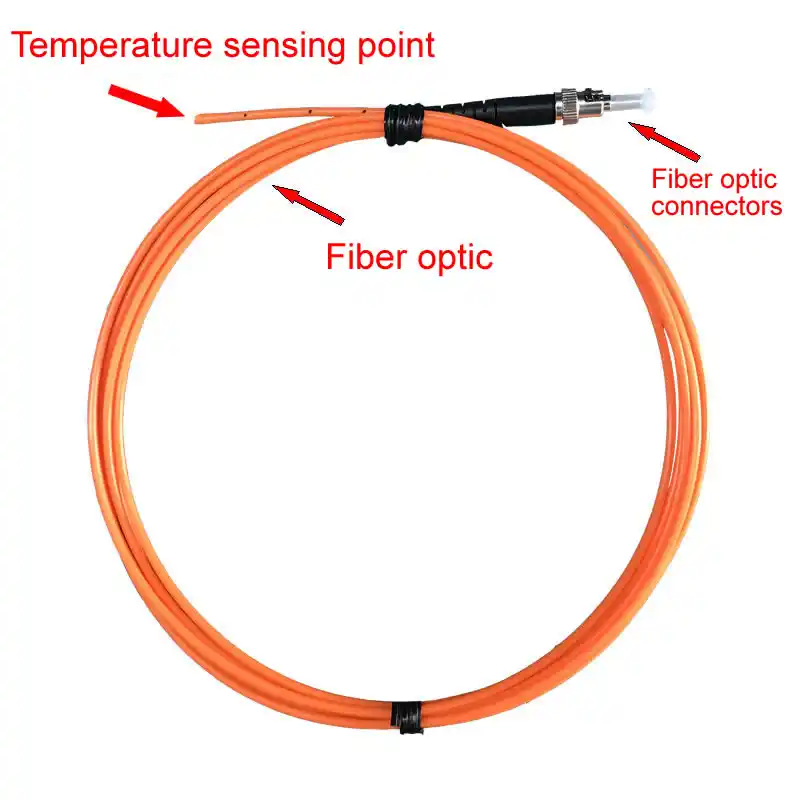
High-current joints and cable terminations can develop localized heating. Fiber optic sensing provides an electrically isolated option for selected high-voltage or high-EMI temperature monitoring points.
Additional Condition Monitoring for Critical Data Center Transformers
Higher-value transformers can add insulation and oil-condition indicators when temperature data alone is not enough for the required risk level.
New Data Center Projects vs Existing Facility Retrofits
New Data Center Project
New facilities provide the best opportunity to coordinate transformer sensor positions, control-panel interfaces and monitoring data paths during electrical design.
- ●Plan Pt100 or fiber optic winding sensors before transformer manufacture
- ●Define fan, alarm and trip contacts at the design stage
- ●Standardize communication interfaces across transformer rooms
- ●Map required values into BMS, EPMS, DCIM or SCADA before commissioning
Existing Data Center Retrofit
Existing facilities can often add or upgrade monitoring without replacing the complete transformer installation, although accessible sensing locations depend on transformer construction.
- ●Review existing Pt100, WTI, OTI and controller signals
- ●Upgrade local monitors where remote communication is needed
- ●Add external or accessible hot-spot monitoring points where practical
- ●Integrate alarms and data with existing facility monitoring systems
Why Choose INNO for Data Center Power Monitoring?
- ●Transformer Temperature Monitoring — Pt100 controllers, WTI/OTI and fiber optic temperature systems for different transformer structures.
- ●Direct Fiber Optic Hot-Spot Measurement — electrically isolated sensing for transformer windings and selected high-voltage points.
- ●Multi-Parameter Transformer Monitoring — DGA, partial discharge, bushing, OLTC and oil-system monitoring can be added according to asset criticality.
- ●Integration Support — communication interfaces and alarm outputs can be coordinated with existing monitoring architectures.
Recommended Monitoring Products for Data Centers
YN-XP502F-3T Dry-Type Transformer Intelligent Monitoring Device
Three-channel Pt100 winding temperature monitoring with fan, alarm, trip and Modbus RTU functions.
View Product →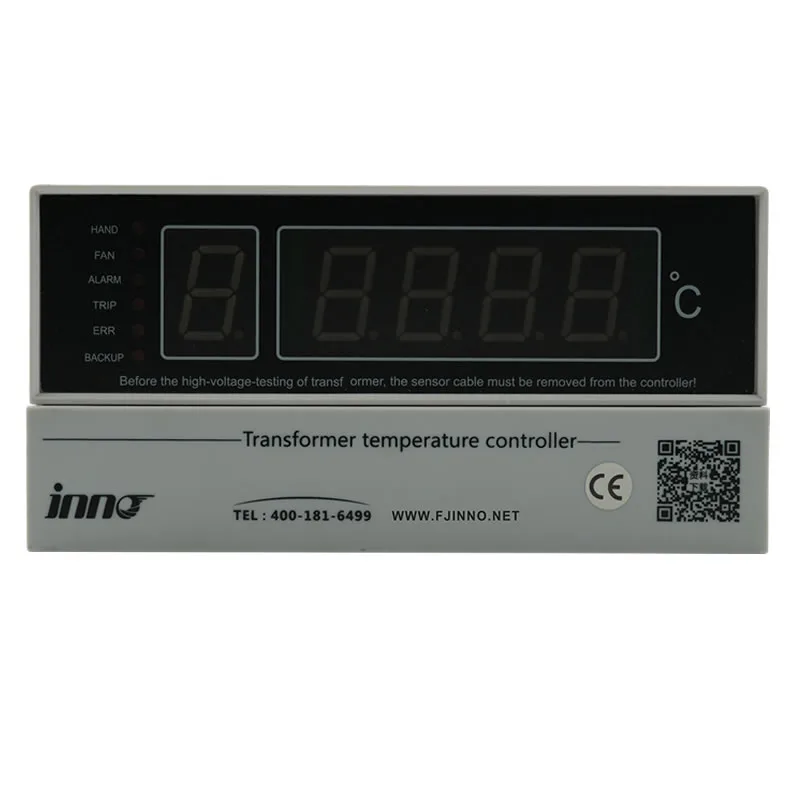
IB-S201 Dry-Type Transformer Temperature Monitor and Controller
Pt100 winding temperature monitoring, cooling fan control and alarm/trip outputs for dry-type transformers.
View Product →Multi-Channel Fiber Optic Temperature Measurement System
Multi-point optical temperature monitoring for transformer windings, switchgear, busbars and cable terminals.
View Product →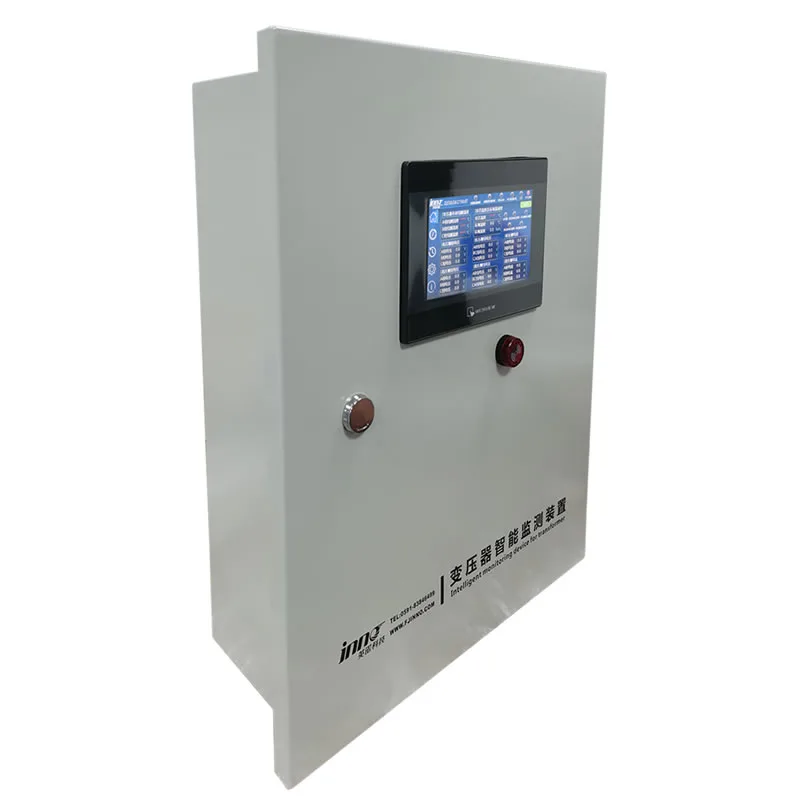
Online Health Monitoring System for Dry-Type Transformer
Integrated temperature, partial discharge, vibration and environmental condition monitoring for critical dry-type assets.
View Product →Online DGA Monitoring System for Transformer Oil
Continuous dissolved-gas trend monitoring for critical oil-immersed data center and campus transformers.
View Product →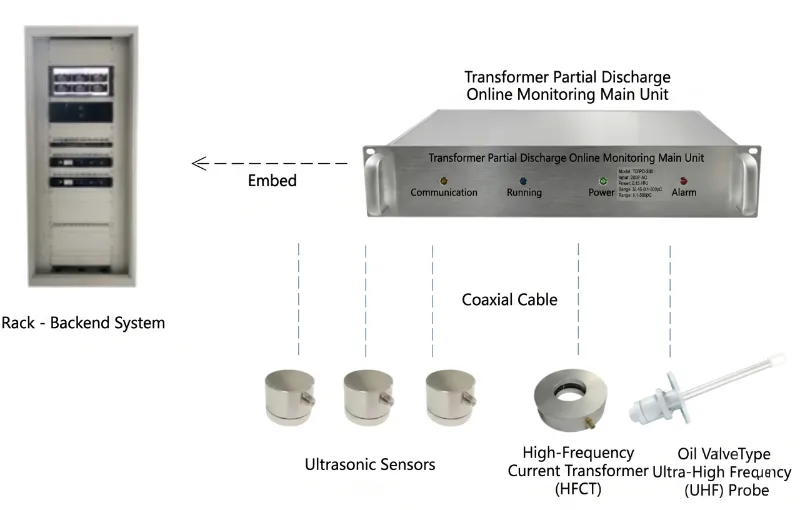
Transformer Partial Discharge Online Monitoring System
Continuous PD detection and insulation-condition monitoring for higher-criticality transformer assets.
View Product →Related Transformer Monitoring Applications
Dry-Type Transformer Temperature Monitoring
Winding temperature measurement, cooling control and alarm functions for indoor dry-type transformers.
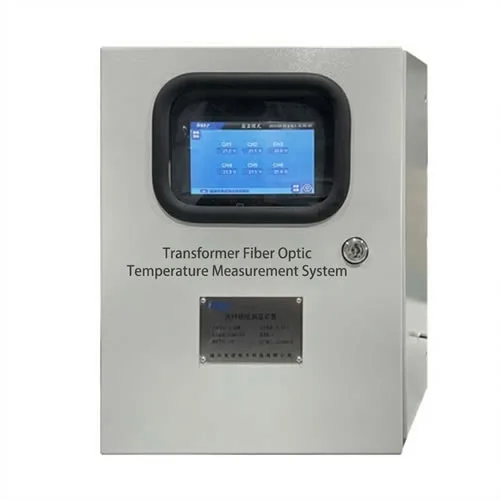
Transformer Winding Hot Spot Monitoring
Direct winding temperature measurement at selected thermal hot spots.
Oil-Immersed Transformer Monitoring
Temperature, DGA, insulation and oil-system condition monitoring for critical oil-filled units.
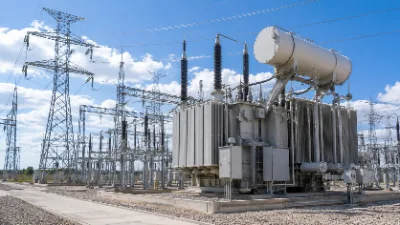
Power Transformer Monitoring
Multi-parameter condition monitoring for high-value transformer assets and campus substations.
Related Monitoring Solutions
What Information Helps Us Recommend a Data Center Monitoring Configuration?
Sharing the transformer types, critical monitoring points and facility integration requirements helps narrow the appropriate monitoring hardware and communication architecture.
- ●Data center type: single facility, campus, colocation or hyperscale
- ●Transformer type: dry-type, cast resin or oil-immersed
- ●Transformer rating and voltage level
- ●Quantity and criticality of assets to be monitored
- ●Existing Pt100, WTI, OTI or other temperature sensors
- ●Required hot-spot, DGA or partial-discharge monitoring points
- ●BMS, EPMS, DCIM, PLC or SCADA communication requirements
- ●New project or retrofit installation
Frequently Asked Questions About Data Center Power Monitoring
What power equipment should be monitored in a data center?
Priority usually starts with transformers and critical distribution equipment. Depending on the design, monitoring can include dry-type winding temperature, oil-filled transformer condition, switchgear or busbar hot spots, cable terminations and selected insulation-condition indicators.
Which temperature sensors are suitable for data center transformers?
Pt100 sensors are widely used in dry-type transformer windings, while fluorescent fiber optic sensors are suitable where direct hot-spot measurement, high-voltage electrical isolation or strong EMI immunity is required.
Can transformer monitoring data connect to BMS, EPMS or DCIM?
Yes. Depending on the selected monitoring device, data and alarms can be integrated with BMS, EPMS, DCIM or SCADA through supported communication interfaces or relay outputs. Protocol availability should be confirmed for the selected model during project design.
Can an existing data center retrofit transformer monitoring?
In many cases yes. Existing temperature controllers and sensor signals can often be integrated or upgraded, while additional monitoring points depend on transformer construction, accessible installation locations and the required monitoring method.
Monitor Critical Power Equipment Across Your Data Center
Share your transformer types, monitoring points and BMS, EPMS, DCIM or SCADA requirements, and we can help outline a suitable monitoring configuration.