
Transformer Insulation Monitoring
Monitor developing insulation abnormalities in transformers by combining partial discharge, dissolved gas, bushing condition and relevant thermal information.
Build an insulation monitoring strategy around the transformer type, insulation structure, asset criticality and the failure mechanisms that need to be observed.
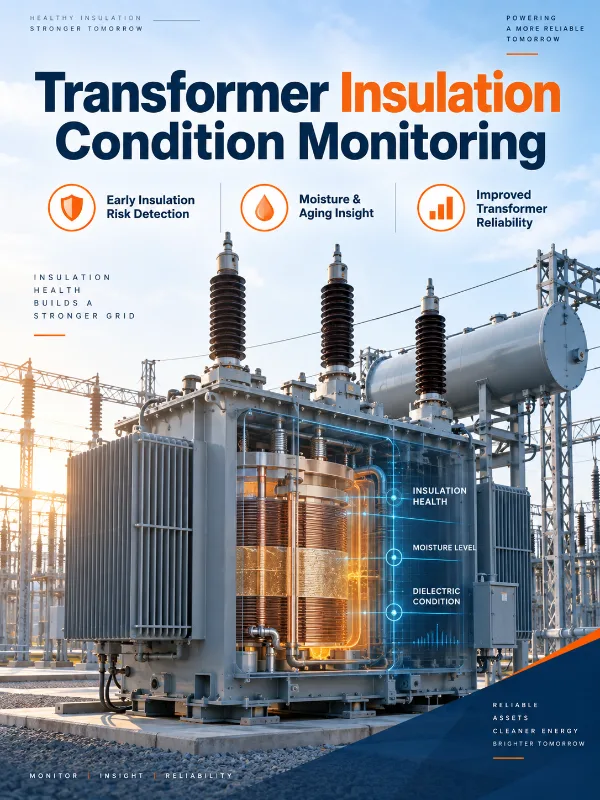
Why Transformer Insulation Condition Matters
Transformer insulation is exposed to a combination of stresses throughout its service life:
- ●Electrical stress
- ●Thermal stress
- ●Mechanical stress
- ●Moisture
- ●Aging
- ●Contamination
- ●Discharge activity
- ●Abnormal operating conditions
Insulation deterioration may develop gradually before a major transformer failure becomes externally visible.
No single measurement can fully describe transformer insulation health. Assessment needs to consider partial discharge activity, dissolved fault gases, bushing condition, thermal condition and operating history together — see the full picture in Transformer Monitoring.
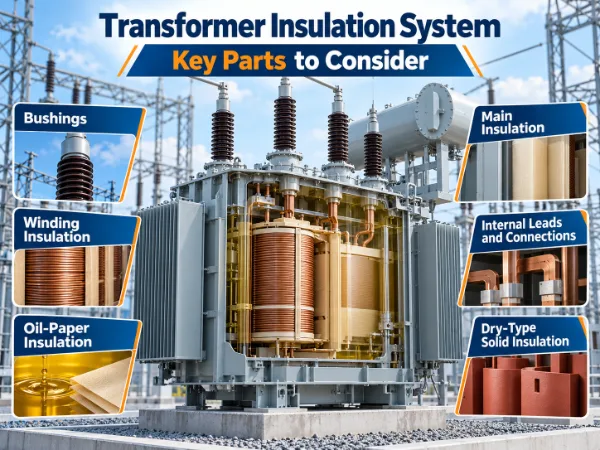
What Parts of the Transformer Insulation System Should Be Considered?
- ●Winding Insulation — insulation between winding conductors, turns and winding sections.
- ●Main Insulation — insulation between windings, core, tank and other high-voltage structures.
- ●Internal Leads and Connections — high-voltage internal connections and transition regions.
- ●Bushings — the insulation interface between the transformer and the external power system.
- ●Oil-Paper Insulation — relevant to oil-immersed transformers, where insulating oil and cellulose insulation work together.
- ●Dry-Type Solid Insulation — relevant to dry-type transformers, where solid insulation and thermal condition are especially important.
The insulation structure and relevant monitoring methods differ between transformer designs — see Oil-Immersed Transformer Monitoring and Dry-Type Transformer Temperature Monitoring.
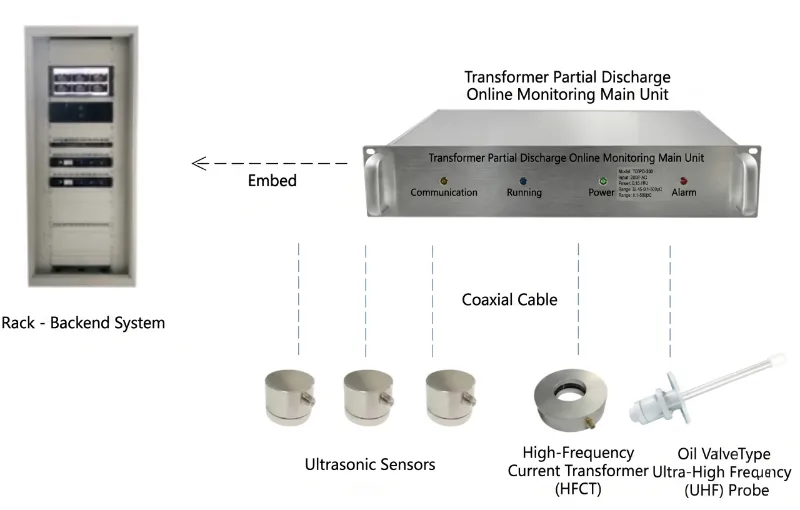
Partial Discharge as an Early Insulation Warning Signal
Partial discharge activity can be associated with localized insulation defects or electrical stress within high-voltage insulation structures.
- ●Detect developing discharge activity
- ●Observe changes over time
- ●Compare abnormal trends
- ●Support insulation condition assessment
- ●Help prioritize further inspection
Partial discharge monitoring provides important evidence, but PD data should be interpreted together with transformer design, operating conditions and other condition information.
Dissolved Gas Analysis for Internal Insulation Assessment
For oil-immersed transformers, changes in dissolved gases can provide chemical evidence of developing thermal or electrical abnormalities.
- ●Electrical discharge
- ●Internal overheating
- ●Insulation decomposition
- ●Fault development trends
DGA and partial discharge monitoring observe different aspects of transformer condition and can provide complementary evidence.
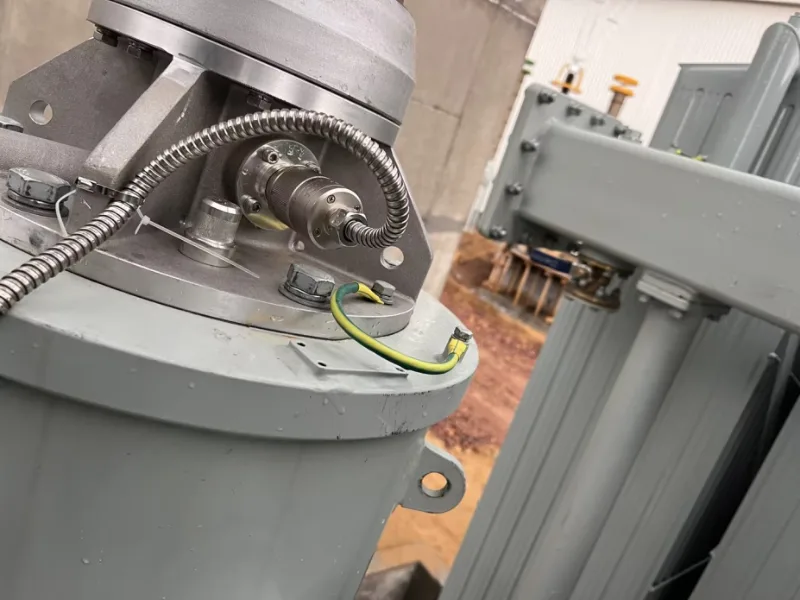
Bushing Insulation Condition Monitoring
Transformer bushings are critical high-voltage insulation components connecting the transformer internal electrical system to the external network.
- ●Insulation deterioration
- ●Abnormal dielectric behavior
- ●Capacitance-related changes
- ●Leakage current abnormalities
- ●Developing bushing condition changes
Bushing condition should be considered separately from internal winding insulation, because a transformer may develop a bushing problem even when other transformer indicators appear normal.
How Thermal Stress Affects Transformer Insulation
Thermal stress can accelerate insulation aging and should therefore be considered as part of a broader insulation condition assessment.
- ●Persistent winding overheating
- ●Local hot spots
- ●Cooling degradation
- ●High loading
- ●Repeated thermal cycling
See Transformer Winding Hot Spot Monitoring and Transformer Temperature Monitoring for the direct-measurement side of thermal condition.
Why Insulation Monitoring Should Combine Multiple Signals
| Condition Evidence | What It Can Help Reveal | Relevant Monitoring |
|---|---|---|
| Partial Discharge Activity | Possible localized electrical insulation defects | Partial Discharge Monitoring |
| Abnormal Dissolved Gas Trend | Possible developing thermal or electrical fault in oil-filled transformers | DGA |
| Bushing Condition Change | Possible deterioration of bushing insulation | Bushing Monitoring |
| Persistent Winding Hot Spot | Thermal stress that may accelerate insulation aging | Winding Temperature Monitoring |
| Repeated Abnormal Temperature Trend | Possible cooling or thermal stress condition requiring further assessment | Temperature Monitoring |
The value of transformer insulation monitoring comes from correlating relevant evidence rather than relying on a single measurement.
PD, DGA and Bushing Monitoring — What Is the Difference?
Partial Discharge Monitoring
Electrical discharge activity inside or around insulation structures.
DGA
Chemical evidence of developing thermal and electrical abnormalities in transformer oil.
Bushing Monitoring
Condition of critical high-voltage bushing insulation.
These monitoring methods are complementary because they observe different parts or manifestations of transformer insulation condition.
Online Monitoring and Periodic Insulation Testing
Periodic Testing
- ●Detailed scheduled inspection
- ●Offline diagnostic testing
- ●Maintenance verification
- ●Laboratory / field testing
Online Monitoring
- ●Continuous trend visibility
- ●Detection of changing conditions between inspections
- ●Remote supervision
- ●Earlier identification of developing abnormalities
Online monitoring does not replace all periodic transformer testing. It adds continuous condition information between scheduled inspections.
Insulation Monitoring Across Transformer Applications
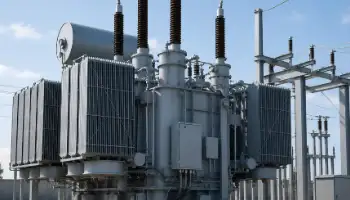
Power Transformers
Comprehensive insulation condition assessment for critical high-value transformers.
Power Transformer Monitoring →
Oil-Immersed Transformers
Combine PD, DGA, bushing and thermal information for oil-filled transformer condition assessment.
Oil-Immersed Transformer Monitoring →
Substation Transformers
Continuous monitoring of critical transformer insulation within substations.
Substation Transformer Monitoring →
Transformer Winding Hot Spot Monitoring
Monitor thermal stress that may contribute to insulation aging.
Winding Hot Spot Monitoring →Planning Insulation Monitoring for New and Existing Transformers
New Transformer Projects
- ●PD monitoring provisions
- ●Embedded temperature sensing
- ●Bushing monitoring
- ●DGA for oil-filled transformers
- ●Monitoring architecture
- ●SCADA integration
Monitoring points and interfaces can be considered during transformer design and commissioning.
Existing Transformer Retrofit
- ●Online PD monitoring
- ●DGA retrofit
- ●Bushing monitoring
- ●Existing sensor integration
- ●Temperature monitoring integration
- ●Remote data acquisition
The available monitoring configuration depends on transformer construction, existing instrumentation and accessible installation points.
From Insulation Condition Signals to Monitoring Data
See Transformer Monitoring for the full monitoring picture across an asset.
Recommended Products for Transformer Insulation Monitoring
Three core products relevant to insulation condition monitoring — no unrelated products added to fill space.
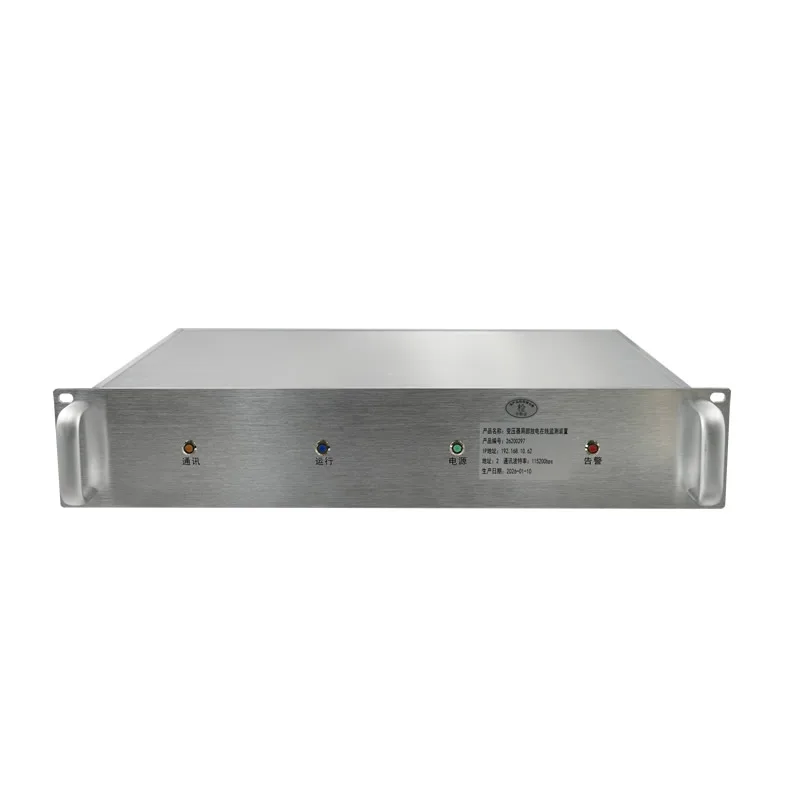
Transformer Partial Discharge Online Monitoring System
For continuous monitoring of partial discharge activity associated with developing transformer insulation abnormalities.
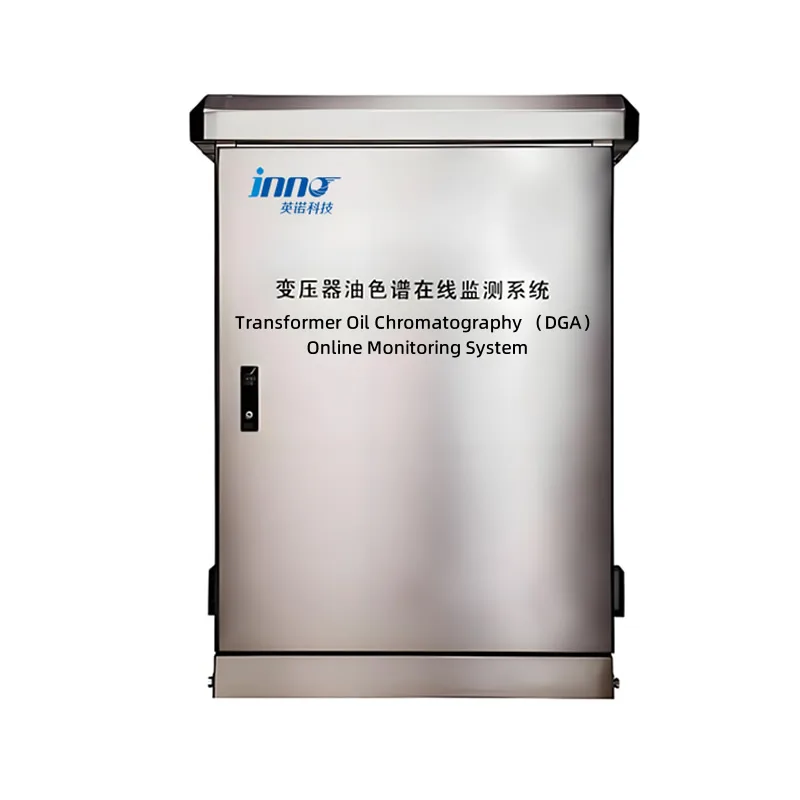
Online Dissolved Gas Analysis (DGA) Monitoring System
For monitoring dissolved gas trends that can provide evidence of developing thermal and electrical faults in oil-filled transformers.
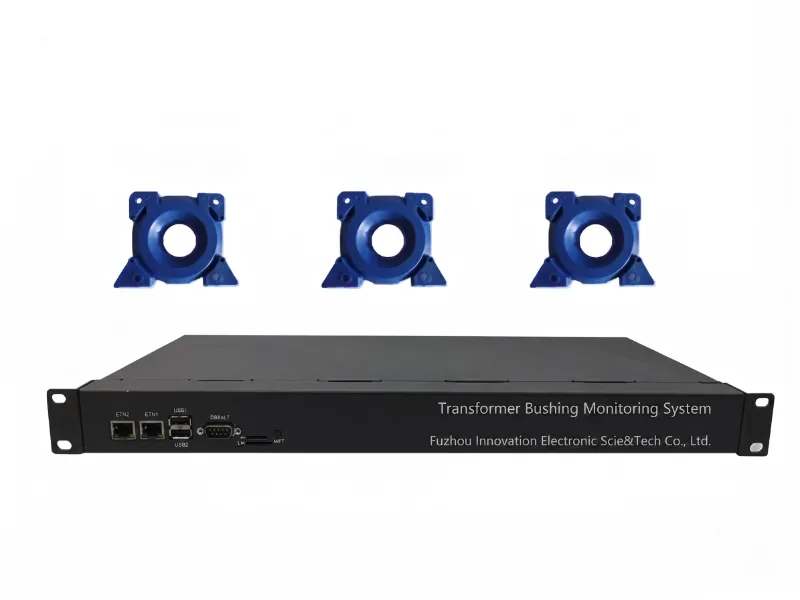
Transformer Bushing Monitoring System
For monitoring condition changes in critical transformer high-voltage bushings.
Related Transformer Monitoring Solutions
Partial Discharge Monitoring
Electrical evidence of developing localized insulation defects.
Dissolved Gas Analysis
Chemical evidence of developing thermal and electrical abnormalities.
Bushing Monitoring
Condition of critical high-voltage bushing insulation.
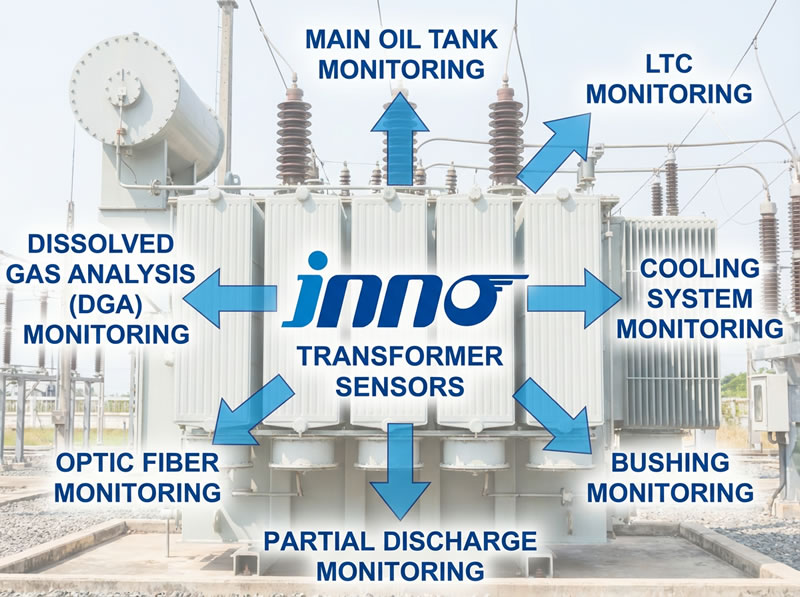
Transformer Monitoring
The full picture — temperature, DGA, PD, bushing and more, together.
What Information Helps Us Recommend an Insulation Monitoring Configuration?
Transformer Information
- ●Transformer type
- ●Rated power
- ●Voltage level
- ●Age / operating history
Existing Condition Information
- ●Previous PD results
- ●DGA history
- ●Bushing test information
- ●Temperature abnormalities
- ●Known insulation concerns
Monitoring Requirement
- ●New project or retrofit
- ●Required monitoring functions
- ●Existing sensors
- ●Existing monitoring equipment
- ●Remote monitoring requirement
Available test reports, transformer drawings or existing monitoring information can help evaluate suitable monitoring options.
When Should Online Insulation Monitoring Be Considered?
Frequently Asked Questions
What does transformer insulation monitoring include?
It typically combines partial discharge, dissolved gas, bushing condition and relevant thermal information, selected according to transformer type and project requirements.
What are the main causes of transformer insulation deterioration?
Electrical stress, thermal stress, mechanical stress, moisture, aging, contamination and abnormal operating conditions can all contribute over time.
Can partial discharge monitoring detect insulation problems?
PD monitoring can help identify developing discharge activity and support insulation condition assessment, but it should be interpreted together with other condition information rather than used as a standalone diagnosis.
What is the difference between partial discharge monitoring and DGA?
PD monitoring observes electrical discharge activity directly in the insulation system, while DGA tracks fault-related gases dissolved in the transformer oil — different evidence, often used together.
Why should transformer bushings be monitored separately?
A transformer may develop a bushing problem even when other transformer indicators appear normal, so bushing condition needs its own dedicated monitoring.
How does winding temperature affect transformer insulation life?
Persistent overheating and thermal cycling can accelerate insulation aging, which is why thermal stress is considered as part of a broader insulation condition assessment.
Can PD, DGA and bushing monitoring be used together?
Yes — combining these signals is generally more informative than relying on any single measurement, since each observes a different aspect of insulation condition.
Can existing transformers be upgraded with online insulation monitoring?
In many cases yes, though the available configuration depends on transformer construction, existing instrumentation and accessible installation points.
Does online insulation monitoring replace periodic transformer testing?
No — online monitoring adds continuous condition information between scheduled inspections, rather than replacing periodic testing.
Build an Insulation Monitoring Strategy Around the Actual Transformer Risk
Transformer insulation condition cannot be represented by a single measurement. Send us your transformer type, operating history, existing monitoring equipment and known insulation concerns to evaluate which condition signals should be monitored.