
Power Grid Transformer Monitoring for Utilities
Utility transformer monitoring for transmission and distribution networks, providing transformer condition monitoring and grid asset monitoring that helps identify developing abnormalities and support condition-based maintenance.
Monitor thermal condition, insulation, transformer oil, bushings, OLTC and other critical operating parameters according to asset importance and grid operating requirements.
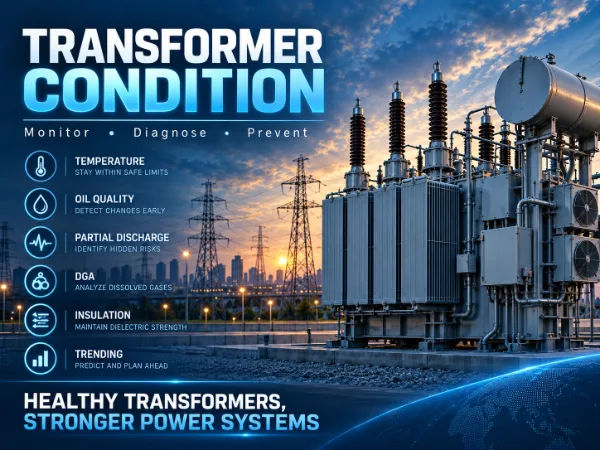
Why Transformer Condition Visibility Matters for Utilities
Power grid transformer monitoring gives utilities continuous visibility into asset condition instead of relying only on periodic inspection snapshots.
- ●Aging transformer fleets
- ●High-value power transformers
- ●Load variation
- ●Thermal stress
- ●Insulation aging
- ●Remote substations
- ●Limited inspection intervals
- ●Growing reliability requirements
Periodic inspections provide snapshots, while online monitoring adds continuous trend information between maintenance activities — see Power Transformer Monitoring and Substation Transformer Monitoring.
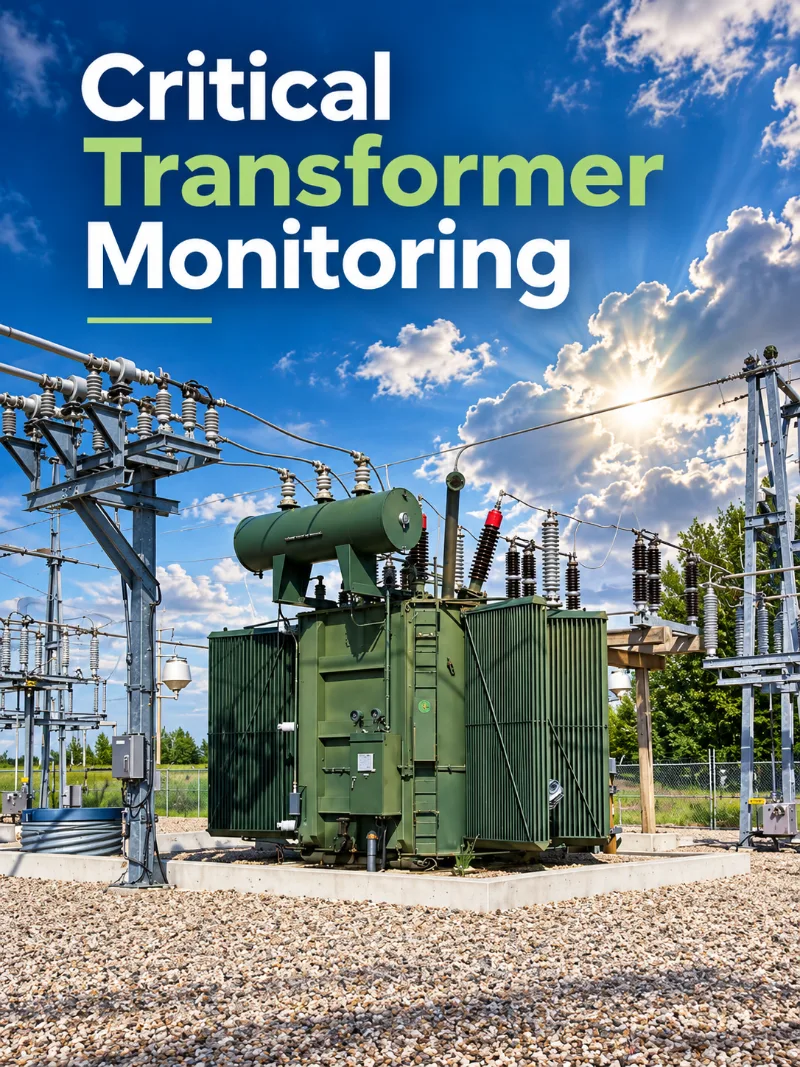
What Should Utilities Monitor on Critical Transformers?
- ●Thermal Condition — winding hot spot temperature, top-oil temperature, cooling response.
- ●Insulation Condition — partial discharge, insulation abnormalities.
- ●Transformer Oil — DGA, oil temperature, oil level, pressure.
- ●Critical Components — bushing, OLTC.
The correct monitoring configuration depends on transformer criticality, voltage level, operating history, loading condition and existing instrumentation.
Transformer Risks and Relevant Monitoring Methods
Grid asset condition monitoring works best when individual risk signals are reviewed together rather than in isolation.
| Utility Asset Concern | Useful Condition Information | Relevant Monitoring |
|---|---|---|
| Winding overheating | May indicate abnormal direct / indirect thermal condition | Temperature Monitoring |
| Developing internal fault | Can help identify an abnormal dissolved gas trend | DGA |
| Insulation deterioration | Supports assessment via discharge activity | PD Monitoring |
| Bushing deterioration | Supports assessment of bushing electrical condition | Bushing Monitoring |
| OLTC abnormality | May indicate an abnormal switching / operating trend | OLTC Monitoring |
| Oil loss or abnormal level | Supports assessment of oil-system condition | Oil Level Monitoring |
| Abnormal pressure | Supports assessment of tank / oil-system condition | Pressure Monitoring |
| Cooling degradation | May indicate an abnormal thermal response | Temperature + Cooling Monitoring |
Individual signals support condition assessment; they should be interpreted together rather than as a standalone diagnosis.
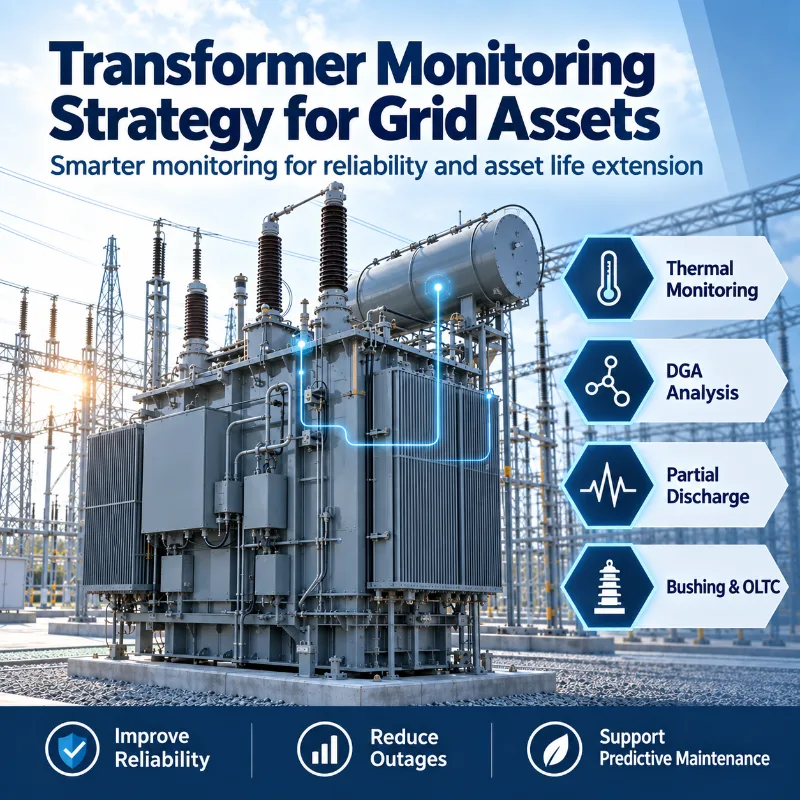
How to Select a Transformer Monitoring Strategy for Grid Assets
Identify Critical Assets
Rank transformers by importance, voltage level, load and network consequence.
Identify Main Operating Risks
Determine whether overheating, insulation deterioration, internal faults, bushing or OLTC condition is the priority concern.
Review Existing Sensors and Monitoring Devices
Confirm what's already installed — WTI/OTI, DGA, PD, bushing, OLTC and existing data acquisition.
Select the Required Monitoring Functions
Add the monitoring functions needed based on the identified risk and existing equipment.
Utilities do not need the same monitoring package on every transformer. Monitoring depth should reflect asset criticality, operating history and maintenance objectives across the transformer fleet.
Key Transformer Monitoring Applications for Utilities
Power Transformer Monitoring
Comprehensive condition monitoring for critical high-value transformers.
Power Transformer Monitoring →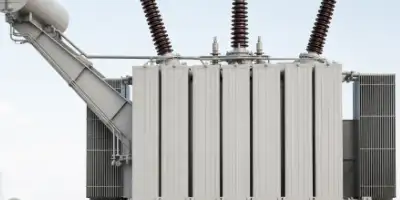
Oil-Immersed Transformer Monitoring
PD, DGA, bushing and thermal information for oil-filled transformer assessment.
Oil-Immersed Transformer Monitoring →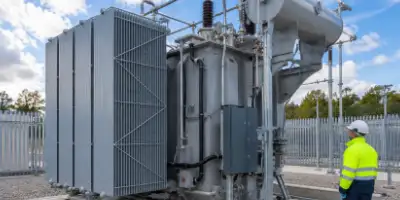
Transformer Insulation Monitoring
Combine PD, DGA, bushing and thermal evidence for insulation condition assessment.
Transformer Insulation Monitoring →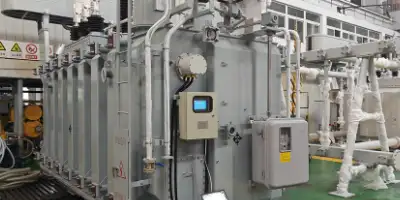
Substation Transformer Monitoring
Centralized substation transformer monitoring across thermal, insulation, oil-system and critical component conditions.
Substation Transformer Monitoring →Transformer Internal Condition Monitoring
Thermal, chemical and electrical evidence together support a fuller picture of internal transformer condition.
Winding & Thermal Condition
- ●Hot spot temperature
- ●Load-related temperature rise
- ●Cooling response
Winding Hot Spot Monitoring →
Temperature Monitoring
Fiber Optic Temperature Monitoring
Dissolved Gas Analysis
- ●Internal thermal abnormalities
- ●Electrical fault evidence
- ●Long-term gas trends
Partial Discharge Monitoring
- ●Insulation discharge activity
- ●Developing insulation abnormalities
- ●Condition trends
Critical Transformer Component Monitoring
Bushing Monitoring
Monitor changes in critical high-voltage bushing insulation condition.
OLTC Monitoring
Track operating behavior and condition changes in the on-load tap changer.
Oil Temperature, Level & Pressure
Monitor transformer oil-system thermal condition, oil-volume changes and pressure abnormalities.
From Transformer Sensors to Utility Control Systems
Online transformer monitoring brings field-level condition data into a centralized view for utility and substation control systems.
Existing sensors and monitoring devices can be considered when developing the final monitoring architecture.
Transformer Condition Monitoring for Transmission & Distribution Utilities
Transmission Transformers
- ●Critical high-value assets
- ●Power transformers
- ●Winding hot spots
- ●DGA
- ●Partial discharge
- ●Bushing
- ●OLTC
Transmission transformer monitoring typically covers the broadest set of condition parameters given the consequence of failure.
Distribution Transformers
- ●Thermal condition
- ●Oil-system condition
- ●Remote monitoring
- ●Asset quantity
- ●Cost-effective monitoring depth
Distribution transformer monitoring is generally scaled to cover larger asset counts at a lower monitoring depth per unit.
Monitoring depth should reflect asset criticality and the consequence of failure.
Why Utilities Choose INNO for Transformer Monitoring
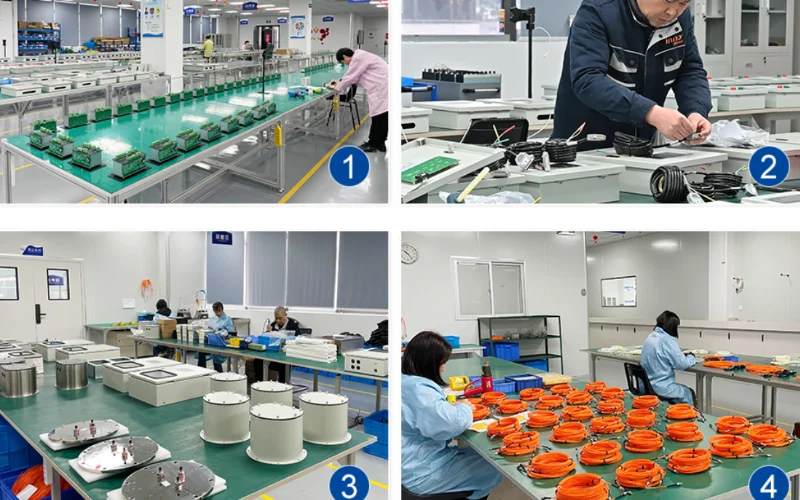
- ●One Supplier for Multiple Monitoring Functions — temperature, DGA, partial discharge, bushing, OLTC and oil-system monitoring options.
- ●Direct Winding Hot Spot Monitoring Expertise — fiber optic temperature sensing for critical transformer winding applications.
- ●Support for New Projects and Retrofit — monitoring configurations for new transformer projects and existing asset upgrades.
- ●Flexible System Integration — monitoring functions can be selected around existing sensors and project integration requirements.
New Grid Project or Existing Transformer Retrofit?
New Projects
- ●Plan sensing points
- ●Select monitoring functions
- ●Prepare integration
- ●Consider remote operation needs
Retrofit Projects
- ●Review existing sensors
- ●Reuse suitable instrumentation
- ●Add missing condition monitoring
- ●Upgrade data acquisition
- ●Integrate where feasible
Recommended Transformer Monitoring Products for Utilities
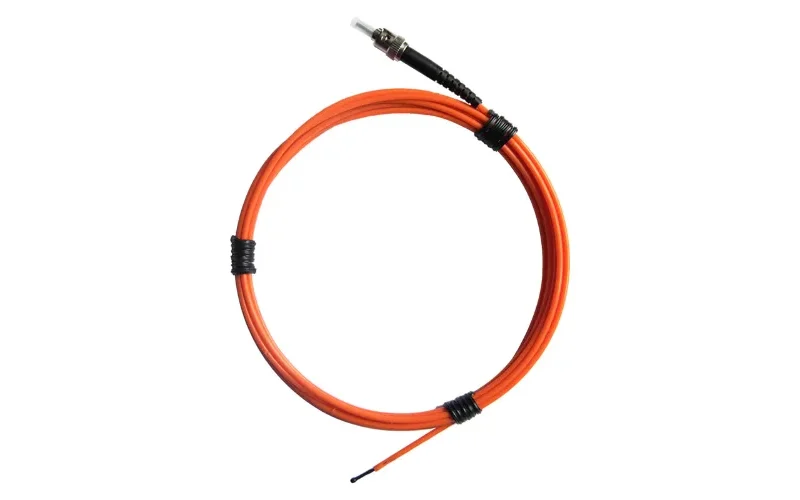
Fiber Optic Temperature Measurement System for Oil-Immersed Transformer
For direct fiber optic measurement of winding hot spot temperature.
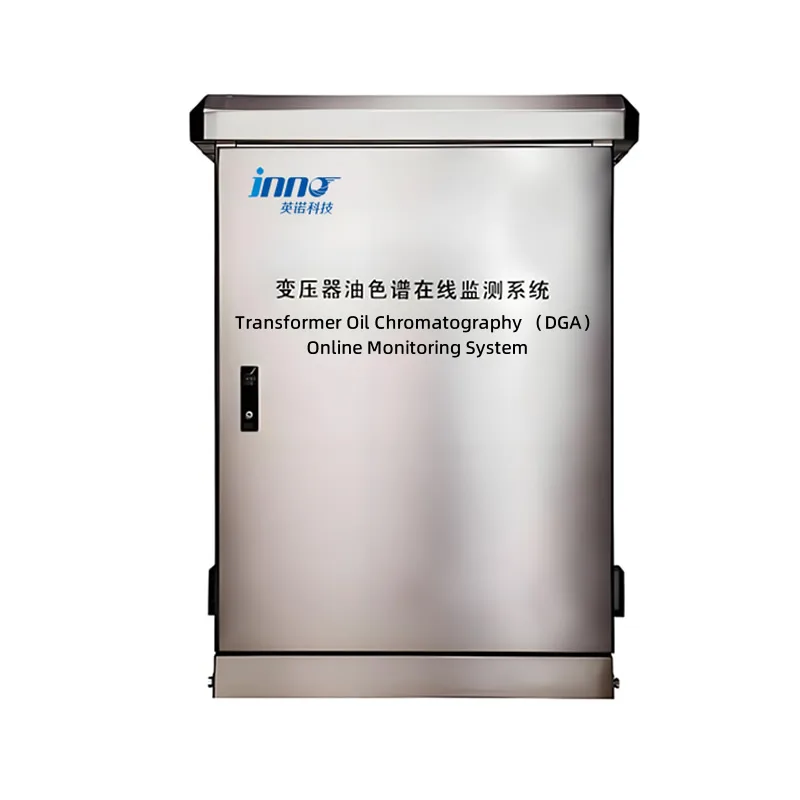
Online Dissolved Gas Analysis (DGA) Monitoring System
For monitoring dissolved gas trends in oil-filled transformers.
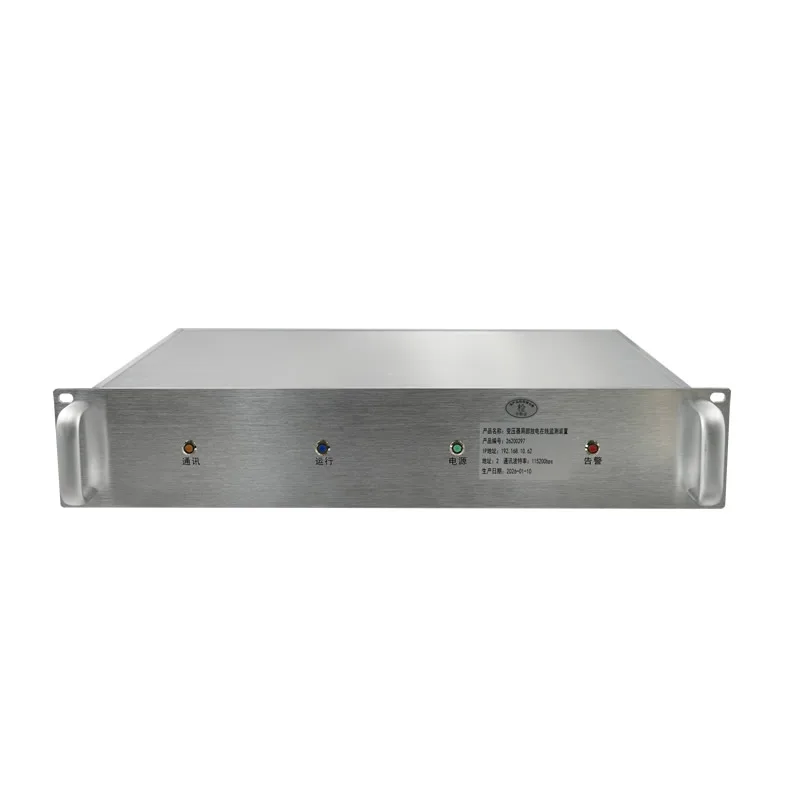
Transformer Partial Discharge Online Monitoring System
For continuous monitoring of partial discharge activity.
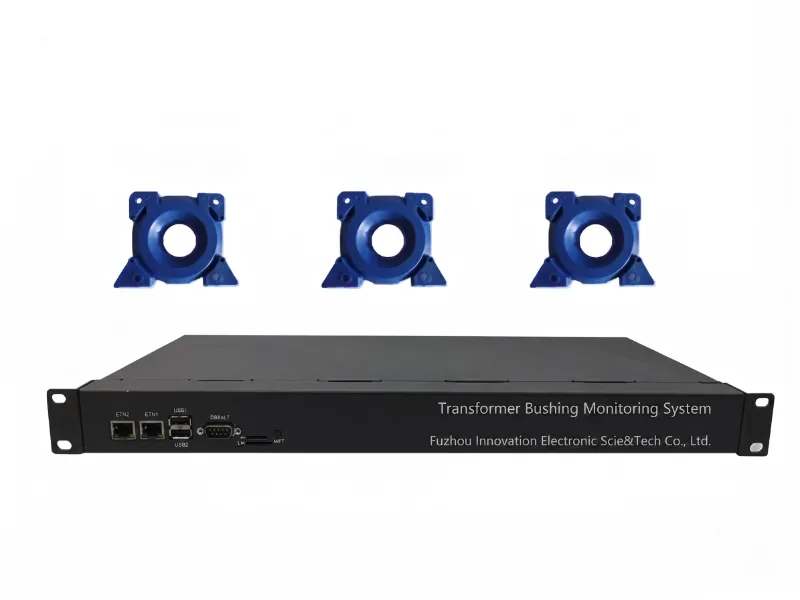
Transformer Bushing Monitoring System
For monitoring condition changes in critical high-voltage bushings.
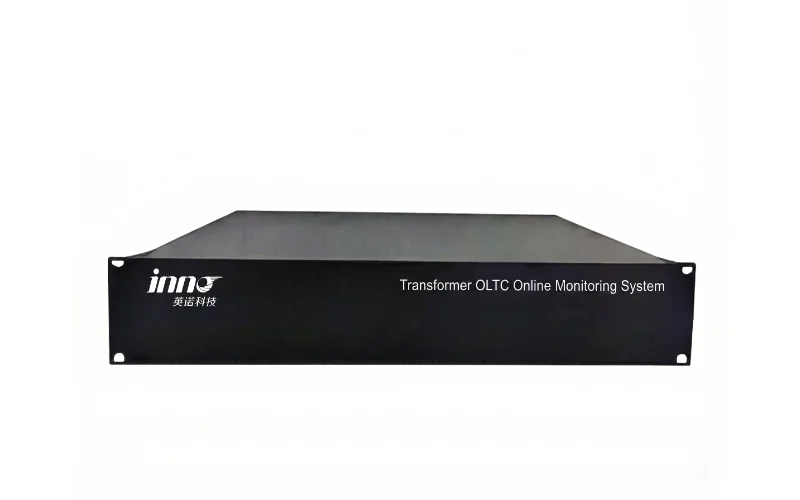
Transformer OLTC Online Monitoring System
For monitoring on-load tap changer operating condition.
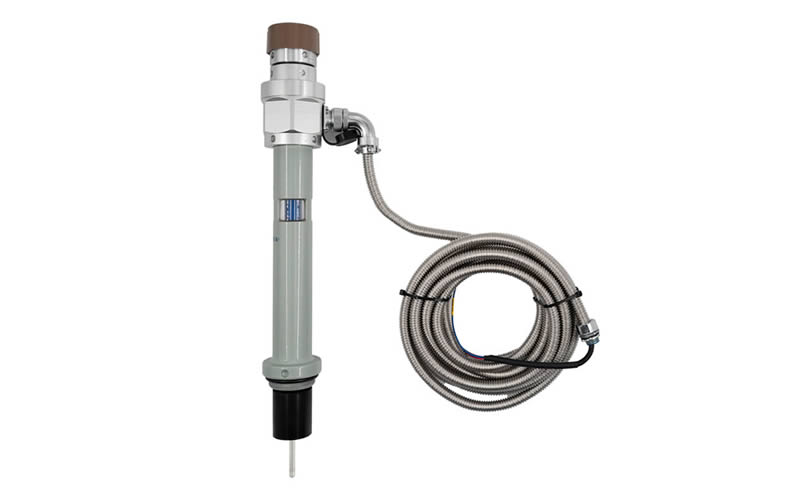
Transformer Oil Temperature, Level & Pressure Monitoring System
For monitoring oil-system and cooling-related conditions.
Related Monitoring Solutions
Transformer Monitoring
View Solution →Transformer Temperature Monitoring
View Solution →Fiber Optic Temperature Monitoring
View Solution →Dissolved Gas Analysis
View Solution →Partial Discharge Monitoring
View Solution →What Information Helps Us Recommend a Utility Monitoring Configuration?
Asset Information
- ●Transformer type
- ●Rated power
- ●Voltage level
- ●Transformer quantity
Existing Monitoring
- ●Existing sensors
- ●WTI / OTI
- ●DGA / PD
- ●Existing SCADA
- ●Existing monitoring devices
Project Requirements
- ●Required monitoring parameters
- ●Alarm requirements
- ●Remote monitoring
- ●New project / retrofit
Frequently Asked Questions
What does power grid transformer monitoring cover?
It typically covers thermal condition, dissolved gases, partial discharge, bushing condition, OLTC condition and oil-system status, selected according to asset criticality.
Does every transformer require the same monitoring configuration?
No — the appropriate configuration depends on transformer criticality, voltage level, operating history and existing instrumentation.
Which transformers should receive more comprehensive online transformer monitoring?
Higher-value or higher-consequence transformers — such as critical transmission transformer monitoring targets — generally benefit from broader parameter coverage than lower-risk distribution assets.
Can DGA and partial discharge monitoring be used together?
Yes — they provide complementary chemical and electrical evidence and are often used together on critical oil-filled transformers.
Why monitor transformer bushings and OLTC?
Both are critical components that can develop problems independently of the main winding insulation, so they benefit from dedicated monitoring.
Can existing transformer sensors be reused?
In many cases yes, depending on sensor type, condition and compatibility with the monitoring system.
Can existing transformers be retrofitted with online monitoring?
In many cases yes, though the available configuration depends on transformer construction, existing instrumentation and accessible installation points — this applies to both transmission transformer monitoring and distribution transformer monitoring projects.
Can transformer monitoring data be connected to utility or substation systems?
Monitoring data can generally be made available to a utility or substation control system as part of the overall monitoring architecture; specific integration details depend on the project.
Build the Right Power Grid Transformer Monitoring Strategy for Your Fleet
Tell us your transformer types, voltage levels, existing instrumentation and monitoring priorities. We can help evaluate suitable monitoring functions for critical grid assets, from transformer fleet monitoring across a substation to individual transmission and distribution units.