
Renewable Energy Transformer Monitoring
Condition monitoring for wind, solar and energy storage transformer applications, combining thermal, insulation and transformer condition data for remote and variable-load operating environments.
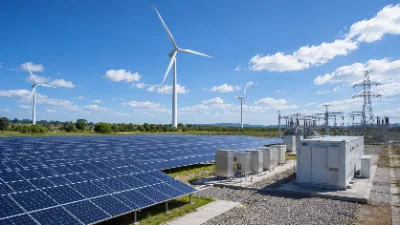
Monitor main step-up transformers and other critical transformer assets across renewable energy sites where loading, thermal conditions and maintenance access can change significantly over time.
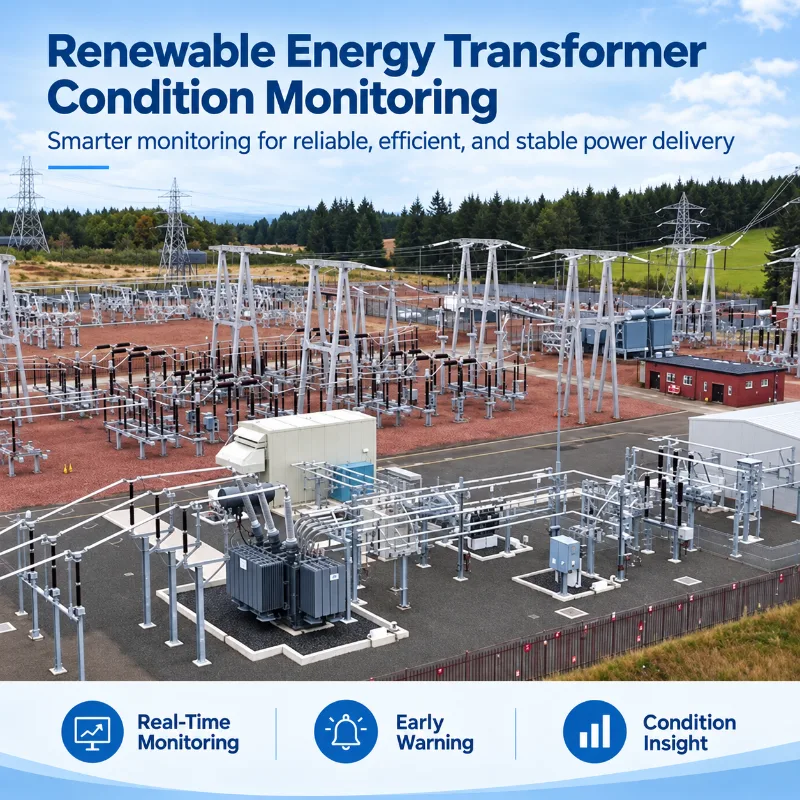
Why Transformer Condition Visibility Matters in Renewable Energy
Renewable energy transformers may experience frequent changes in loading and thermal conditions as wind, solar or storage output changes.
- ●Variable generation output
- ●Repeated load changes
- ●Thermal cycling
- ●Remote locations
- ●Unattended substations
- ●Limited routine inspection
- ●Seasonal operating changes
- ●High-value step-up transformers
Online monitoring helps operators review transformer condition trends between site visits and identify developing abnormalities that may require maintenance attention.
Related: Power Transformer Monitoring · Substation Transformer Monitoring
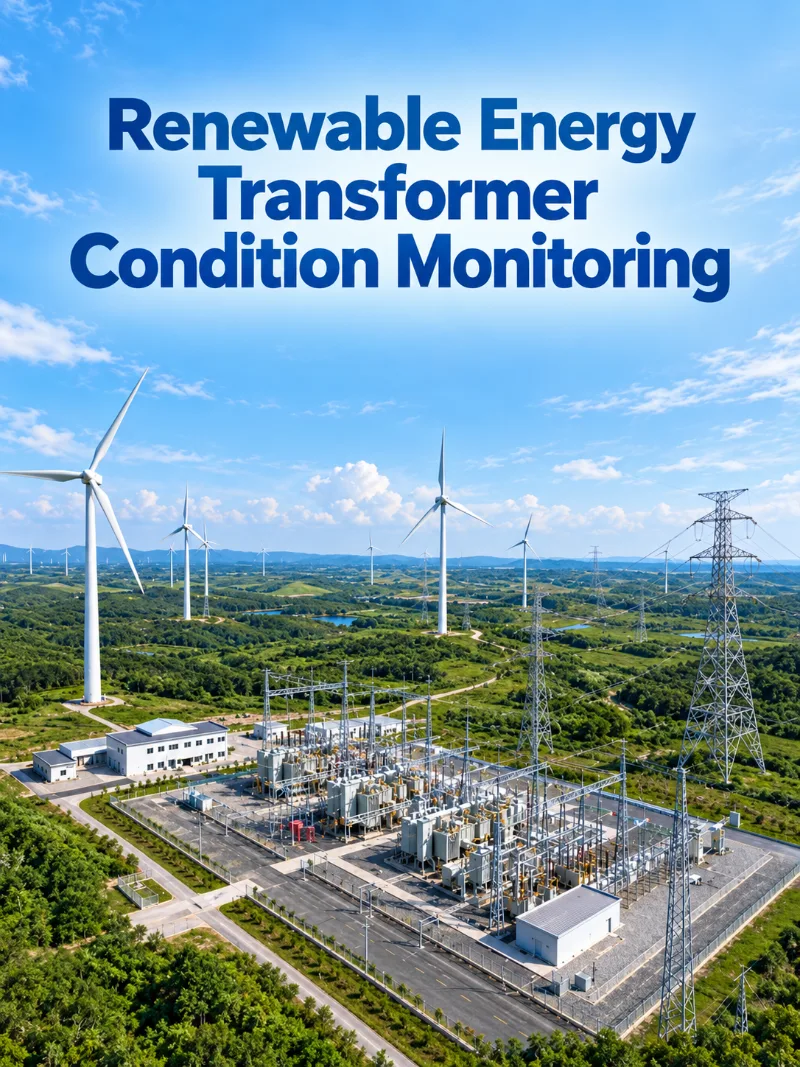
What Should Be Monitored on Renewable Energy Transformers?
- ●Thermal Condition — winding hot spot temperature, top-oil temperature, load-related temperature changes, cooling response.
- ●Internal Condition — dissolved gas trends, partial discharge activity, insulation condition.
- ●Critical Components — bushing condition, OLTC condition where applicable.
- ●Oil & Auxiliary Condition — oil temperature, oil level, pressure, cooling equipment status where required.
Monitoring functions should reflect transformer type, site configuration, loading profile, asset criticality and existing instrumentation.
Monitor Transformer Thermal Response Under Variable Renewable Output
- ●Rapid or repeated load changes
- ●Daily solar generation cycles
- ●Changing wind generation output
- ●Repeated heating and cooling cycles
- ●Persistent hot spot differences
- ●Cooling-system response
Temperature trends become more useful when transformer thermal behavior is evaluated together with actual operating load and changing renewable generation conditions.
Related: Transformer Winding Hot Spot Monitoring · Transformer Temperature Monitoring
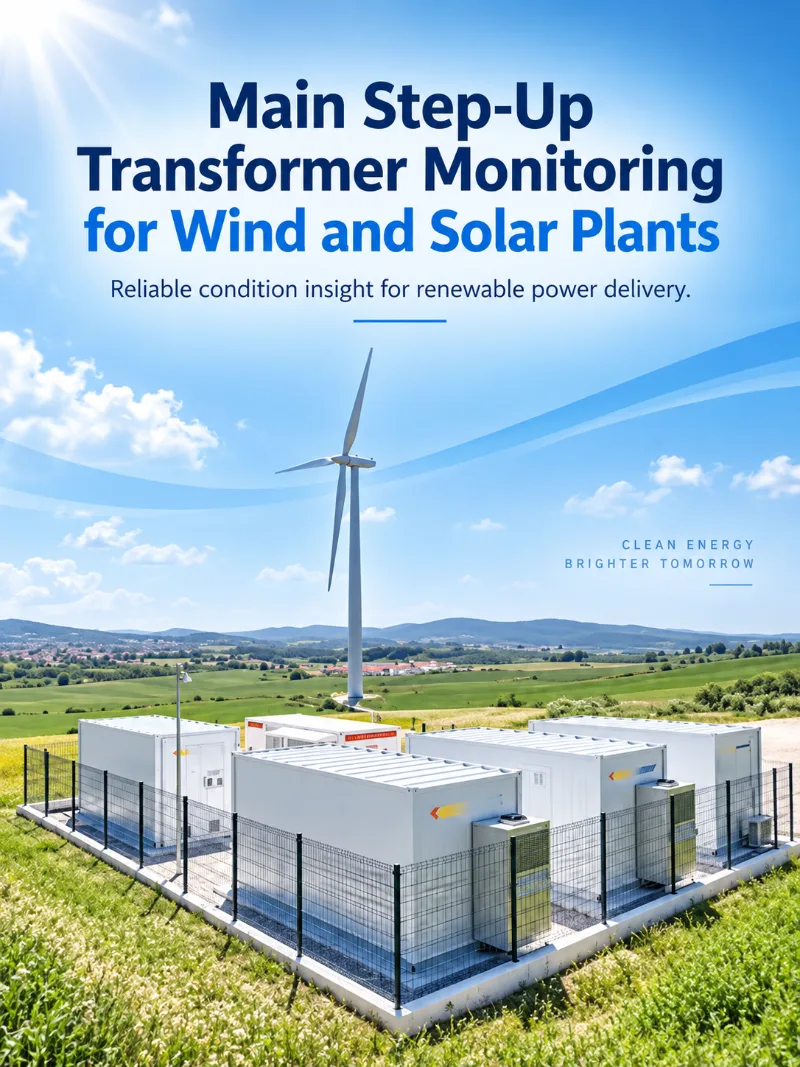
Main Step-Up Transformer Monitoring for Wind and Solar Plants
Utility-scale renewable plants commonly rely on critical step-up transformers between generation assets and the grid connection point.
- ●Winding hot spot temperature
- ●Transformer oil temperature
- ●DGA
- ●Partial discharge
- ●Bushing condition
- ●Cooling performance
- ●OLTC where applicable
For high-value main transformers, combining thermal information with insulation and oil-condition signals provides broader condition visibility.
Renewable Energy Transformer Risks and Monitoring Methods
| Operating Condition | Possible Concern | Relevant Monitoring |
|---|---|---|
| Repeated high winding temperature | May indicate thermal stress | Temperature / Hot Spot Monitoring |
| Frequent thermal cycling | May contribute to repeated thermal stress | Temperature trend monitoring |
| Abnormal dissolved gas trend | Can help identify a developing internal thermal or electrical abnormality | DGA |
| Increasing partial discharge | May indicate a developing insulation abnormality | PD Monitoring |
| Bushing condition change | Supports assessment of bushing insulation deterioration | Bushing Monitoring |
| Abnormal oil level / pressure | Supports assessment of oil-system condition | Oil Level / Pressure Monitoring |
| Cooling underperformance | May reduce heat dissipation | Temperature + cooling monitoring |
Individual signals support condition assessment; they should be interpreted together rather than as a standalone diagnosis.
How to Select Transformer Monitoring for a Renewable Energy Site
Identify Critical Transformer Assets
Distinguish between the main step-up transformer, collector transformers, substation transformers and auxiliary transformers.
Review the Operating Profile
Consider variable loading, daily / seasonal generation patterns, remote site conditions, unattended operation and transformer criticality.
Review Existing Instrumentation
Confirm what's already installed — temperature sensors, WTI/OTI, DGA, PD, bushing monitoring and existing remote monitoring.
Select the Required Monitoring Functions
Configure monitoring functions according to asset value, risk and remote operation and maintenance requirements.
Not every transformer at a renewable energy site requires the same monitoring depth. Critical main transformers and remote assets may justify more comprehensive online condition monitoring.
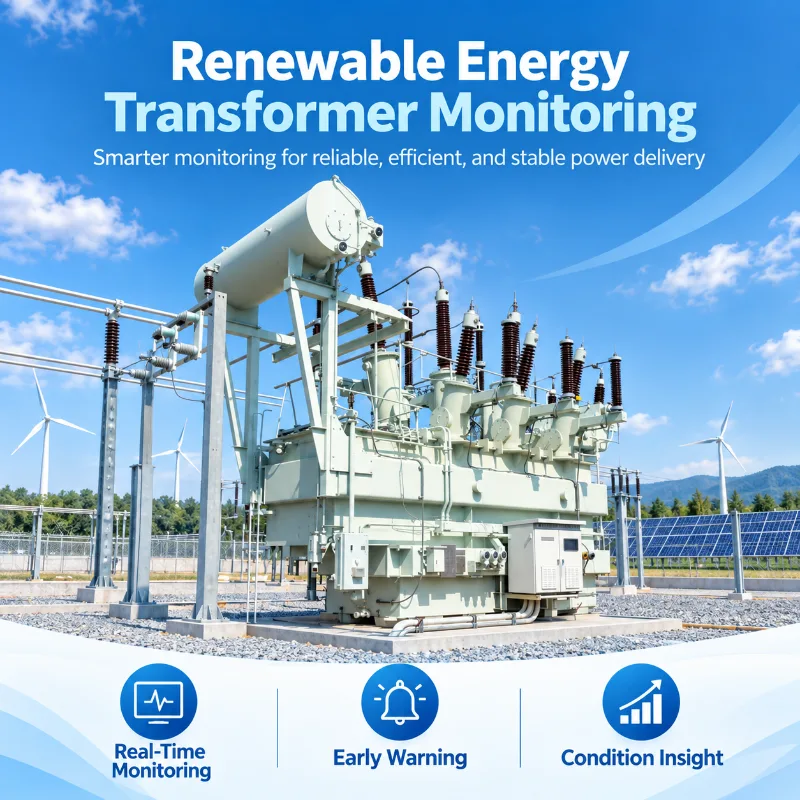
Fiber Optic Winding Temperature Monitoring for Critical Step-Up Transformers
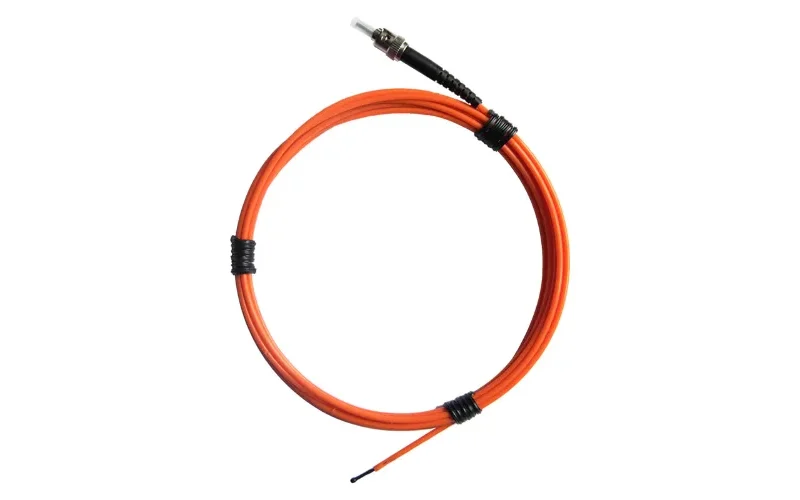
- ●Direct Winding Hot Spot Measurement — measure actual temperature at selected winding locations.
- ●Electrical Isolation — suitable for high-voltage transformer insulation environments.
- ●EMI Immunity — optical sensing supports temperature measurement in strong electromagnetic environments.
- ●Multi-Point Monitoring — compare temperature behavior across phases and selected winding locations.
- ●New Transformer Planning — embedded sensor locations and fiber routing can be planned during transformer manufacturing.
Product: Fiber Optic Temperature Measurement System for Oil-Immersed Transformer
Remote Transformer Monitoring for Distributed Renewable Energy Sites
Renewable energy assets may be distributed across remote or unattended locations.
- ●Centralized alarm visibility
- ●Historical condition trends
- ●Reduced dependence on frequent site inspection
- ●Review of multiple transformer assets
- ●Remote maintenance planning
- ●Comparison of operating conditions across sites
Final integration depends on existing site equipment and available system interfaces. Related: Substation Transformer Monitoring.
Additional Condition Signals for Critical Renewable Energy Transformers
Dissolved Gas Analysis
Supports assessment of developing thermal and electrical abnormalities in oil-filled transformers.
Partial Discharge Monitoring
Provides condition information related to developing insulation discharge activity.
Bushing Monitoring
Tracks condition changes in critical high-voltage transformer bushings.
Oil-System and Transformer Component Monitoring
OLTC Monitoring
Monitor tap changer operating condition where OLTC is used in the transformer design.
Transformer Monitoring Across Renewable Energy Applications
Wind Power
- ●Variable output
- ●Remote sites
- ●Main step-up transformers
- ●Collector systems
- ●Thermal trends
Solar Power
- ●Daily load cycles
- ●High daytime transformer loading
- ●Main step-up transformers
- ●Remote substations
- ●Centralized monitoring
Energy Storage
- ●Bidirectional / changing operating profiles
- ●Repeated load changes
- ●Transformer thermal condition
- ●Remote monitoring
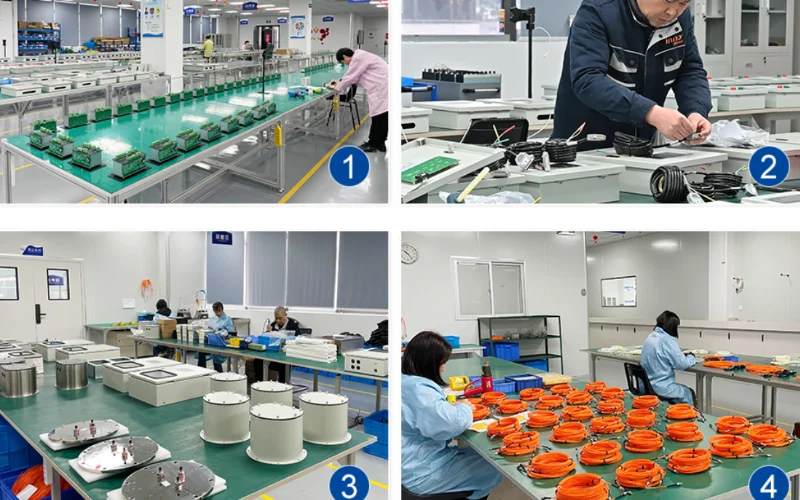
Why Renewable Energy Customers Choose INNO
- ●Transformer Monitoring Portfolio — temperature, DGA, partial discharge, bushing, OLTC and oil-system monitoring options.
- ●Fiber Optic Temperature Expertise — direct winding hot spot measurement options for critical transformer thermal applications.
- ●Flexible Monitoring Configuration — monitoring functions can be selected according to transformer type, site requirements and existing equipment.
- ●Support for Remote and Retrofit Projects — monitoring architecture can be planned around new transformers or existing renewable energy assets depending on available sensors and interfaces.
New Renewable Energy Project or Existing Site Retrofit?
New Project
- ●Plan transformer sensing points
- ●Select required monitoring functions
- ●Consider embedded winding temperature sensing
- ●Plan remote monitoring
- ●Coordinate system interfaces
Existing Site Retrofit
- ●Review existing temperature sensors
- ●Review existing monitoring devices
- ●Add DGA / PD / bushing monitoring where required
- ●Upgrade data acquisition
- ●Integrate with existing site systems where feasible
Installing new fiber optic sensors directly inside an existing transformer winding depends on transformer construction and accessibility.
Recommended Transformer Monitoring Products for Renewable Energy
Practical monitoring options for main step-up transformers and other critical renewable energy transformer assets.
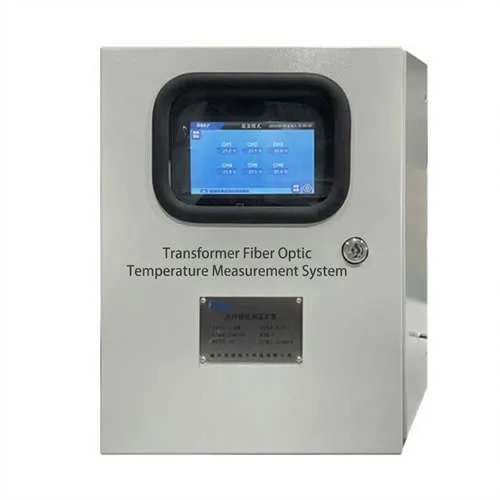
Fiber Optic Temperature Measurement System for Oil-Immersed Transformer
A complete fiber optic system for direct winding hot spot temperature measurement on critical step-up transformers.
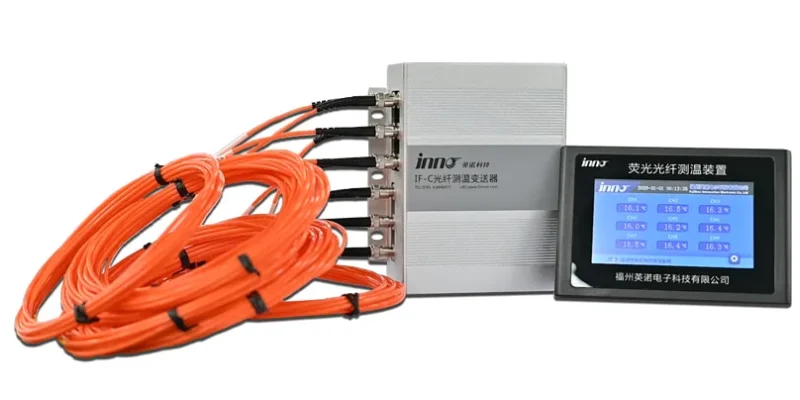
Multi-Channel Fiber Optic Temperature Measurement and Monitoring System
Monitors multiple winding locations and phases together, suited to critical main transformers.
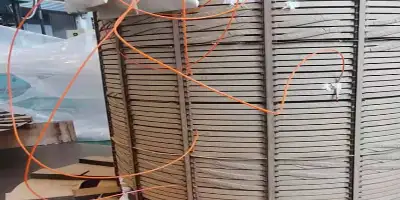
Fiber Optic Temperature Sensor for Transformer Winding Hot Spot Monitoring
The sensor element positioned at selected winding locations to provide direct hot spot temperature data.
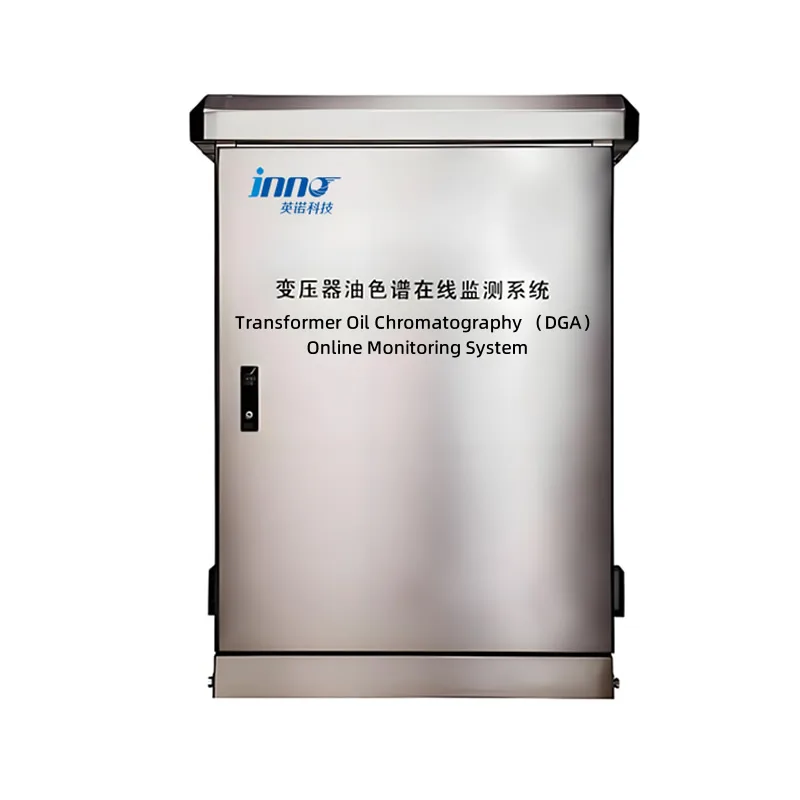
Online Dissolved Gas Analysis DGA Monitoring System for Transformer Oil
Adds chemical condition evidence alongside temperature data on critical renewable energy transformers.
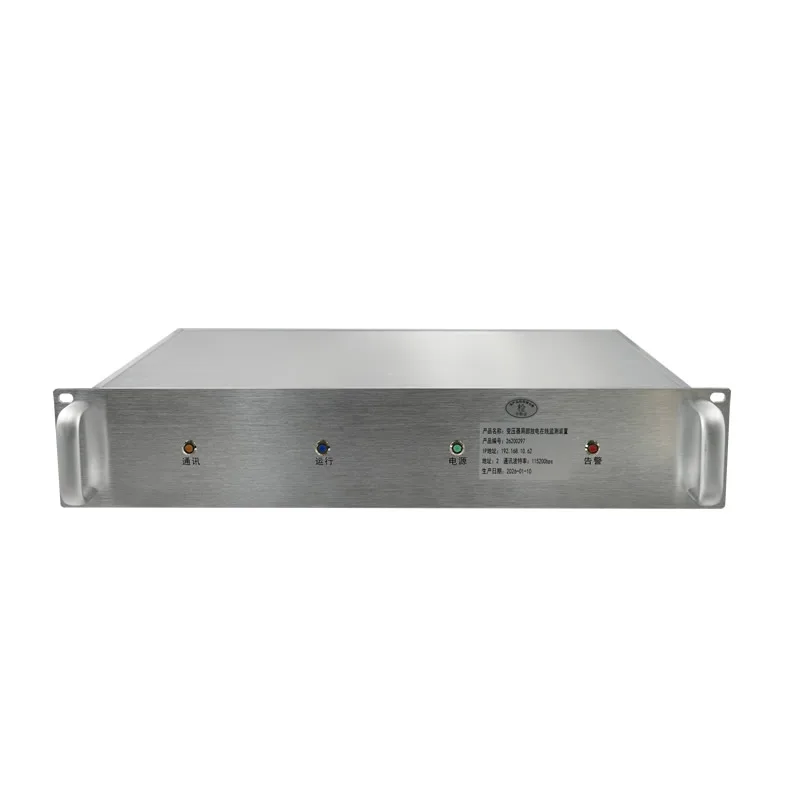
Transformer Partial Discharge Online Monitoring System
Continuous monitoring of discharge activity as a complementary insulation condition signal.
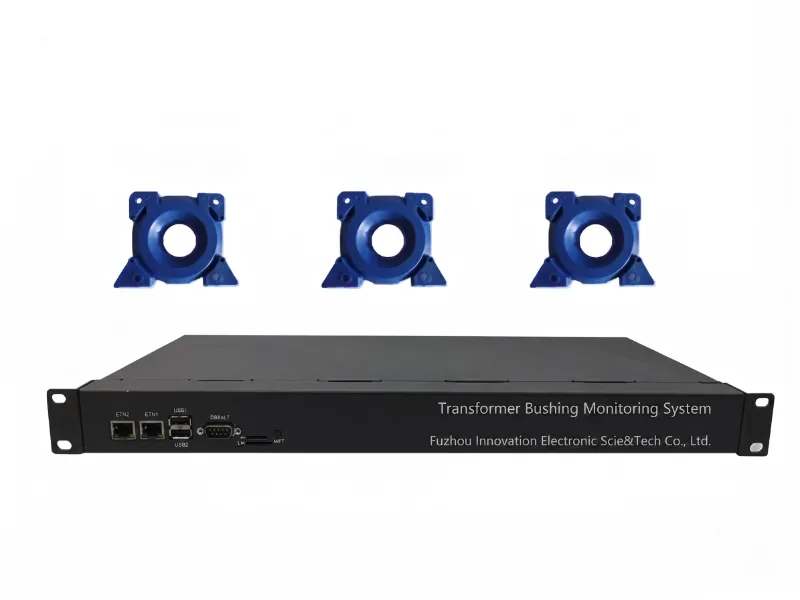
Transformer Bushing Monitoring System
Monitors condition changes in critical high-voltage transformer bushings.
Related Transformer Applications
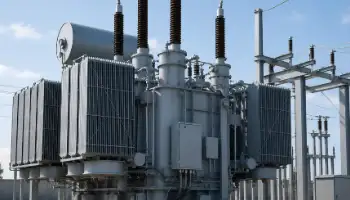
Power Transformer Monitoring
Comprehensive condition monitoring for critical high-value transformers.
Power Transformer Monitoring →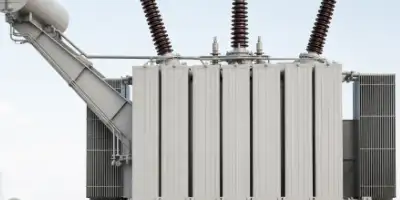
Oil-Immersed Transformer Monitoring
PD, DGA, bushing and thermal information for oil-filled transformer assessment.
Oil-Immersed Transformer Monitoring →Transformer Winding Hot Spot Monitoring
Direct measurement of thermal stress under actual operating load.
Winding Hot Spot Monitoring →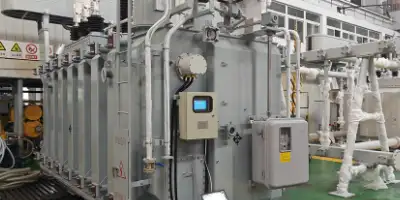
Substation Transformer Monitoring
Condition monitoring for substation transformer assets, including remote and unattended sites.
Substation Transformer Monitoring →Related Monitoring Solutions
Fiber Optic Temperature Monitoring
View Solution →Transformer Temperature Monitoring
View Solution →Transformer Monitoring
View Solution →Dissolved Gas Analysis
View Solution →Partial Discharge Monitoring
View Solution →Related Power Industry Applications
What Information Helps Us Recommend a Renewable Energy Monitoring Configuration?
Site Information
- ●Wind / solar / energy storage
- ●Site scale
- ●Transformer quantity
- ●Remote / attended operation
Transformer Information
- ●Transformer type
- ●Rated power
- ●Voltage
- ●Cooling arrangement
Monitoring Requirements
- ●Required parameters
- ●Existing sensors
- ●Existing monitoring devices
- ●Remote monitoring requirement
- ●New project / retrofit
Frequently Asked Questions
What transformers should be monitored in a renewable energy plant?
Typical priorities include the main step-up transformer, collector transformers and substation transformers, with monitoring depth set according to asset criticality.
Why is transformer temperature monitoring important in wind and solar plants?
Wind and solar output changes frequently, and this variability drives changing transformer loading and thermal behavior that temperature monitoring can help track over time.
How does variable renewable generation affect transformer temperature?
Changing generation output leads to changing transformer load, which affects winding and oil temperature and how the cooling system responds.
Can winding hot spot temperature be measured directly?
Yes — fiber optic temperature sensors can be positioned at selected winding locations to provide direct measurement, most readily when planned during transformer manufacturing.
Why use fiber optic temperature sensors in renewable energy transformers?
Fiber optic sensing provides electrical isolation and EMI immunity, which suits high-voltage transformer environments and locations near power electronics.
Can DGA and partial discharge monitoring be used together?
Yes — they provide complementary chemical and electrical evidence and are often used together on critical renewable energy transformers.
Can renewable energy transformers be monitored remotely?
Yes — transformer condition sensors can be connected through local monitoring devices and a gateway to a SCADA or remote monitoring center, depending on the site's available system interfaces.
Can existing wind or solar transformer sites be upgraded with online monitoring?
In many cases yes, though the available configuration depends on transformer construction, existing instrumentation and accessible installation points.
Monitor Critical Renewable Energy Transformers from Site to Control Center
Send us your renewable energy application, transformer information, operating profile and existing monitoring equipment. We can help evaluate suitable temperature and condition monitoring functions for critical transformer assets.