

Modes de défaillance des transformateurs : causes, symptômes, méthodes de détection et guide de prévention
发布时间:24 juillet 2026, 13 h 53 min 55 s
Transformer failure can cause unexpected outages, expensive repairs, and reduced power system reliability. Understanding common transformer failure modes helps engineers identify risks early and develop effective maintenance strategies.
Most transformer failures develop gradually due to thermal stress, insulation deterioration, electrical faults, mechanical damage, or aging components. Early detection can significantly reduce the possibility of unexpected equipment failure.
- The most common transformer failure modes include insulation failure, overheating, winding faults, bushing problems, and cooling system failures.
- Transformer overheating and insulation aging are major factors that accelerate transformer deterioration.
- Early detection methods include temperature monitoring, oil analysis, electrical testing, and condition monitoring.
- Preventive maintenance and continuous monitoring help improve transformer reliability and extend service life.
1. What Are Transformer Failure Modes?
Transformer failure modes describe the different ways a transformer can develop faults and lose normal operating performance.
Transformers operate under continuous electrical, thermal, and mechanical stress. Over time, these stresses can affect insulation systems, windings, oil condition, and other critical components.
Understanding failure modes allows maintenance teams to identify potential problems before they develop into serious failures.
| Failure Mode | Main Cause | Possible Result |
|---|---|---|
| Insulation Failure | Aging, overheating, moisture, electrical stress | Internal faults and reduced reliability |
| Overheating | Overload, cooling problems, high temperature | Accelerated aging and insulation damage |
| Winding Failure | Thermal stress, short circuit forces | Loss of transformer operation |
| Bushing Failure | Insulation deterioration and electrical stress | Electrical faults and outages |
2. What Are the Common Causes of Transformer Failure?
Transformer failure is usually caused by a combination of factors. Thermal stress, electrical stress, insulation aging, and environmental conditions can gradually reduce transformer performance.
The most common causes include insulation failure, transformer overheating, overload operation, moisture, oil deterioration, and mechanical damage.
2.1 Insulation Aging and Insulation Failure
The insulation system is one of the most important parts of a transformer. It protects electrical components and prevents abnormal current paths inside the equipment.
Over time, insulation materials naturally age. High temperature, moisture, and electrical stress accelerate insulation deterioration and reduce insulation strength.
Severe insulation degradation may lead to internal faults, winding damage, and transformer failure.
| Insulation Stress | Impact |
|---|---|
| High Temperature | Accelerates insulation aging |
| Moisture | Reduces insulation performance |
| Electrical Stress | May cause insulation breakdown |
2.2 Transformer Overheating
Transformer overheating is one of the most common conditions that increases transformer failure risk.
Excessive temperature accelerates insulation aging and creates additional thermal stress on windings and transformer oil.
Common causes of overheating include overload operation, insufficient cooling, high ambient temperature, and abnormal operating conditions.
Learn more:
Transformer Overheating: Causes, Symptoms, Effects, Prevention & Expert Guide
2.3 Transformer Overloading
Transformer overload occurs when the transformer operates above its rated capacity. Increased current creates higher winding losses and generates additional heat.
Short-term overload may be acceptable, but continuous overload operation increases thermal stress and accelerates transformer aging.
| Load Condition | Effect |
|---|---|
| Normal Load | Stable operating temperature |
| Temporary Overload | Short-term temperature increase |
| Continuous Overload | Higher failure risk and reduced lifetime |
2.4 Moisture and Transformer Oil Problems
Transformer oil provides insulation and heat transfer functions in oil-immersed transformers. Poor oil condition or moisture contamination can reduce transformer reliability.
Moisture weakens insulation performance, while degraded oil may reduce cooling efficiency and increase internal fault risks.
Regular transformer condition assessment helps identify oil-related problems before they become serious failures.
2.5 Electrical Stress and Short Circuit Damage
Transformers experience electrical stress during normal operation and abnormal conditions such as short circuits or system disturbances.
Strong mechanical forces generated during short circuit events can damage transformer windings and internal structures.
| Electrical Problem | Possible Damage |
|---|---|
| Short Circuit | Winding deformation and mechanical damage |
| Voltage Stress | Dégradation de l'isolation |
| Electrical Fault | Internal component damage |
3. How Does Transformer Overheating Lead to Failure?
Transformer overheating is one of the most important factors that can accelerate transformer aging and increase failure risks.
When a transformer operates at excessive temperature for a long period, insulation materials deteriorate faster, winding stress increases, and the overall service life of the transformer is reduced.
The relationship between temperature and transformer reliability makes thermal monitoring an important part of transformer maintenance.
3.1 Why Is Transformer Temperature Important?
Transformer temperature provides important information about operating conditions. Abnormal temperature increases may indicate overload, cooling problems, insulation deterioration, or developing internal faults.
The highest temperature inside transformer windings is known as the transformer hot spot temperature. This temperature has a direct influence on insulation aging and transformer lifetime.
For critical transformer applications, direct temperature measurement can provide more accurate information about internal thermal conditions.
INNOFZ provides:
3.2 Common Causes of Transformer Overheating
| Cause | Effect on Transformer |
|---|---|
| Overload Operation | Increases winding losses and heat generation |
| Cooling System Failure | Reduces heat dissipation capability |
| High Ambient Temperature | Increases operating temperature |
| Poor Oil Circulation | Reduces internal heat transfer efficiency |
4. What Causes Transformer Winding Failure?
Transformer winding failure is one of the most serious internal faults because windings are responsible for electrical energy conversion.
Winding problems may develop due to thermal stress, short circuit forces, mechanical movement, and insulation deterioration.
4.1 Thermal Stress on Transformer Windings
Repeated heating and cooling cycles cause expansion and contraction of winding materials. Over time, this thermal stress can weaken insulation and reduce winding reliability.
High winding temperature is especially important because it directly affects insulation aging speed.
4.2 Short Circuit Forces and Mechanical Damage
During short circuit events, strong electromagnetic forces can act on transformer windings. These forces may cause winding deformation or mechanical damage.
Severe winding damage can result in internal faults and transformer shutdown.
4.3 Winding Temperature Monitoring
Monitoring winding temperature helps identify abnormal thermal conditions and supports early maintenance decisions.
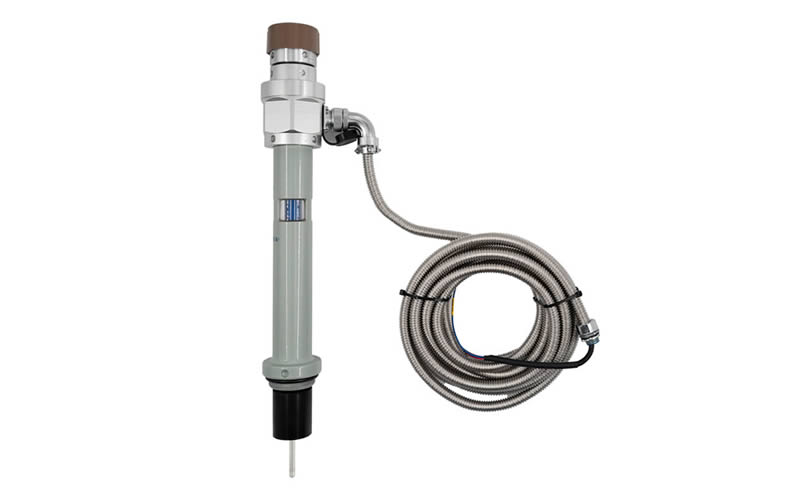
Traditional winding temperature indicators are commonly used for transformer thermal assessment.
INNOFZ provides:
Indicateur de température des enroulements du transformateur BWR2
| Winding Failure Cause | Possible Result |
|---|---|
| Thermal Stress | Accelerated insulation aging |
| Short Circuit Forces | Winding deformation |
| Insulation Damage | Internal transformer faults |
5. How Do Transformer Bushing Failures Occur?
Transformer bushings provide electrical insulation between transformer conductors and external connections. Because they operate under high electrical stress, bushing problems can affect transformer reliability.
Bushing failures usually develop due to insulation aging, moisture, contamination, overheating, or electrical stress.
5.1 Common Causes of Transformer Bushing Failure
- Dégradation de l'isolation caused by aging
- Moisture contamination reducing insulation performance
- Contrainte électrique affecting insulation strength
- Overheating accelerating component aging
5.2 Why Is Early Detection Important?
Bushing problems may develop gradually before a major failure occurs. Regular inspection and condition assessment help identify abnormal conditions earlier.
| Bushing Problem | Possible Impact |
|---|---|
| Insulation Aging | Reduced electrical strength |
| Moisture | Higher insulation failure risk |
| Overheating | Accelerated deterioration |
6. What Are the Warning Signs of Transformer Failure?
Many transformer failures show warning signs before complete equipment breakdown. Identifying these symptoms early helps reduce downtime and maintenance costs.
6.1 Abnormal Temperature Rise
An unexpected increase in transformer temperature may indicate overload, cooling problems, or internal issues.
6.2 Increased Oil Temperature
High transformer oil temperature may indicate excessive heat generation or insufficient cooling performance.
6.3 Unusual Noise and Vibration
Changes in transformer sound or vibration may indicate mechanical problems or abnormal internal conditions.
6.4 Frequent Protection Alarms
Repeated alarms related to temperature, protection systems, or operating conditions may indicate developing transformer problems.
| Warning Sign | Possible Cause |
|---|---|
| High Temperature | Overheating or cooling problems |
| Oil Abnormalities | Oil or insulation problems |
| Abnormal Noise | Mechanical or electrical issues |
| Repeated Alarms | Abnormal operating conditions |
7. How Are Transformer Failures Diagnosed?
Transformer failure diagnosis requires multiple inspection and monitoring methods because different failure modes require different detection approaches.
A complete diagnostic process helps identify abnormal conditions, determine failure causes, and develop appropriate maintenance strategies.
Common transformer diagnostic methods include temperature monitoring, oil analysis, dissolved gas analysis (DGA), partial discharge testing, and visual inspection.
7.1 Temperature Monitoring
Temperature monitoring is one of the most effective methods for identifying thermal problems in transformers.
Abnormal temperature increases may indicate overload, cooling problems, insulation deterioration, or developing internal faults.
Monitoring transformer oil temperature, winding temperature, and hot spot temperature helps operators understand transformer operating conditions.
7.2 Transformer Oil Analysis
Transformer oil condition provides important information about transformer health. Oil degradation, moisture, and abnormal characteristics may indicate developing problems.
Regular oil assessment helps maintenance teams identify potential issues before they develop into serious transformer failures.
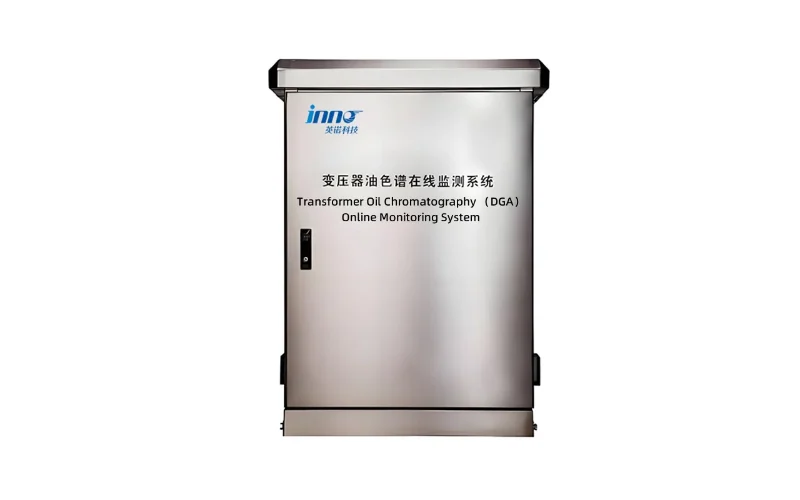
7.3 Dissolved Gas Analysis (DGA)
Dissolved Gas Analysis (DGA) is commonly used to identify abnormal gas generation caused by overheating, insulation problems, or electrical faults inside oil-immersed transformers.
DGA results can help engineers evaluate internal transformer conditions and support preventive maintenance decisions.
7.4 Partial Discharge Testing
Partial discharge testing helps identify insulation defects that may eventually develop into major transformer failures.
Early detection of insulation problems allows maintenance teams to take corrective actions before unexpected outages occur.
| Diagnostic Method | Objectif principal |
|---|---|
| Surveillance de la température | Detect thermal abnormalities |
| Oil Analysis | Evaluate oil condition |
| DGA | Identify internal faults |
| Partial Discharge Testing | Detect insulation defects |
8. Can Transformer Failure Be Prevented?
Although transformer failures cannot always be completely eliminated, proper maintenance and monitoring strategies can significantly reduce failure risks.
Preventive maintenance focuses on identifying abnormal conditions before they develop into serious transformer damage.
8.1 Regular Transformer Inspection
Regular inspections help identify abnormal temperatures, oil problems, component deterioration, and other potential risks.
8.2 Prevent Excessive Loading
Operating transformers within acceptable loading limits helps reduce thermal stress and prevents unnecessary aging.
8.3 Maintain Cooling Performance
Cooling systems play an important role in transformer reliability. Poor cooling performance can increase temperature and accelerate insulation aging.
8.4 Use Online Monitoring Technologies
Continuous monitoring provides real-time information about transformer operating conditions and helps detect abnormal trends earlier.
| Prevention Method | Benefit |
|---|---|
| Regular Inspection | Identify problems earlier |
| Load Management | Reduce thermal stress |
| Cooling Maintenance | Improve heat dissipation |
| Surveillance de l'état des équipements | Provide early warning information |
9. How Does Condition Monitoring Improve Transformer Reliability?
Transformer condition monitoring helps utilities and industrial users understand equipment health and make better maintenance decisions.
Instead of waiting for transformer failure, condition monitoring allows operators to identify abnormal conditions and take preventive actions.
9.1 Benefits of Transformer Condition Monitoring
- Early detection of developing transformer problems
- Reduced unexpected downtime
- Improved maintenance planning
- Extended transformer service life
- Better understanding of transformer operating conditions
For critical transformers, continuous monitoring provides valuable information for improving reliability and reducing operational risks.
10. How Does Temperature Monitoring Help Prevent Transformer Failure?
Temperature monitoring plays an important role in transformer protection because excessive temperature is one of the main factors that accelerates aging.
By monitoring oil temperature, winding temperature, and hot spot temperature, operators can identify abnormal thermal conditions before they develop into serious failures.
10.1 Winding Temperature Monitoring
Winding temperature monitoring helps evaluate the thermal condition of transformer windings, which directly affects insulation aging and transformer lifetime.
For traditional winding temperature measurement applications:
Indicateur de température des enroulements du transformateur BWR2
10.2 Fiber Optic Temperature Measurement
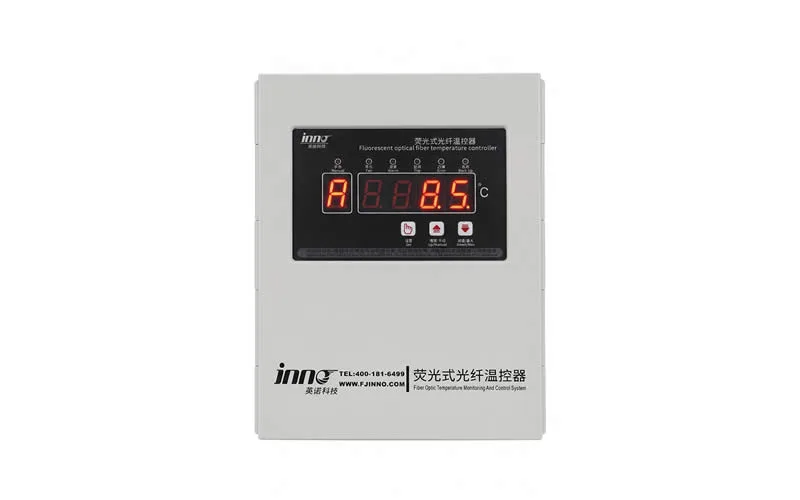
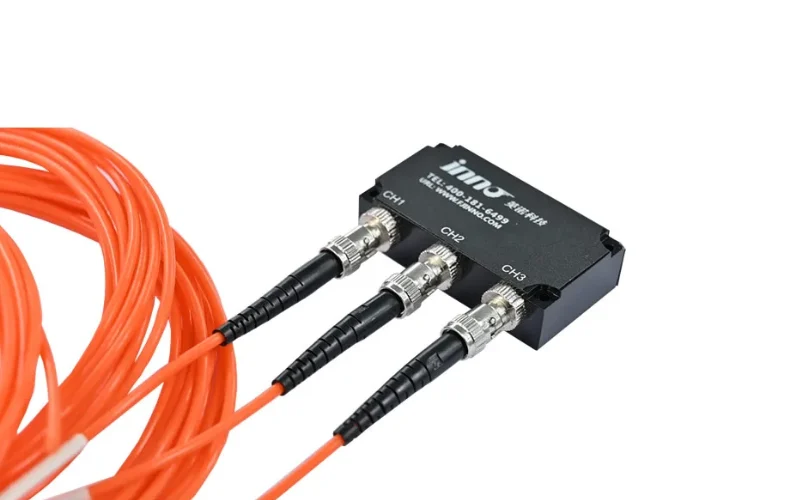
For applications requiring direct hot spot measurement, fiber optic temperature sensing provides accurate temperature measurement inside transformer windings.
Fiber optic sensors provide electrical insulation and electromagnetic immunity, making them suitable for high voltage transformer applications.
Learn more:
10.3 Transformer Failure Prevention Through Temperature Monitoring
Accurate temperature information helps operators identify overheating risks, evaluate transformer loading conditions, and improve maintenance planning.
Temperature monitoring does not only measure temperature values; it provides important information about transformer reliability and operating health.
11. Transformer Failure Modes Comparison Table
Different transformer failure modes have different causes and require different detection and prevention methods.
| Failure Mode | Main Causes | Detection Method | Prevention Strategy |
|---|---|---|---|
| Insulation Failure | Aging, overheating, moisture | DGA, testing, temperature monitoring | Regular maintenance |
| Overheating | Overload, cooling problems | Temperature monitoring | Load and cooling management |
| Winding Failure | Thermal stress, short circuit forces | Winding temperature monitoring | Early detection |
| Bushing Failure | Dégradation de l'isolation | Inspection and condition assessment | Preventive maintenance |
Conclusion
Transformer failure is usually the result of long-term stress, aging, abnormal operating conditions, or component deterioration rather than a sudden event.
Understanding different transformer failure modes helps engineers and operators identify potential risks, improve maintenance strategies, and reduce unexpected outages.
The most common transformer failure causes include insulation aging, overheating, winding problems, bushing deterioration, overload operation, and electrical stress.
Early detection through temperature monitoring, oil analysis, electrical testing, and condition monitoring can significantly improve transformer reliability.
Because temperature is closely related to insulation aging and transformer lifetime, accurate thermal assessment is an important part of transformer maintenance.
INNOFZ provides transformer temperature measurement technologies including winding temperature indicators and fiber optic temperature sensing solutions to help customers improve transformer reliability and prevent potential failures.
Frequently Asked Questions About Transformer Failure Modes
1. What are the most common transformer failure modes?
The most common transformer failure modes include insulation failure, overheating, winding failure, bushing failure, cooling problems, and electrical stress damage.
2. What causes transformer failure?
Transformer failure can be caused by insulation aging, excessive temperature, overload operation, moisture, oil deterioration, electrical stress, and mechanical damage.
3. How can transformer failure be detected early?
Transformer failure can be detected through temperature monitoring, oil analysis, dissolved gas analysis (DGA), partial discharge testing, inspection, and condition monitoring.
4. Can overheating cause transformer failure?
Yes. Long-term transformer overheating accelerates insulation aging, increases thermal stress, and reduces transformer service life.
5. Why do transformer windings fail?
Transformer windings may fail due to thermal stress, short circuit forces, mechanical damage, and insulation deterioration.
6. How does insulation aging affect transformer reliability?
Insulation aging reduces insulation strength and increases the possibility of internal faults. High operating temperatures can significantly accelerate insulation deterioration.
7. What are the warning signs of transformer failure?
Common warning signs include abnormal temperature rise, increased oil temperature, unusual noise, repeated alarms, and abnormal operating conditions.
8. How can transformer failures be prevented?
Transformer failures can be reduced through regular inspection, proper loading management, cooling system maintenance, and continuous condition monitoring.
9. What monitoring methods help prevent transformer failure?
Temperature monitoring, oil analysis, DGA, partial discharge testing, and condition monitoring technologies help identify potential problems before major failures occur.
10. How does temperature monitoring improve transformer reliability?
Temperature monitoring helps identify abnormal thermal conditions, prevent overheating, reduce insulation aging, and support preventive maintenance decisions.
Improve Transformer Reliability with INNOFZ Monitoring Solutions
Reliable transformer operation requires accurate understanding of equipment condition and early identification of potential problems.
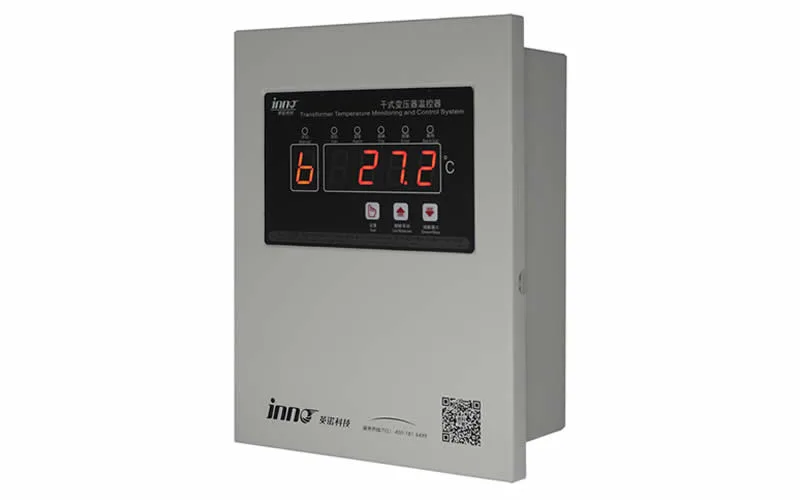
INNOFZ provides transformer temperature measurement solutions for oil-immersed and dry type transformers, including winding temperature monitoring and fiber optic temperature sensing technologies.
These solutions help customers detect abnormal thermal conditions, improve maintenance planning, and extend transformer service life.
Explore related INNOFZ solutions: