
Surveillance des transformateurs de sous-stations
Continuous monitoring of critical substation transformers across temperature, dissolved gases, partial discharge, bushings, OLTC, oil-system conditions and cooling performance.
Why Continuous Monitoring Matters in Substations
Substation transformers operate under continuous loading with limited tolerance for unplanned outages, so their condition needs to be visible at all times — not just during scheduled visits.
- ●Continuous loading
- ●Contrainte thermique
- ●Vieillissement de l'isolation
- ●Internal faults
- ●Dégradation due au refroidissement
- ●Détérioration des bagues
- ●OLTC abnormalities
- ●Remote / unattended substations
Periodic inspection provides only a snapshot, while online monitoring provides condition trends between inspections — see the broader picture in Surveillance des transformateurs de puissance.
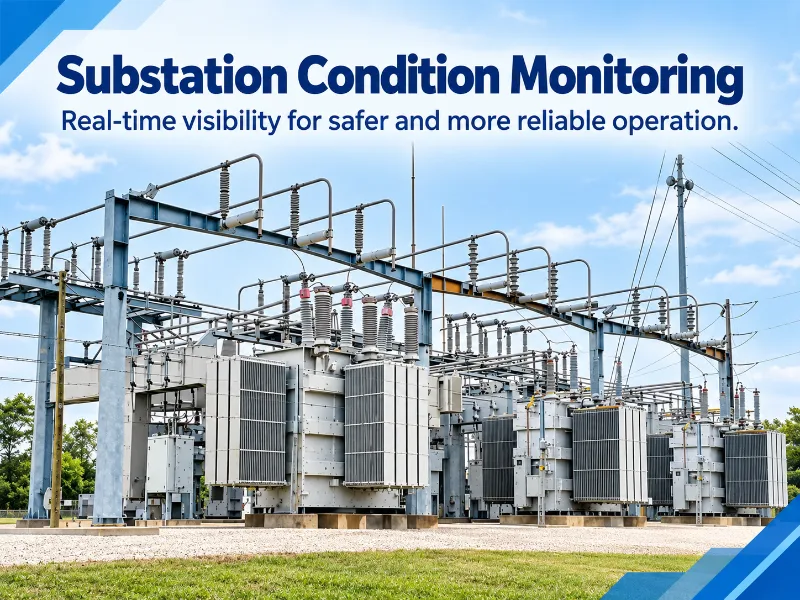
What Should Be Monitored on a Substation Transformer?
- ●Winding & Temperature — hot spot temperature, oil temperature, cooling performance.
- ●Huile pour transformateurs — dissolved gas analysis, oil condition.
- ●Isolation — partial discharge.
- ●Douilles — insulation condition.
- ●OLTC — operating condition.
- ●Réservoirs et accessoires — oil level, pressure, fans / pumps.
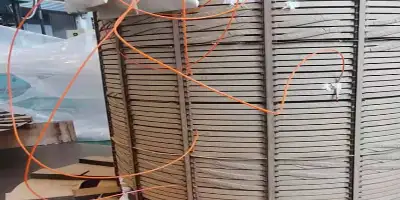
Monitor Thermal Stress Under Real Operating Load
Substation transformers can experience varying and sometimes high load conditions, making direct visibility into thermal behavior important for condition assessment.
- ●Points chauds d'enroulement
- ●Top-oil temperature
- ●Élévation de température liée à la charge
- ●Réponse de refroidissement
- ●Temperature trends
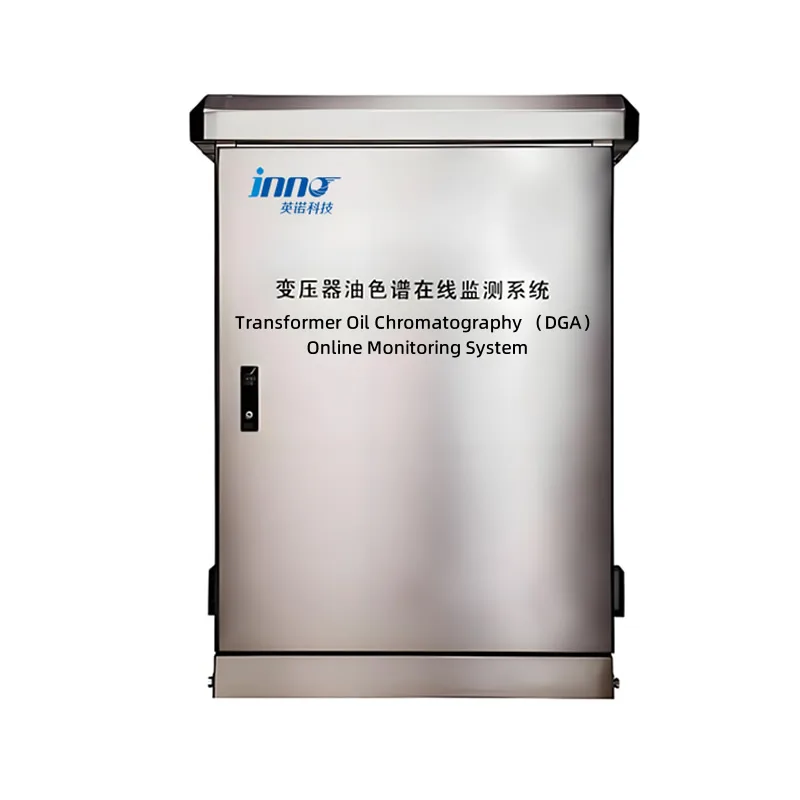
Dissolved Gas Monitoring for Developing Internal Faults
Changes in dissolved gas trends can provide chemical evidence of developing conditions inside an oil-filled substation transformer.
- ●Surchauffe interne
- ●Electrical discharge
- ●Dégradation de l'isolation
- ●Fault development trends
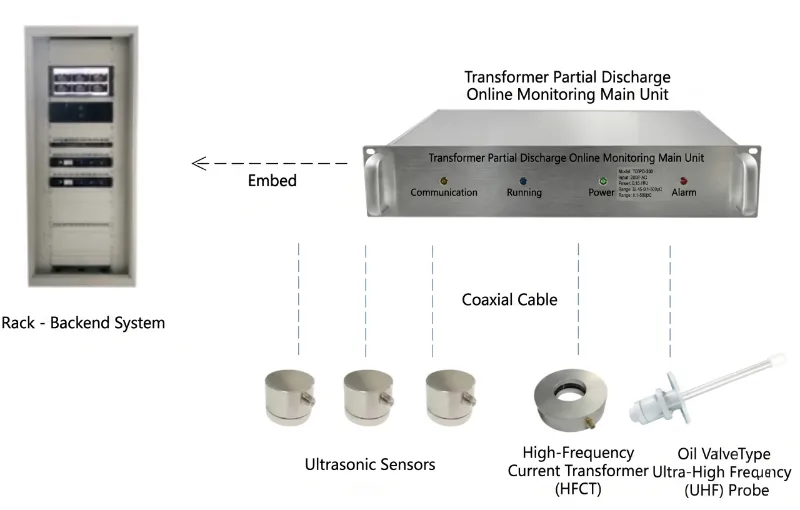
Partial Discharge Monitoring for Insulation Risk
Partial discharge activity can be associated with developing insulation defects inside the transformer's high-voltage structures.
- ●Apparition de défauts d'isolation
- ●Discharge trends
- ●Early abnormality indication
- ●Condition assessment
Monitor Critical Transformer Components
Bushings and on-load tap changers can develop condition changes independently from the transformer winding and oil system. Dedicated online monitoring gives maintenance teams continuous trend information between scheduled inspections.
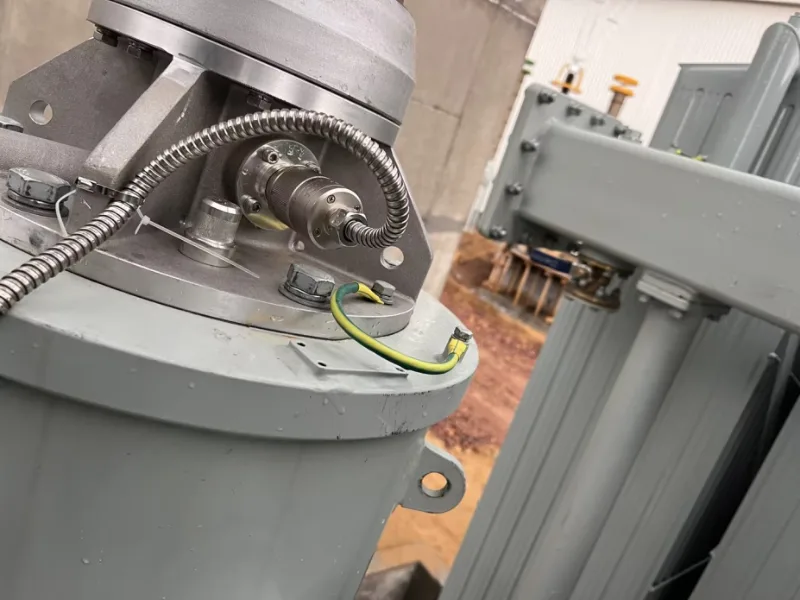
Surveillance des bagues
Online bushing monitoring provides continuous visibility into high-voltage bushing insulation condition and helps identify developing electrical abnormalities between scheduled inspections.
- Capacitance and dielectric-condition trends
- Leakage-current monitoring
- Phase comparison and long-term trend review
- Monitoring-tap signal acquisition where applicable
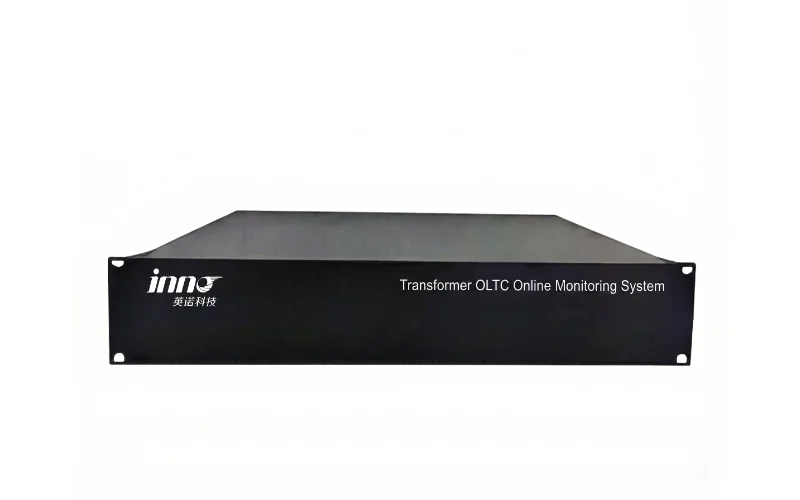
Suivi OLTC
Online OLTC monitoring tracks tap-changer operating behavior and helps identify developing mechanical or electrical abnormalities during repeated switching operations.
- Motor-drive current and operating behavior
- Tap position and switching history
- Operation count and condition trends
- Temperature, vibration or timing information where configured
Oil Temperature, Level & Pressure Monitoring
For oil-immersed substation transformers, these three parameters provide a compact view of oil-system and tank operating condition.
- ●Température de l'huile — supports thermal-condition and cooling-performance assessment.
- ●Niveau d'huile — helps identify abnormal oil-volume changes, oil loss or leakage.
- ●Pression — provides additional indication of abnormal tank or oil-system pressure conditions.
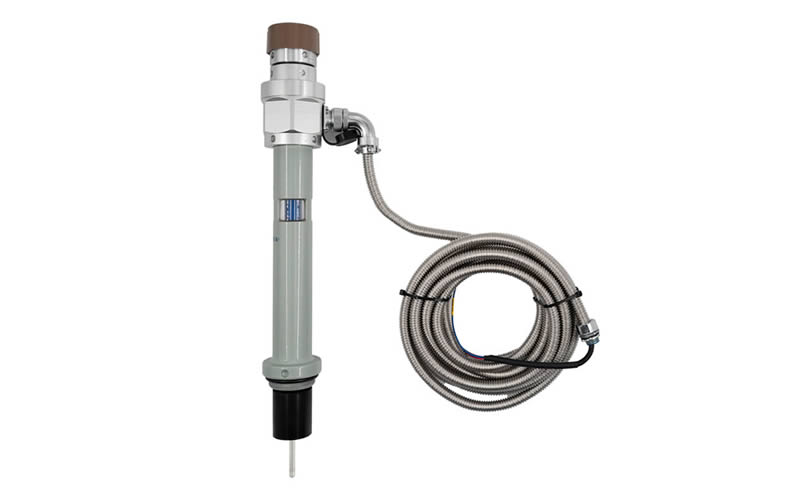
The integrated monitoring device combines oil temperature, oil level and pressure measurement in one unit for transformer condition monitoring.
From Abnormal Signal to Maintenance Attention
| État observé | Problème éventuel | Suivi pertinent |
|---|---|---|
| Augmentation de la température de l'enroulement | May indicate a thermal or cooling issue | Surveillance de la température |
| Abnormal gas trend | Can help identify a developing internal fault | DGA |
| Augmentation des décharges partielles | May indicate an insulation abnormality | Suivi de la maladie de Parkinson |
| Changement d'état de la douille | Supports assessment of insulation deterioration | Surveillance des bagues |
| Anomalie de l'OLTC | Cela peut indiquer un problème mécanique ou électrique. | Suivi OLTC |
| Oil level / pressure abnormality | Supports assessment of an oil-system concern | Surveillance du niveau et de la pression d'huile |
Les signes individuels permettent d'évaluer l'état de santé ; ils doivent être interprétés dans leur ensemble plutôt que comme un diagnostic à part entière.
From Field Sensors to the Substation Control System
Bringing every monitored parameter into one centralized view is what separates substation-level monitoring from single-transformer monitoring.
- ●Centralized alarms
- ●Historical trends
- ●Remote visibility
- ●Multi-parameter condition review
Local Alarms and Remote Condition Visibility
Local Monitoring
- ●Affichage local
- ●Alarm
- ●Cooling status
Surveillance à distance
- ●Centralized alarms
- ●Historical trends
- ●Remote supervision
- ●Maintenance planning
Condition monitoring does not replace transformer protection.
Monitoring One Transformer or Multiple Substation Assets
Single Critical Transformer
A focused monitoring configuration built around one high-value or high-risk substation transformer.
Multiple Transformer Monitoring
A centralized configuration covering several transformers within the same substation under one monitoring and alarm view.
Monitoring architecture can scale according to transformer quantity and monitoring requirements.
Typical Substation Monitoring Applications
Transmission Substations
High-voltage substations where transformer availability is critical to grid reliability.
Distribution Substations
Substations supplying end users, where continuous condition visibility supports service reliability.
Remote / Unattended Substations
Sites without permanent on-site staff, where remote monitoring is especially valuable.
Renewable Energy Substations
Substations serving wind, solar or other renewable generation with variable loading patterns.
Applications connexes des transformateurs
Surveillance des transformateurs de puissance
Surveillance complète de l'état des transformateurs critiques de grande valeur.
Surveillance des transformateurs de puissance →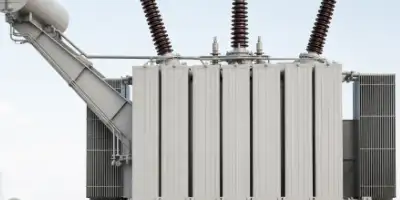
Surveillance des transformateurs à huile
Informations relatives à la protection contre les surintensités (PD), à la protection contre les surintensités différentielle (DGA), aux douilles et aux caractéristiques thermiques pour l'évaluation des transformateurs à huile.
Surveillance des transformateurs à huile →Surveillance des points chauds dans les enroulements des transformateurs
Monitor thermal stress that may contribute to insulation aging.
Surveillance des points chauds des enroulements →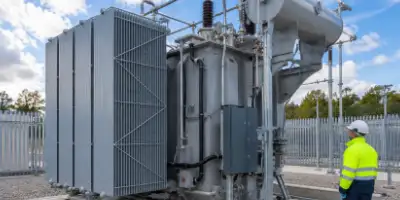
Surveillance de l'isolation des transformateurs
Combiner les données PD, DGA, celles relatives aux douilles et les indications thermiques pour évaluer l'état de l'isolation.
Surveillance de l'isolation des transformateurs →Recommended Monitoring Systems for Substation Transformers
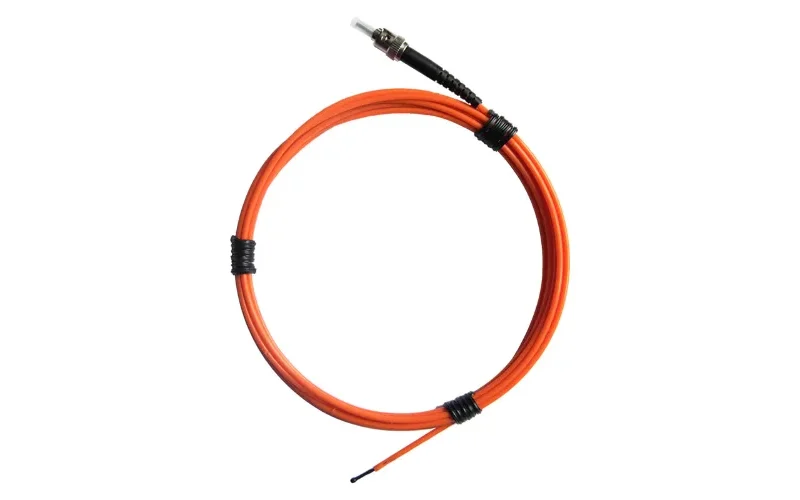
Capteur de température à fibre optique pour la surveillance des points chauds des enroulements de transformateurs
For direct measurement of winding hot spot temperature.
Système de surveillance en ligne de l'analyse des gaz dissous (DGA)
Pour la surveillance de l'évolution des gaz dissous dans les transformateurs à huile.
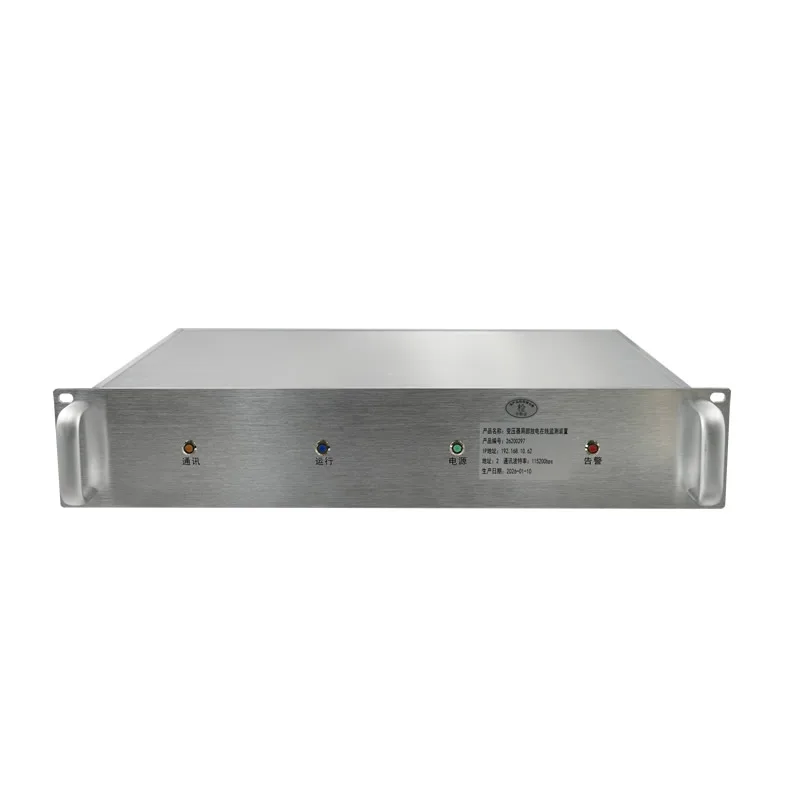
Système de surveillance en ligne des décharges partielles des transformateurs
Pour la surveillance en continu de l'activité des décharges partielles.
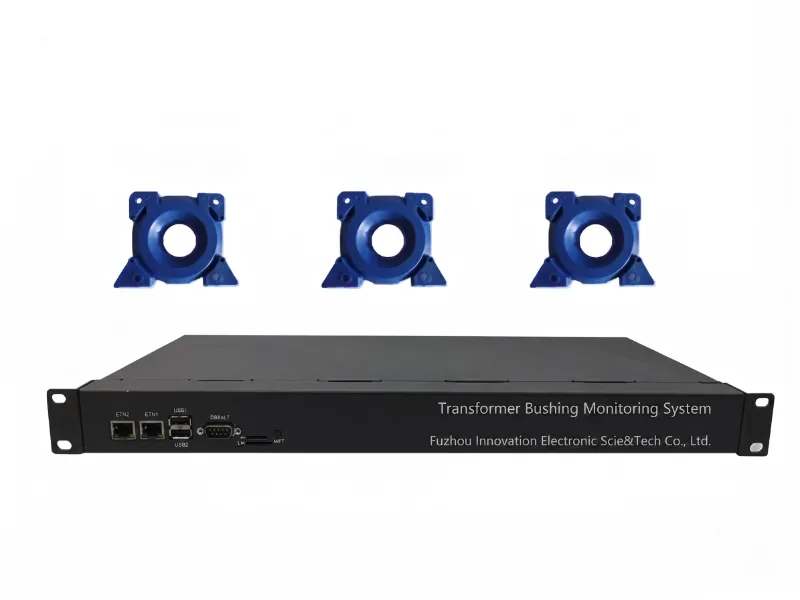
Système de surveillance des traversées de transformateur
Pour surveiller l'évolution de l'état des traversées haute tension critiques.
Système de surveillance en ligne de l'OLTC des transformateurs
Pour la surveillance des conditions de fonctionnement du changeur de prises en charge.
Système de surveillance de la température, du niveau et de la pression de l'huile de transformateur
Pour la surveillance des paramètres liés au circuit d'huile et au refroidissement.
Solutions de surveillance associées
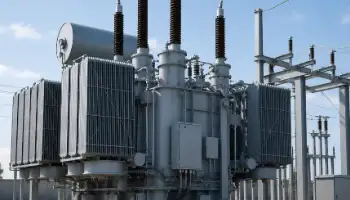
Surveillance des transformateurs
Une vue d'ensemble complète : température, analyse des gaz de décomposition (DGA), décharge partielle (PD), traversées isolantes et bien plus encore, le tout réuni.
Surveillance de la température des transformateurs
Visibilité grâce à une mesure directe de la température des enroulements et de l'huile.
Analyse des gaz dissous
Signes chimiques indiquant l'apparition d'anomalies thermiques et électriques.
Surveillance des décharges partielles
Signes électriques indiquant l'apparition de défauts d'isolation localisés.
Surveillance des bagues
Condition of critical high-voltage bushing insulation.
Transformer OLTC Monitoring
Operating condition of the on-load tap changer.
Substation transformer monitoring supports asset visibility across Sous-stations and the wider Réseau électrique et services publics sector.
New Substation Project or Existing Transformer Retrofit?
Nouveau projet
- ●Plan monitoring points
- ●Sélectionner les fonctions de surveillance
- ●Plan SCADA integration
Retrofit
- ●Passer en revue les capteurs existants
- ●Reuse suitable instruments
- ●Add monitoring functions
- ●Integrate existing systems where feasible
What Information Helps Us Recommend a Monitoring Configuration?
Informations sur le transformateur
- ●Type de transformateur
- ●Puissance nominale
- ●Niveau de tension
- ●Quantity
Existing Equipment
- ●Capteurs existants
- ●Dispositifs de surveillance existants
- ●Système SCADA existant
Monitoring Requirement
- ●Paramètres de surveillance obligatoires
- ●New project or retrofit
Foire aux questions
What should be monitored on a substation transformer?
Typical parameters include winding and oil temperature, dissolved gases, partial discharge, bushing condition, OLTC condition, and oil level / pressure / cooling status.
Which parameters are most important for online monitoring?
This depends on transformer criticality, age and known concerns — critical or aging substation transformers generally benefit from broader parameter coverage.
What is the difference between protection and condition monitoring?
Protection systems act to isolate a transformer during a fault, while condition monitoring tracks ongoing trends to support maintenance planning — condition monitoring does not replace protection.
Can DGA and PD monitoring be used together?
Yes — they provide complementary chemical and electrical evidence and are often used together for a fuller condition picture.
Why monitor bushings and OLTC?
Ces deux éléments sont essentiels et peuvent présenter des problèmes indépendamment de l'isolation de l'enroulement principal ; ils ont donc tout intérêt à faire l'objet d'une surveillance spécifique.
Les capteurs de transformateur existants peuvent-ils être réutilisés ?
In many retrofit cases yes, depending on sensor type, condition and compatibility with the monitoring system.
Les données de surveillance peuvent-elles être reliées au système SCADA ?
Monitoring data can generally be made available to a substation SCADA or control system as part of the overall monitoring architecture; specific integration details depend on the project.
Tous les transformateurs nécessitent-ils la même configuration de surveillance ?
No — the appropriate configuration depends on transformer type, criticality, operating history and site requirements.
Build the Right Monitoring Architecture for Your Substation Transformers
Send us your transformer type, quantity, existing sensors and monitoring requirements to evaluate the right configuration for your substation.