
What Is a Polyimide Protected Fiber Optic Temperature Sensor?
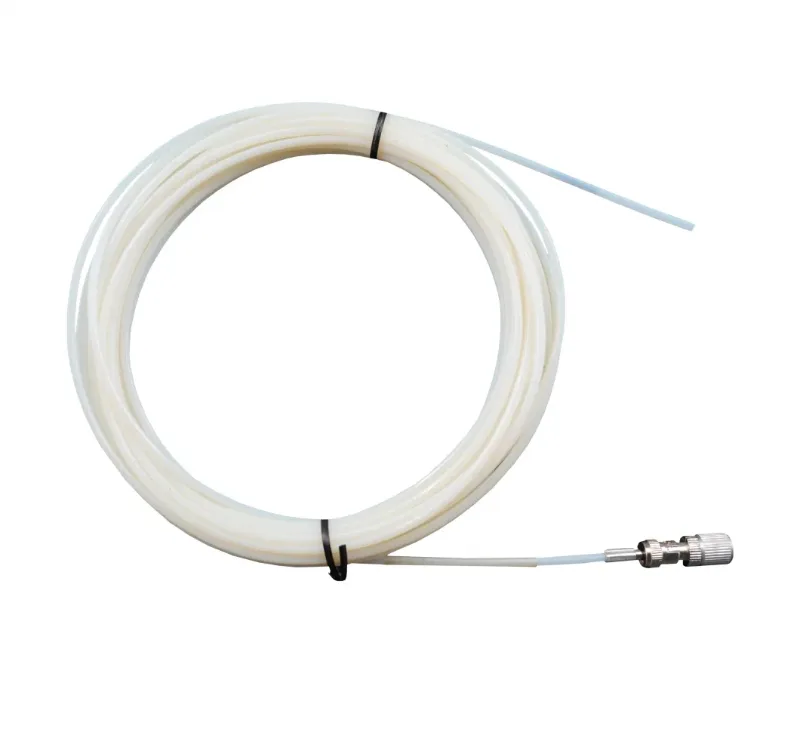
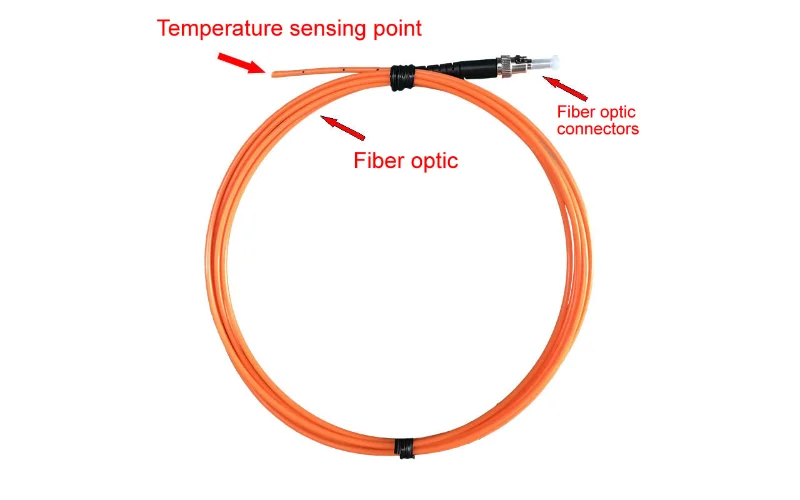
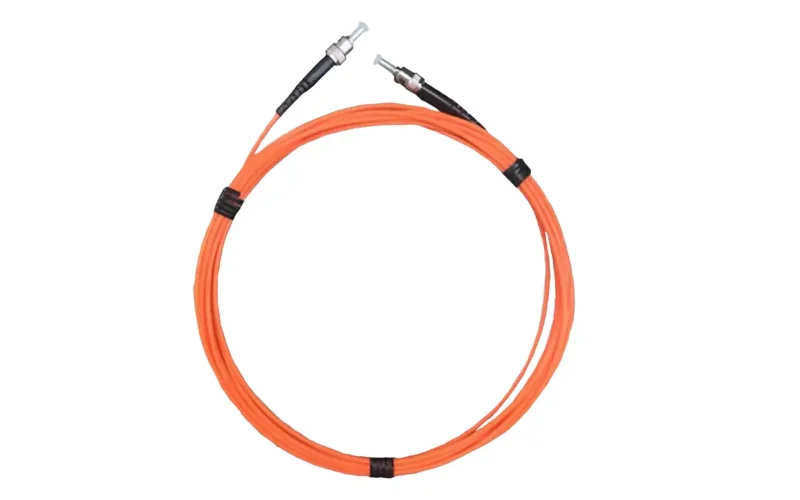
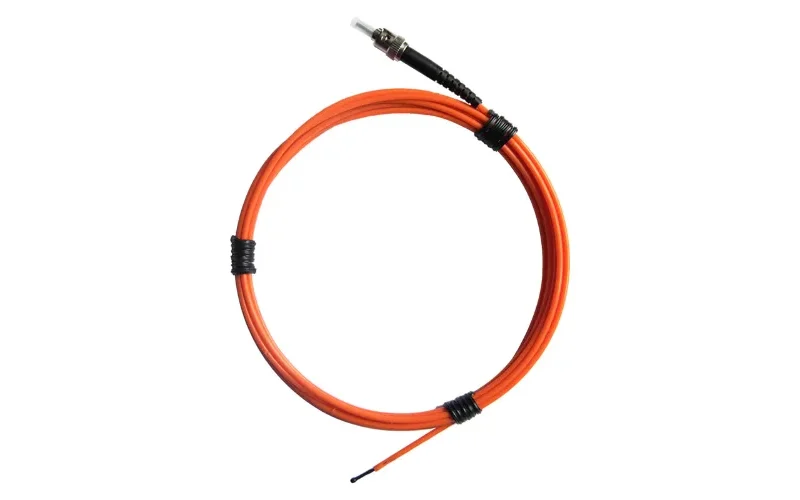
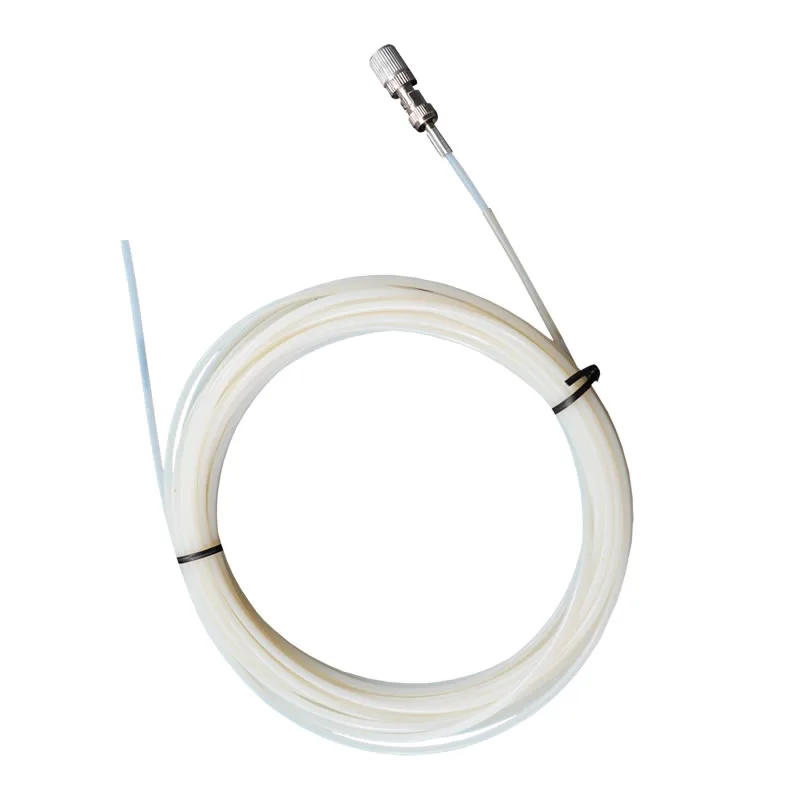
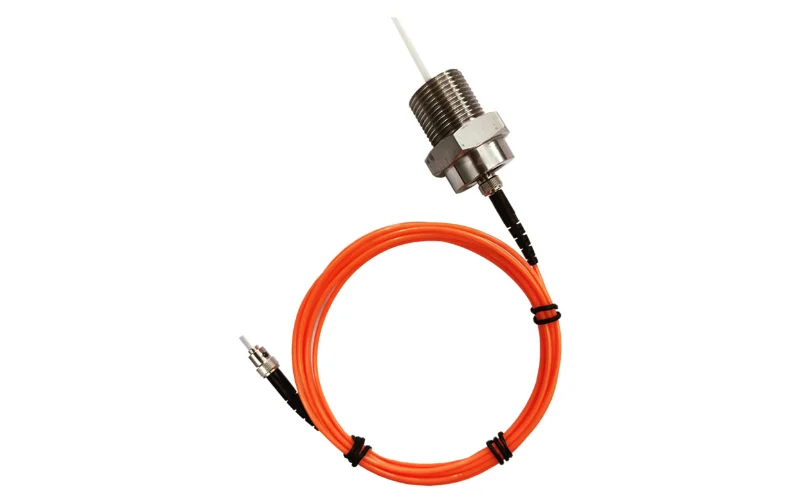
A polyimide protected fiber optic temperature sensor is an optical temperature probe designed for transformer winding hotspot measurement. The fluorescent sensing tip is connected with quartz optical fiber and protected by a polyimide insulation structure, making it suitable for installation inside oil-immersed transformers.
Compared with general fiber optic temperature probes, the polyimide protected structure is thinner, more flexible and more suitable for winding installation. It can be routed near transformer windings, spacers, internal support structures or other hotspot positions during transformer manufacturing or maintenance.
Why Use Polyimide Protection in Transformer Windings?
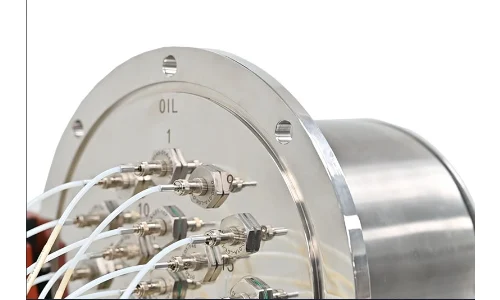
Oil-immersed transformer interiors require materials that can work under heat, transformer oil, high voltage and long-term insulation stress. Polyimide is used as a protective and insulating material because it supports flexible installation, compact routing and stable operation in winding-related temperature measurement positions.
Main Application Positioning
This product is suitable for oil-immersed transformer winding temperature measurement, winding hotspot monitoring, internal transformer optical temperature sensing and embedded high-voltage temperature monitoring applications.
Lifetime-Based Fluorescent Optical Measurement Principle
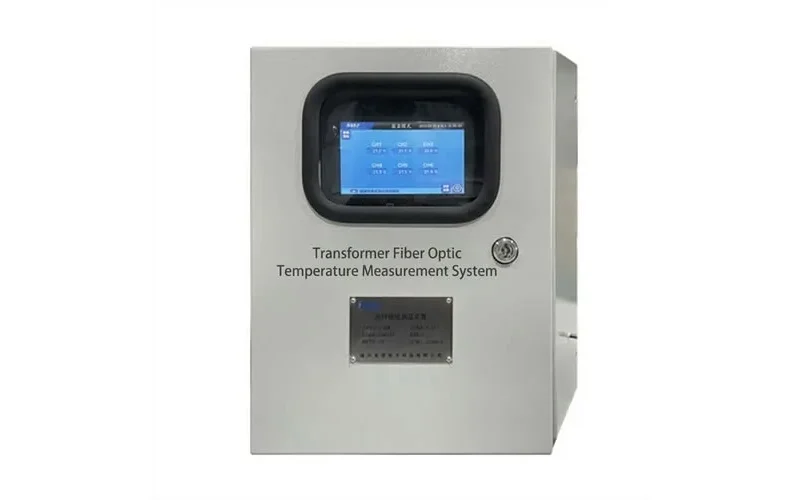
The sensing tip contains temperature-sensitive fluorescent material. When the monitoring device sends excitation light through the optical fiber, the fluorescent material emits an afterglow signal. The decay lifetime of this afterglow changes with temperature, and the monitoring device calculates the temperature from the lifetime value.
Optical Excitation
Excitation light is transmitted through the quartz optical fiber to the fluorescent sensing tip installed inside the transformer.
Afterglow Signal Return
The fluorescent material emits a returned optical signal after excitation, and the optical signal is transmitted back through the fiber.
Lifetime Detection
The monitoring device detects the fluorescence decay time instead of relying only on returned light intensity.
Temperature Calculation
The decay lifetime is converted into a temperature value through calibration data, providing point-type hotspot temperature measurement.
Why Lifetime Measurement Is Used
Lifetime-based measurement is less affected by optical power fluctuation, connector loss, fiber bending and light source aging. This makes it suitable for embedded transformer monitoring where long-term signal stability is important.
Key Advantages for Oil-Immersed Transformer Applications
Polyimide Insulated Protection
The polyimide protection layer provides electrical insulation and flexible mechanical protection for winding-related installation positions.
Oil-Immersed Environment Compatibility
The sensor structure is suitable for transformer oil environments where long-term material stability and insulation compatibility are important.
Flexible Winding Installation
The protected optical fiber can be routed along winding structures, spacers or internal support positions without using electrical signal wiring at the measuring point.
Direct Hotspot Measurement
The sensing tip can be placed near the expected hotspot position, helping measure winding temperature more directly than external oil temperature measurement.
High-Voltage Optical Isolation
The sensing point is optical and electrically insulating, which helps reduce electrical interference and insulation risk inside high-voltage transformer structures.
Long-Term Embedded Monitoring
The sensor is designed for applications where the probe is installed inside the transformer and expected to operate continuously for long service periods.
Caractéristiques techniques
| Élément du cahier des charges | Configuration standard / en option |
|---|---|
| Nom du produit | Polyimide Protected Fiber Optic Temperature Sensor |
| Demande | Oil-immersed transformer winding hotspot measurement |
| Measurement principle | Fluorescence afterglow lifetime temperature measurement |
| Sensing type | Point-type optical temperature sensing |
| Plage de températures | -40°C to +260°C |
| Précision | ±0.5°C to ±1°C |
| Résolution | 0,1 °C |
| Temps de réponse | Less than 1 second |
| Diamètre de la sonde | 2 mm to 3 mm, customizable |
| Longueur des fibres | 0 m to 80 m, customizable |
| Type de fibre | Fibre optique en quartz |
| Protection material | Polyimide protected insulation structure |
| Installation style | Winding-installed, embedded, routed along spacer or customized |
| Electrical insulation | Electrically insulating optical sensing point |
| Résistance à la haute tension | Above 100 kV, depending on insulation structure and installation condition |
| Oil environment | Suitable for oil-immersed transformer applications |
| EMI immunity | Suitable for strong electromagnetic environments |
| Service life | Greater than 25 years under suitable operating conditions |
| Compatible device | Single-channel or multi-channel fiber optic temperature monitoring device |
| Personnalisation | Probe diameter, fiber length, sensing tip, protection structure and mounting method |
Structure du produit
Fluorescent Sensing Tip
The sensing tip is placed at the target hotspot position and is used for direct point-type temperature measurement.
Quartz Optical Fiber
The quartz optical fiber transmits excitation light and returned fluorescence signals between the sensing tip and the monitoring device.
Polyimide Protection Layer
The polyimide protection structure provides insulation, flexibility and mechanical protection for transformer winding installation.
Internal Routing Section
The protected fiber can be routed along winding structures, spacers or internal support positions according to transformer design.
Monitoring Device Interface
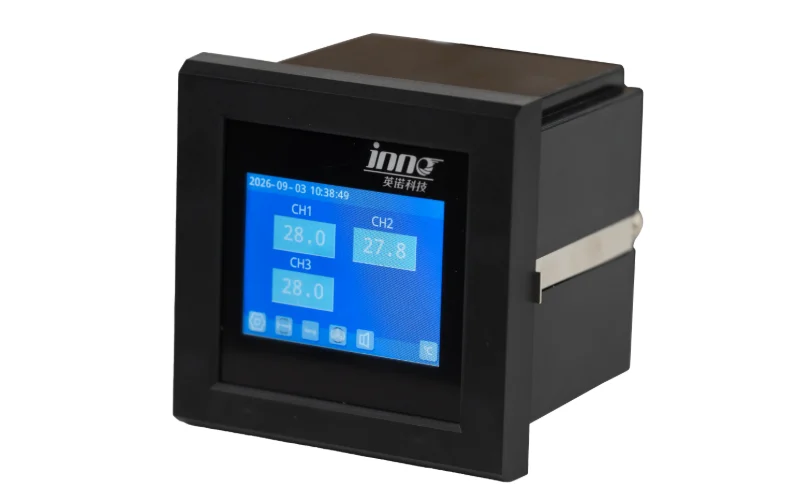
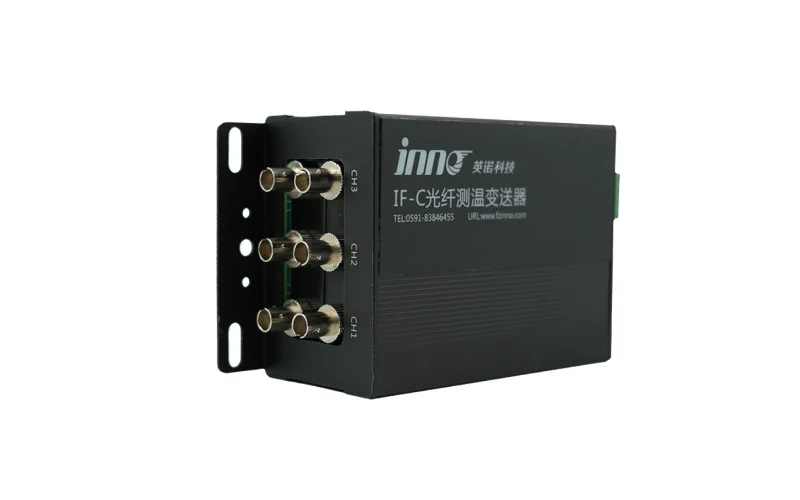
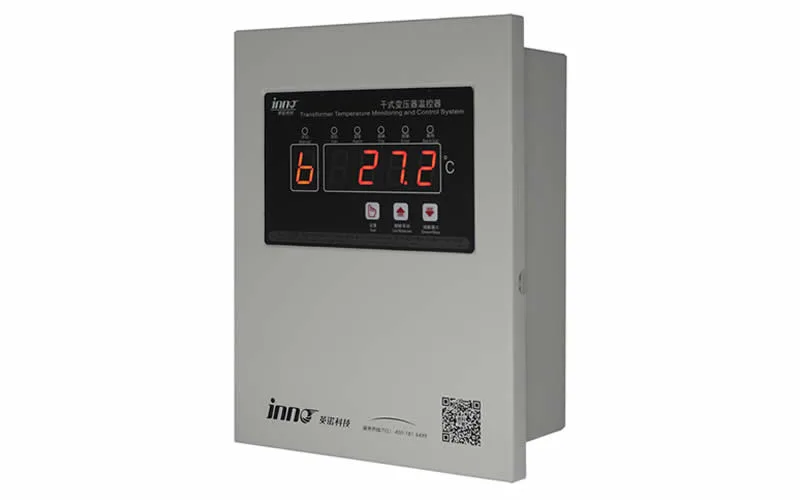
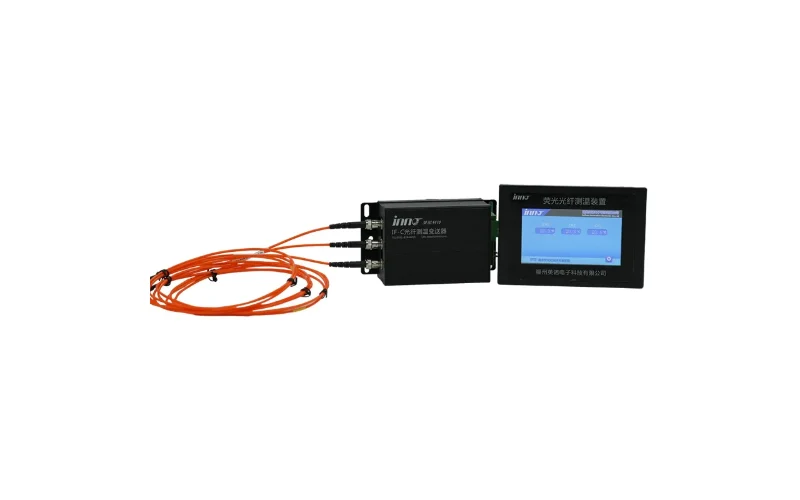
The sensor connects to a fiber optic temperature monitoring device that provides excitation, signal detection, temperature calculation and output functions.
Polyimide Protected Sensor vs Conventional Fiber Optic Temperature Sensor
The main difference is not the optical measurement principle, but the protection and installation structure. Polyimide protected sensors are optimized for transformer winding environments, while conventional probes are often used for general surface, cabinet or contact temperature measurement.
| Élément de comparaison | Polyimide Protected Fiber Optic Temperature Sensor | Conventional Fiber Optic Temperature Sensor |
|---|---|---|
| Main purpose | Embedded or winding-installed transformer hotspot measurement | General point temperature measurement |
| Protection material | Polyimide insulated protective structure | Depends on housing, such as stainless steel, PTFE, plastic sleeve or armored tube |
| Position de montage | Transformer winding, spacer area, internal hotspot position | Cabinet surface, switchgear contact, busbar joint or general equipment point |
| Flexibility | Suitable for compact routing and winding-related installation | Depends on probe housing and mechanical structure |
| Oil-immersed use | Designed for transformer oil environments | Requires suitable material selection |
| Insulation focus | High-voltage transformer internal insulation compatibility | General electrical isolation depending on application |
| Selection logic | Choose for oil-immersed transformer winding hotspot monitoring | Choose for general optical temperature measurement applications |
Where Is the Sensor Installed Inside an Oil-Immersed Transformer?
Winding Hotspot Area
The sensing tip can be arranged near the expected winding hotspot to measure the local temperature more directly.
Spacer or Support Position
The protected fiber can be routed along spacer or support structures to keep the sensing position stable during transformer operation.
Winding End Area
The sensor can be installed in selected winding end positions according to the transformer design and thermal analysis result.
Internal Temperature Monitoring Point
For customized transformer designs, the sensor can be placed at internal points where oil temperature alone cannot reflect the actual hotspot condition.
Why Measure Transformer Winding Hotspot Temperature Directly?
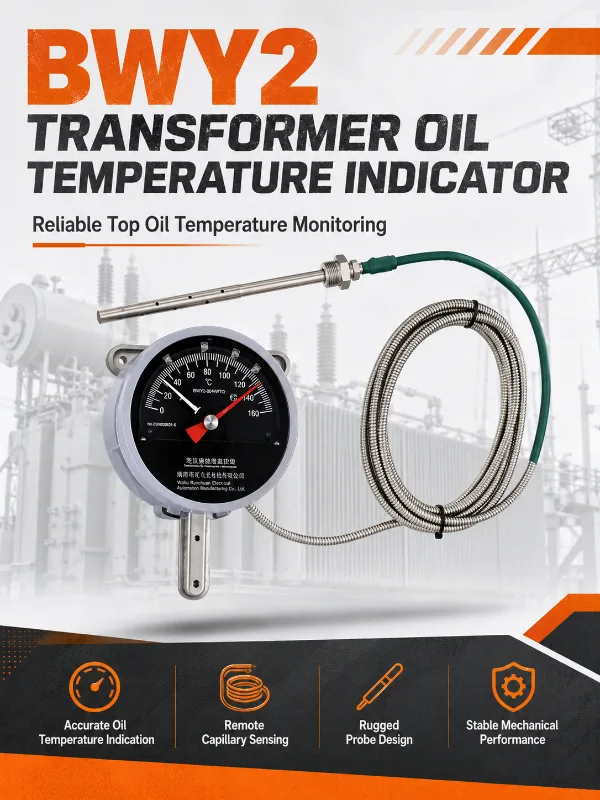
Oil temperature can show the general thermal condition of a transformer, but it may not fully represent the highest temperature inside the winding. Winding hotspot temperature is closely related to insulation aging, overload risk and transformer service reliability.
More Direct Thermal Data
Embedded optical temperature sensing helps obtain temperature data closer to the real hotspot position.
Better Support for Load Management
Winding temperature data can support transformer loading decisions and thermal protection strategies.
Useful for Long-Term Asset Monitoring
Continuous internal temperature measurement provides useful data for maintenance planning and transformer condition assessment.
Options de personnalisation
Diamètre de la sonde
The probe can be customized for winding gaps, spacer positions and compact internal transformer structures.
Longueur des fibres
The fiber can be designed according to the distance between the internal measuring point and the monitoring device.
Protection Structure
The protection structure can be adjusted according to winding installation, oil environment, insulation requirement and mechanical routing path.
Sensing Tip Position
The sensing tip can be configured for embedded placement, surface contact or internal hotspot measurement according to transformer design.
Monitoring Device Matching
The sensor can be matched with single-channel or multi-channel fiber optic temperature monitoring devices according to the number of measuring points.
How to Select the Right Sensor
Vérifier le type de transformateur
Confirm transformer capacity, winding structure and whether the sensor is installed during manufacturing or maintenance.
Confirm Hotspot Position
Define the expected hotspot location based on transformer design, thermal calculation or monitoring requirement.
Confirmer la méthode d'installation
Check whether the sensor will be embedded, routed along a spacer, fixed near a winding or placed at another internal point.
Confirm Insulation Requirement
Consider voltage level, insulation distance, mechanical pressure and long-term oil-immersed operation.
Confirm Monitoring Point Quantity
The number of measuring points determines the required monitoring device channel quantity.
Recommended Information for Sensor Selection
| Informations obligatoires | Exemple |
|---|---|
| Type de transformateur | Oil-immersed power transformer, distribution transformer or special transformer |
| Measuring position | Winding hotspot, spacer area, winding end or internal temperature point |
| Installation stage | Factory installation, maintenance installation or retrofit evaluation |
| Number of measuring points | Single point or multiple points |
| Mechanical structure | Embedded, routed, fixed near winding or customized |
| Environnement d'exploitation | Transformer oil, high voltage, internal pressure, long-term operation |
| Monitoring device | Single-channel or multi-channel fiber optic temperature monitoring device |
Foire aux questions
What is a polyimide protected fiber optic temperature sensor?
It is a fluorescent fiber optic temperature probe with a polyimide protected insulation structure for transformer winding hotspot measurement.
Why is polyimide used for transformer winding temperature sensors?
Polyimide is suitable for flexible, insulating and oil-immersed installation structures inside transformer winding environments.
Is this sensor used for oil temperature or winding temperature?
It is mainly used for winding hotspot temperature measurement, which is different from general oil temperature measurement.
Can the sensor be installed inside an oil-immersed transformer?
Yes. The sensor is designed for internal transformer applications when the structure and installation method match the transformer design.
How does the fluorescent lifetime principle work?
The sensing material emits an afterglow signal after optical excitation, and the temperature is calculated from the decay lifetime of that signal.
How is it different from a conventional fiber optic temperature probe?
The key difference is the polyimide protected structure, which is optimized for oil-immersed transformer winding installation.
Can the fiber length and probe structure be customized?
Yes. The fiber length, probe diameter, protection structure and sensing tip position can be customized according to transformer requirements.
What monitoring device is required?
The sensor needs to work with a fiber optic temperature monitoring device that provides optical excitation, signal detection and temperature output.
Is it suitable for long-term transformer monitoring?
Yes. It is designed for long-term embedded monitoring when properly selected and installed according to operating conditions.
What information is needed for selection?
Transformer type, hotspot position, installation method, insulation requirement, measuring point quantity and monitoring device requirement are normally required.
Polyimide Protected Fiber Optic Temperature Sensor for Transformer Winding Hotspot Monitoring
The polyimide protected fiber optic temperature sensor is designed for internal temperature measurement in oil-immersed transformer windings. Its lifetime-based fluorescent sensing principle, optical insulation structure and flexible polyimide protection make it suitable for long-term hotspot monitoring in high-voltage transformer environments.