
Мониторинг силовых трансформаторов
Comprehensive condition monitoring for critical power transformers — covering winding temperature, dissolved gases, partial discharge, bushings, OLTC, oil condition, cooling systems and other key operating conditions.
Power transformer monitoring combines multiple condition indicators to help identify developing faults, support maintenance decisions and improve transformer availability.
Why Power Transformer Monitoring Matters
Large power transformers operate under continuous stress for decades. Over time, this stress can show up in several different ways at once:
- Электрическое напряжение
- Термическая нагрузка
- Механическая нагрузка
- Insulation aging
- Load variation
- Cooling system degradation
- Auxiliary system abnormalities
No single monitoring parameter can fully represent the health of a power transformer.
This is why power transformer monitoring is usually built around a combination of indicators — temperature, dissolved gas analysis, partial discharge, bushing condition, OLTC condition, oil level and pressure, and cooling system status — rather than any single measurement. The next section breaks down what should actually be monitored on a power transformer, and why.
What Should Be Monitored on a Power Transformer?
Rather than thinking in terms of products, it helps to look at the transformer by component — each part carries its own risk profile and its own relevant monitoring parameters.
Намотка
- Температура в «горячей точке»
- Thermal condition
- Insulation aging risk
Трансформаторное масло
- Dissolved gases
- Oil temperature
- Oil condition
Система теплоизоляции
- Частичный разряд
- Developing insulation defects
Втулки
- Insulation condition
- Capacitance / dielectric behavior
- Нарушения в области тока утечки
OLTC
- Switching condition
- Состояние контакта
- Mechanical abnormalities
Tank & Accessories
- Oil level
- Давление
- Cooling system, fans and pumps
Not every transformer needs every item monitored. The actual configuration depends on equipment importance, operating environment, existing sensors already installed and maintenance strategy.
Winding Temperature and Hot Spot Monitoring
- Transformer loading creates thermal stress inside the winding
- Local hot spots may accelerate insulation aging
- External temperature measurements may not completely represent internal winding conditions
- Hot spot information helps evaluate loading and cooling performance
- Suitable for critical power transformers and heavily loaded transformers

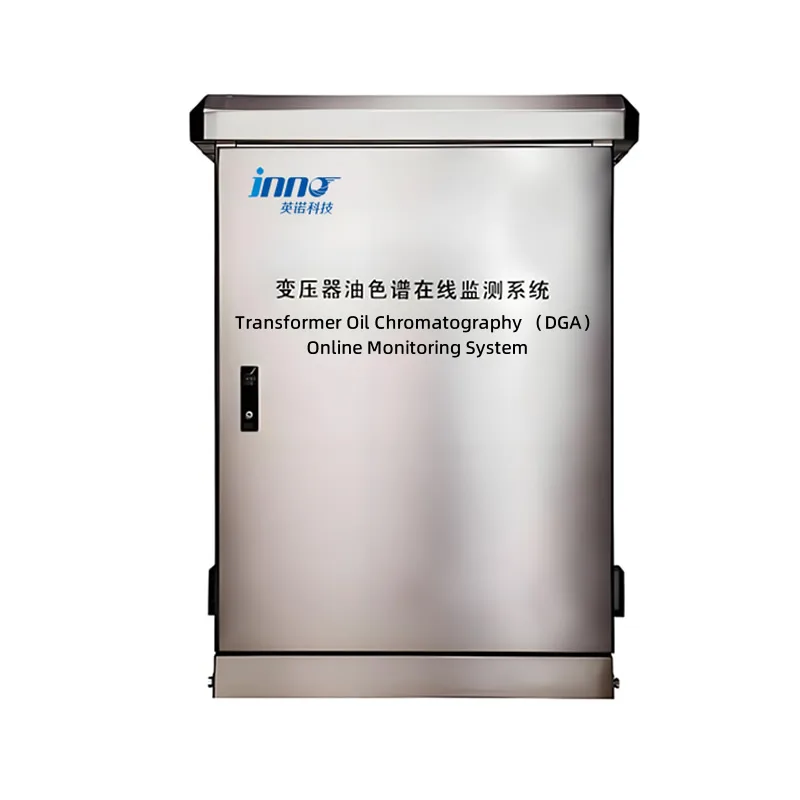
Dissolved Gas and Transformer Oil Monitoring
When internal overheating, arcing, discharge activity or insulation decomposition occurs inside an oil-filled power transformer, characteristic gases can build up in the oil over time. Tracking these gas trends — rather than reading a single test result — is what helps flag a developing fault early.
- Внутренний перегрев
- Arcing
- Деятельность по сбросу
- Разложение теплоизоляции
- Fault trend development
Мониторинг частичных разрядов и состояния изоляции
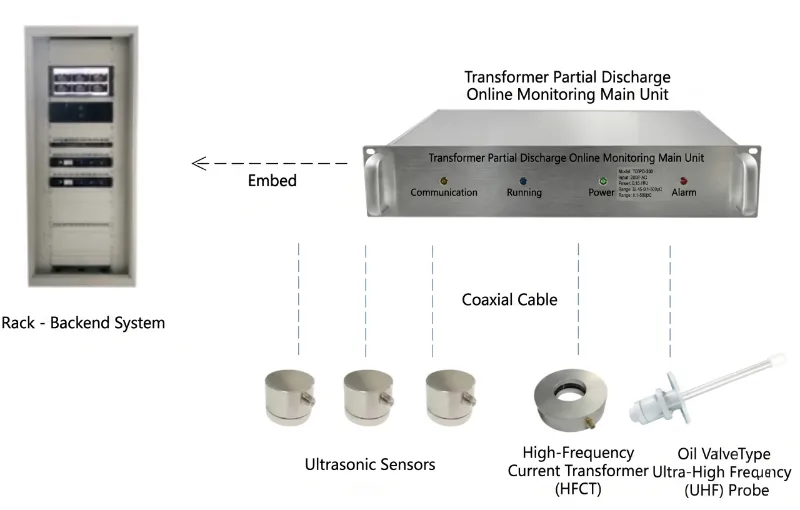
Within a power transformer, winding insulation, main insulation, leads, bushings and oil-paper insulation can all develop localized defects or gradual deterioration over time.
- Identify developing insulation defects
- Track discharge activity
- Compare condition trends
- Support maintenance prioritization
- Reduce unexpected failure risk
Transformer Bushing Condition Monitoring
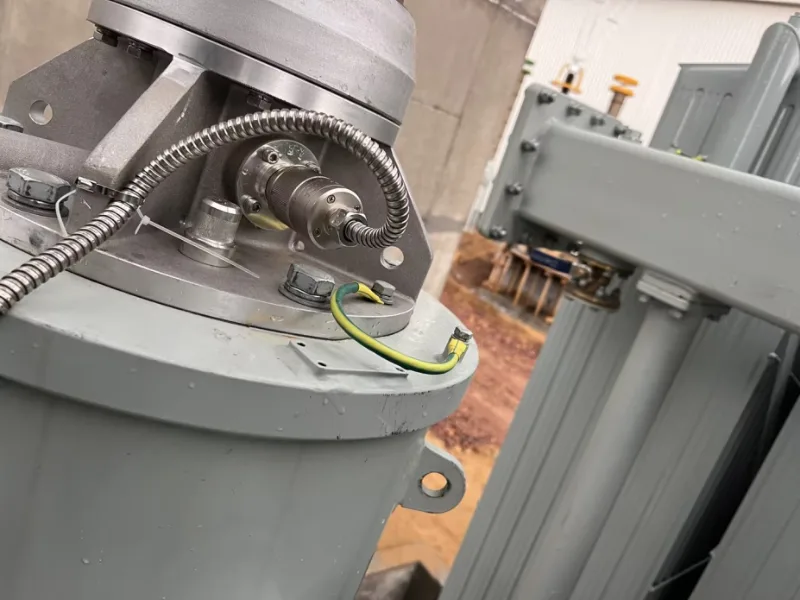
Bushings form the key connection between a transformer's internal insulation system and the external high-voltage network, which puts them under continuous dielectric stress.
- Insulation degradation
- Нестандартное поведение диэлектрика
- Capacitance changes
- Нарушения в области тока утечки
- Developing bushing faults
On-Load Tap Changer Condition Monitoring
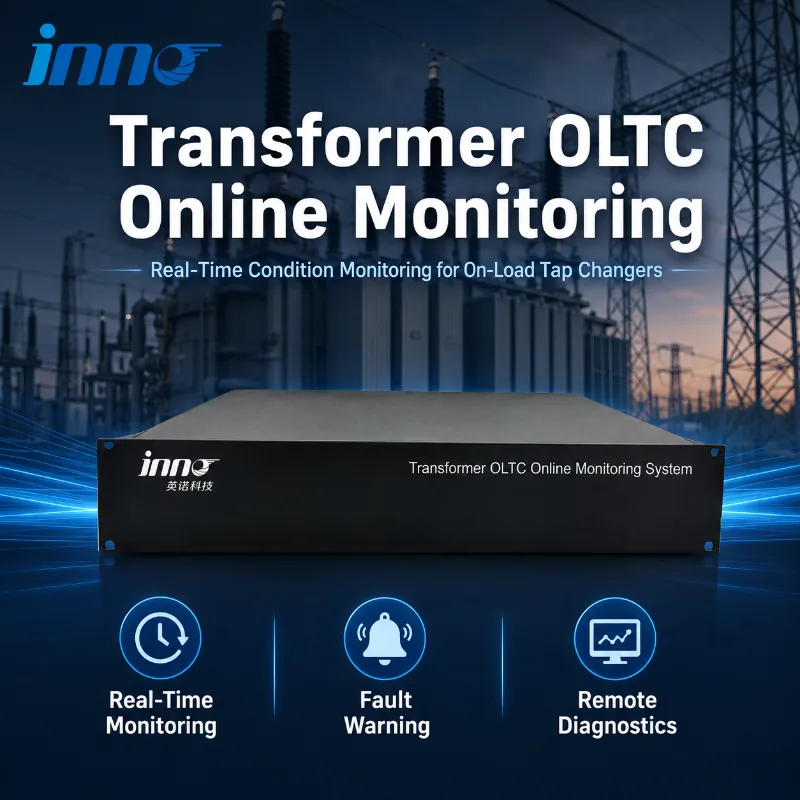
The OLTC combines mechanical switching action with electrical contact behavior, making it one of the most operationally active parts of a power transformer.
- Операция переключения
- Состояние контакта
- Приводной механизм
- Mechanical abnormalities
- Electrical abnormalities
- Operating trend
Oil Level, Pressure and Cooling System Monitoring
Transformer reliability depends not only on the winding and insulation system, but also on the condition of its oil preservation and cooling equipment.
Oil Preservation
- Oil level
- Давление
- Abnormal oil loss indication
Система охлаждения
- Fans
- Pumps
- Radiators
- Cooling stage status
Thermal Condition
- Top oil temperature
- Эффективность охлаждения
Transformer Faults and the Monitoring Methods That Help Detect Them
| Transformer Risk | Relevant Monitoring Method |
|---|---|
| Winding overheating | Winding temperature / hot spot monitoring can help identify it |
| Internal thermal fault | DGA combined with temperature monitoring provides supporting indication |
| Износ теплоизоляции | Partial discharge monitoring combined with DGA can support assessment |
| Bushing degradation | Bushing condition monitoring provides relevant indication |
| OLTC abnormality | OLTC condition monitoring helps identify abnormal trends |
| Cooling failure | Temperature monitoring combined with fan / pump monitoring helps identify it |
| Abnormal oil level | Oil level monitoring provides direct indication |
| Abnormal tank pressure | Pressure monitoring provides direct indication |
No monitoring method can diagnose a fault with certainty on its own — each provides an indication or trend that helps assessment, and results should be interpreted together with site inspection and maintenance judgment.
Integrated Power Transformer Monitoring Architecture
A complete monitoring data chain typically flows from the transformer itself, through sensing and acquisition, to a communication layer, and finally into a control or monitoring platform.
Different projects can select different monitoring combinations depending on existing instrumentation, existing sensors, transformer type and the connected control system. A monitoring configuration can be built around the actual risk points of each transformer — it is not necessary for every project to install a complete, all-inclusive monitoring system.
Power Transformer Monitoring Across Different Operating Environments
Substation Power Transformers
In transmission and distribution substations, the main power transformer is a critical asset — monitoring supports early fault detection and helps keep it in reliable service.
Explore Substations →Генераторные повышающие трансформаторы
Generator step-up transformers connect generation directly to the grid, so winding temperature, insulation condition and overall operating reliability are usually high priorities.
Explore Power Generation →Industrial Power Transformers
Steel, petrochemical, mining and other large industrial facilities depend on their critical power transformers staying in service, making condition monitoring part of production reliability.
Explore Oil & Gas →Renewable Energy Main Transformers
Main step-up transformers in wind, solar and energy storage systems operate under variable loading, where condition monitoring supports proactive maintenance planning.
Explore Renewable Energy →Recommended Power Transformer Monitoring Products
A closer look at the products behind the monitoring functions above — winding and oil temperature indicators, fiber optic temperature sensors, DGA, partial discharge, bushing and OLTC monitoring systems.
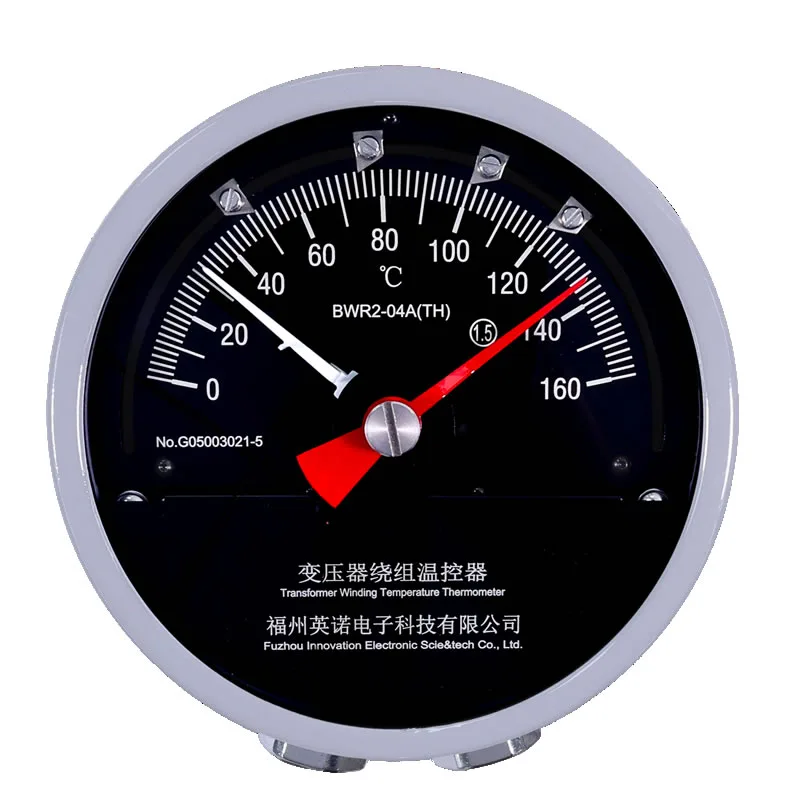
BWR2 Winding Temperature Indicator
WTI gauge for oil-immersed transformer winding temperature indication, cooling control, alarm output and trip protection.
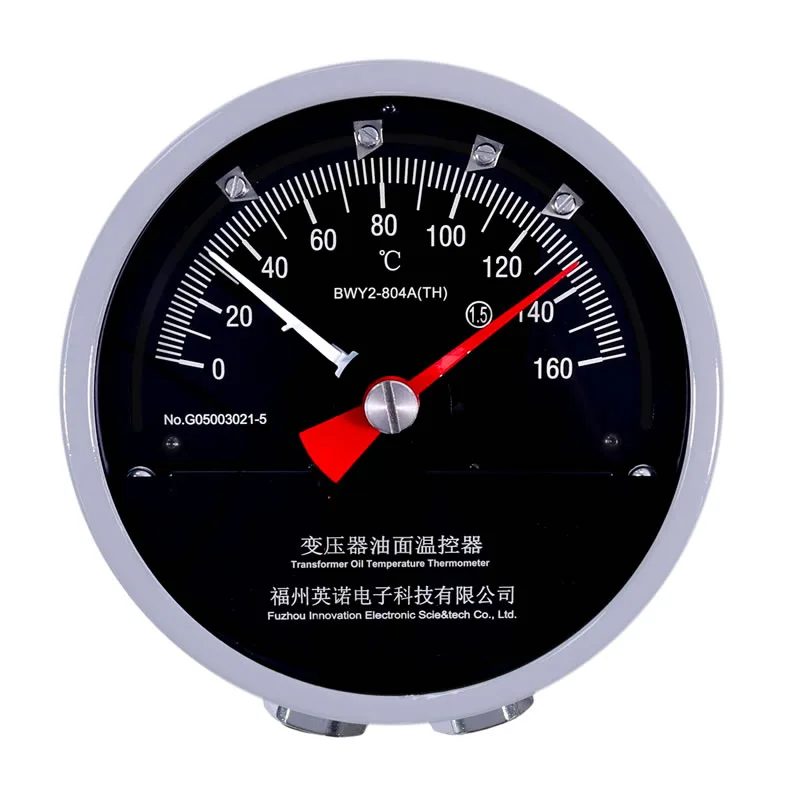
BWY2 Oil Temperature Indicator
OTI gauge for oil-immersed transformer oil temperature indication, cooling control and over-temperature alarm output.
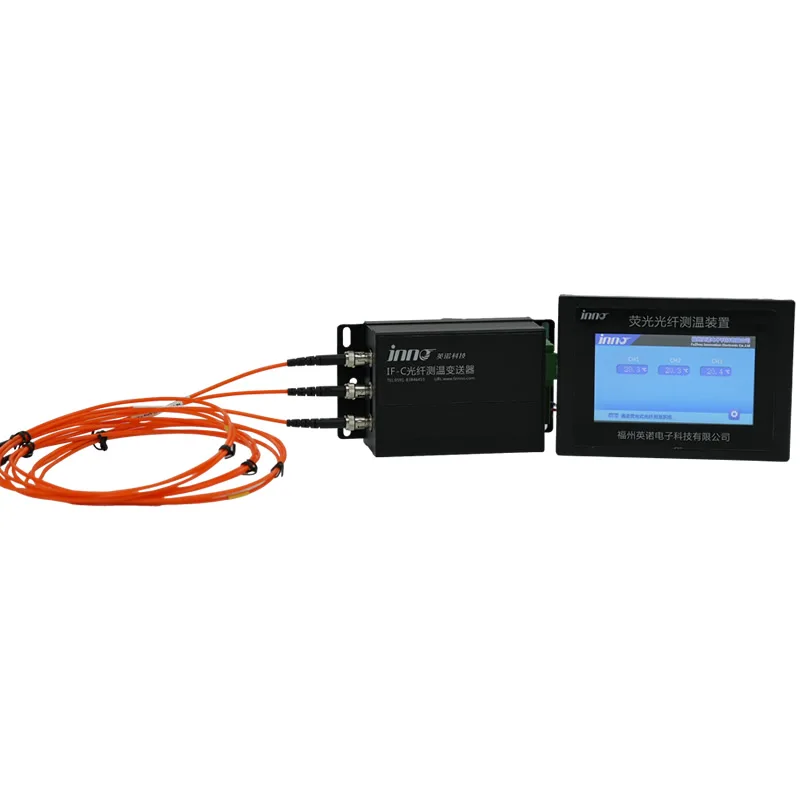
3-Channel Fiber Optic Temperature Transmitter
Fluorescent point-type sensing matched to three-phase winding hot-spot monitoring, with RS485 output for SCADA / DCS integration.
Система онлайн-мониторинга DGA
Transformer oil dissolved gas analysis device for fault gas detection, oil chromatography monitoring and early insulation fault warning.
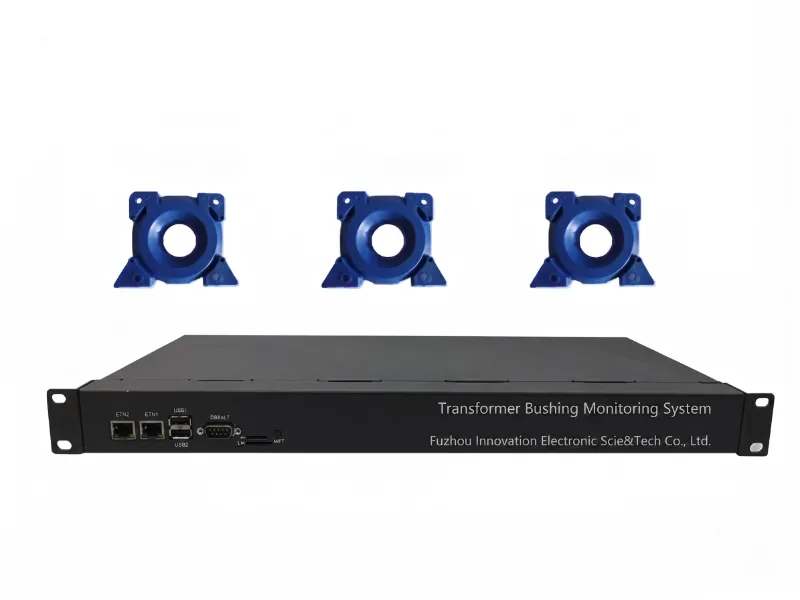
Система мониторинга проходных изоляторов трансформатора
Online bushing insulation and partial discharge monitoring covering total current, capacitance, dielectric loss and PD.
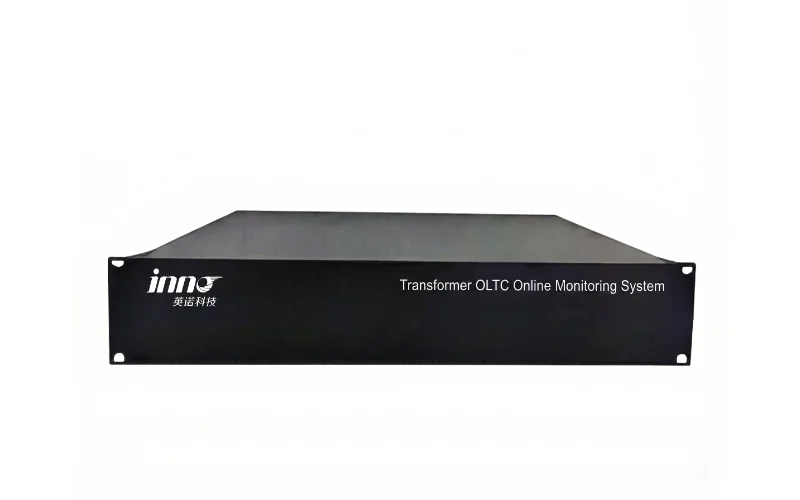
Система онлайн-мониторинга OLTC трансформатора
INNO-OLTC monitors tap changer current, temperature, vibration, torque and tap position, with fault warning and diagnostics.
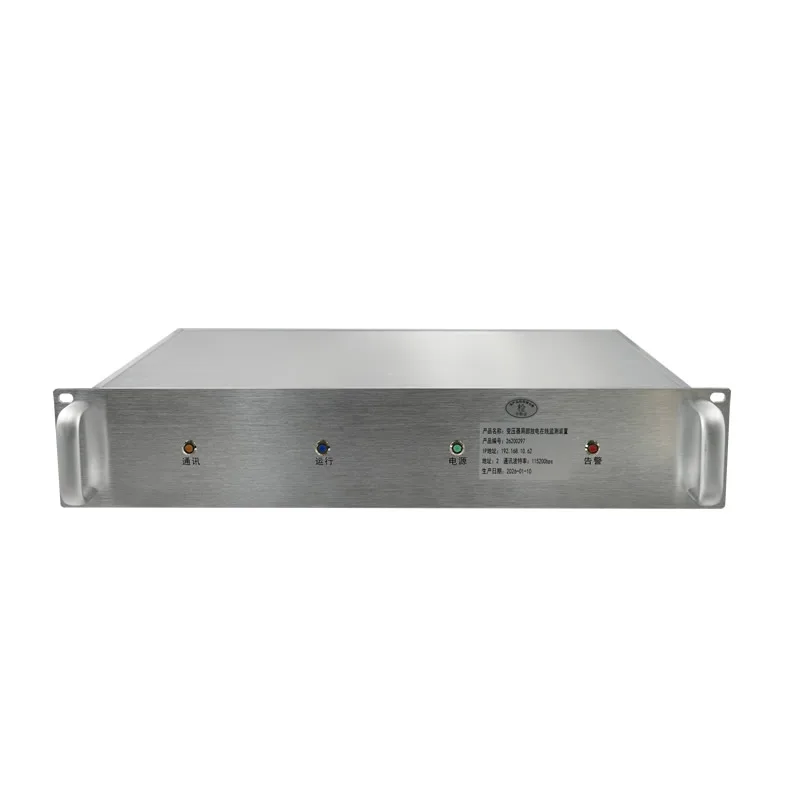
Система онлайн-мониторинга частичных разрядов
Continuous PD detection with UHF, HFCT and ultrasonic sensors, PRPD pattern analysis and alarm output for insulation condition monitoring.
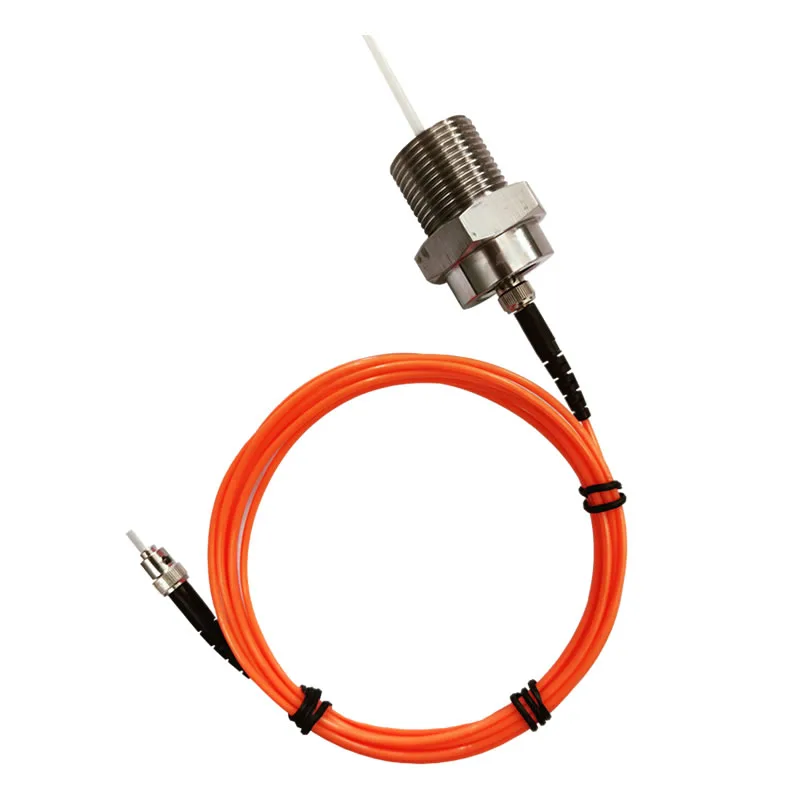
Бронированный оптоволоконный датчик температуры
Armored fiber optic temperature sensor for oil-immersed transformer winding hotspot measurement, with reinforced protection and oil compatibility.
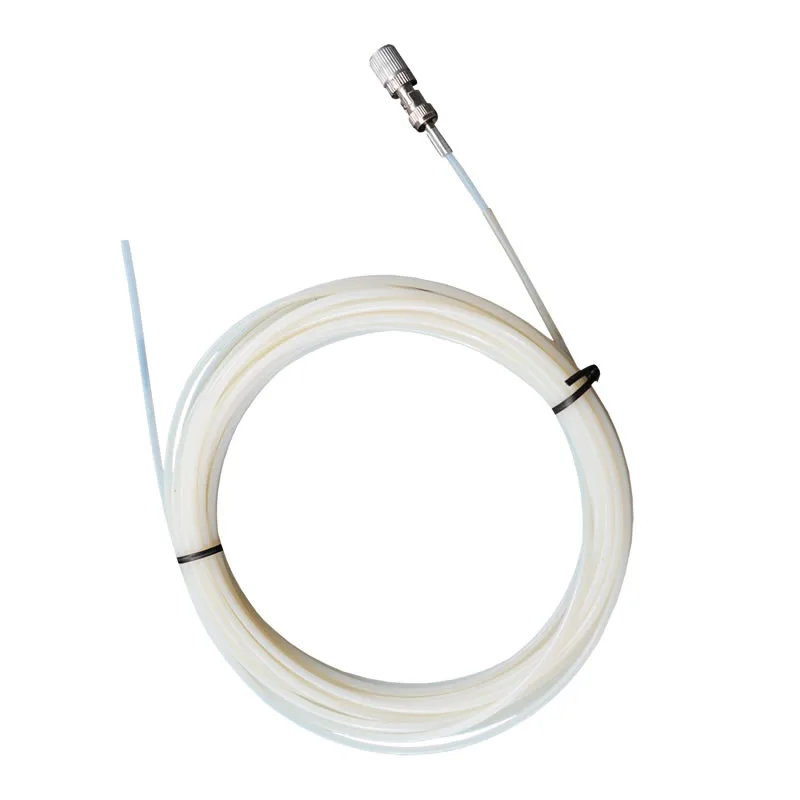
Polyimide Protected Fiber Optic Sensor
Flexible polyimide protected fiber optic probe for winding hotspot measurement, using lifetime-based fluorescent optical sensing.
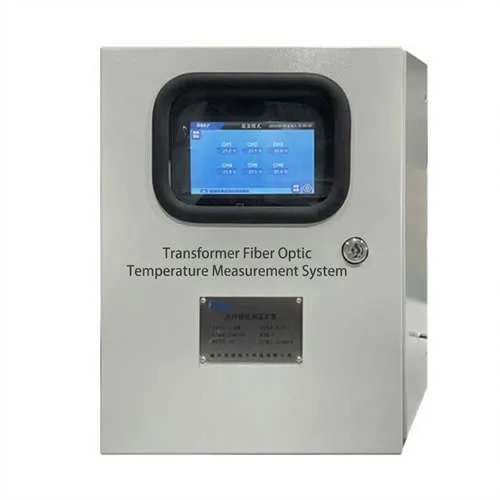
Система измерения температуры с использованием оптоволоконных датчиков
Fiber optic temperature measurement system for real-time winding hot spot detection in oil-immersed power transformers.
How to Select a Power Transformer Monitoring Configuration
There is no single fixed package that fits every transformer. Selection should be guided by factors such as:
- Тип трансформатора
- Уровень напряжения
- Transformer importance / criticality
- Условия загрузки
- Failure history
- Имеющиеся датчики
- Existing monitoring devices
- Обязательные параметры мониторинга
- Существующая система SCADA / система управления
- Стратегия технического обслуживания
Basic Operational Monitoring
Temperature, oil level, cooling and basic operating conditions.
Мониторинг состояния
Temperature combined with DGA and insulation-related monitoring.
Комплексный мониторинг состояния
Multiple transformer subsystems integrated according to project requirements.
These are configuration examples rather than fixed packages — the right combination depends on the specific transformer and project.
Power Transformer Monitoring FAQ
What parameters should be monitored on a power transformer?
Depending on the transformer's importance and operating environment, monitoring can cover winding and oil temperature, dissolved gases, partial discharge, bushing condition, OLTC condition, oil level, tank pressure and cooling system status.
Is temperature monitoring enough to assess transformer condition?
Temperature is a useful and common indicator, but it reflects thermal condition only. Insulation, discharge activity, bushing and OLTC condition require their own dedicated monitoring methods for a fuller picture.
В чём заключается разница между DGA и мониторингом частичных разрядов?
DGA tracks fault-related gases dissolved in the transformer oil over time. Partial discharge monitoring tracks electrical discharge activity directly in the insulation system. The two methods look at different physical evidence and are often used together.
Why should transformer bushings be monitored?
Bushings sit at the boundary between the transformer's internal insulation and the external high-voltage network, and they can develop insulation degradation or leakage current abnormalities over time — issues that dedicated bushing monitoring can help track.
Why is OLTC condition monitoring important?
The OLTC combines mechanical switching with electrical contact behavior, and it operates far more frequently than most other transformer components, making it a common source of developing mechanical or electrical abnormalities.
Can an existing transformer be upgraded with online monitoring?
In many cases, yes. The feasible scope depends on the transformer's existing structure, available installation points and access for sensors — this is usually confirmed during a project review.
Можно ли подключить имеющиеся датчики трансформатора?
Existing sensors and instrumentation can often be incorporated into an online monitoring configuration, depending on their signal type and compatibility with the monitoring platform.
Можно ли подключить данные мониторинга трансформаторов к системе SCADA?
Yes. Our monitoring products generally support standard communication interfaces such as Modbus or DL/T860 for integration with SCADA, substation automation or transformer monitoring platforms.
Does every transformer need the same monitoring configuration?
No. Configuration should reflect each transformer's importance, operating environment, failure history and existing instrumentation — see the selection guide above for the main factors to consider.
How do I select the right monitoring functions for my transformer?
Start from the transformer's risk points and maintenance priorities, then work through the selection factors above. Our team can help match your requirements to a suitable monitoring configuration.
Build the Right Monitoring Configuration for Your Power Transformer
Different transformers have different monitoring priorities. The monitoring architecture should be selected according to transformer type, operating importance, existing instrumentation, risk points and required system integration.