

Überhitzung von Transformatoren: Ursachen, Anzeichen, Folgen, Vorbeugung und Ratgeber von Experten
Veröffentlichungsdatum:24. Juli 2026, 10:46:19 Uhr
Transformer overheating is a common thermal problem that can affect transformer reliability, insulation life, and long-term operating performance. When transformer temperature exceeds the normal operating range, continuous thermal stress may damage internal components and increase the risk of failure.
Understanding the causes, symptoms, effects, and prevention methods of transformer overheating helps engineers and operators identify abnormal conditions early and take effective corrective actions.
- Transformer overheating is mainly caused by excessive loading, cooling system problems, insulation aging, high ambient temperature, and abnormal operating conditions.
- Common overheating symptoms include abnormal temperature rise, high oil temperature, increased winding temperature, cooling system problems, and temperature alarms.
- Long-term overheating accelerates insulation aging, reduces transformer service life, and increases maintenance requirements.
- Transformer thermal conditions can be evaluated through oil temperature indicators, winding temperature indicators, and fiber optic temperature measurement technologies.
- Proper temperature assessment and preventive maintenance help reduce overheating risks and improve transformer reliability.
What Is Transformer Overheating and Why Does It Happen?
Transformer overheating refers to a condition where the operating temperature of a transformer exceeds its designed thermal limits. During normal operation, transformers naturally generate heat because electrical energy losses are converted into thermal energy.
The main heat sources inside a transformer include winding losses, core losses, and load-related losses. A properly designed cooling system transfers heat away from internal components and maintains a stable operating temperature.
When heat generation becomes higher than the cooling capability, transformer temperature continues to increase. Excessive temperature creates thermal stress on insulation materials, windings, transformer oil, and other internal components.
Transformer overheating is usually caused by a combination of factors rather than one single problem. High loading, poor cooling performance, aging components, and environmental conditions may work together and create abnormal temperature rise.
Normal Transformer Heating vs Abnormal Overheating
| Condition | Beschreibung |
|---|---|
| Normal Operating Temperature | Heat generated during operation is balanced by the transformer cooling system. |
| Temporary Temperature Increase | Short-term temperature rise caused by temporary load changes or environmental conditions. |
| Abnormal Overheating | Continuous temperature increase caused by excessive heat generation or insufficient heat dissipation. |
Early identification of transformer overheating is important because thermal problems usually develop gradually. Detecting abnormal temperature changes before severe damage occurs can significantly improve transformer reliability.
Main Causes of Transformer Overheating
Transformer overheating can result from electrical stress, cooling problems, insulation deterioration, environmental conditions, and insufficient maintenance. Understanding the root causes helps operators develop effective prevention strategies.
Transformer Overloading
Transformer overload is one of the most common reasons for excessive temperature rise. When a transformer operates above its rated capacity, the current flowing through the windings increases.
Higher current produces additional copper losses inside the winding. These losses generate more heat and increase winding temperature. If overload conditions continue for a long period, insulation aging can accelerate significantly.
| Overload Condition | Thermal Impact |
|---|---|
| Short-Term Overload | Temporary temperature increase depending on transformer design and operating conditions. |
| Repeated Overload | Accelerated insulation aging and increased thermal stress. |
| Dauerüberlastung | High temperature operation and reduced transformer lifetime. |
Cooling System Problems
Transformer cooling systems play an important role in maintaining normal operating temperature. If cooling performance decreases, generated heat cannot be effectively removed from the transformer.
Common cooling-related problems include:
- Cooling fan failure
- Blocked radiators
- Poor oil circulation
- Insufficient cooling capacity
- Improper cooling system operation
Cooling system problems can cause temperature to rise even when transformer loading remains within normal limits. Regular inspection of cooling components is therefore an important part of transformer maintenance.
Alterung der Isolierung
Transformer insulation materials naturally deteriorate over time. Temperature is one of the most important factors affecting insulation aging speed.
When transformers operate under excessive temperature conditions, insulation materials experience increased thermal stress. This reduces insulation strength and may shorten transformer service life.
Hohe Umgebungstemperatur
Environmental temperature also affects transformer thermal performance. Transformers installed in hot environments have less ability to release heat, especially during peak load operation.
High ambient temperature combined with heavy loading can significantly increase transformer thermal stress.
Poor Maintenance Conditions
Insufficient maintenance may allow small thermal problems to develop into serious overheating conditions.
Regular inspection helps identify abnormal temperature changes, cooling problems, and component aging before they affect transformer operation.
Why Does Transformer Overload Cause Excessive Heat?
Transformer overload occurs when the electrical load exceeds the rated capacity of the transformer. Under overload conditions, the current flowing through transformer windings increases and creates additional heat.
The relationship between current and heat generation means that even a moderate increase in load can significantly increase winding temperature. This additional thermal stress affects insulation materials and may reduce transformer operating life.
How Does Overload Increase Transformer Temperature?
Transformer losses are mainly divided into core losses and winding losses. Winding losses increase with the square of the current, which means higher load current can create much greater heat generation.
| Lastbedingung | Temperature Effect |
|---|---|
| Normal Load Operation | Transformer operates within the designed thermal range. |
| High Load Operation | Increased winding temperature and higher thermal stress. |
| Überlastbetrieb | Excessive heat generation and accelerated insulation aging. |
Why Is Continuous Overload Dangerous?
Temporary overload may be acceptable depending on transformer design and operating conditions. However, continuous overload creates long-term thermal stress that can damage insulation systems.
The main risks of continuous overload include:
- Higher winding temperature
- Accelerated insulation deterioration
- Reduced transformer service life
- Increased maintenance requirements
Cooling System Failures That Increase Transformer Temperature
A transformer cooling system is designed to transfer heat away from internal components. When cooling performance decreases, transformer temperature can rise rapidly.
Cooling problems are among the most common causes of abnormal transformer temperature increase.
Cooling Fan Failure
Cooling fans provide airflow to improve heat dissipation. When fans stop working or operate inefficiently, the transformer may not be able to remove heat effectively.
Fan problems may result from motor failure, electrical faults, mechanical damage, or insufficient maintenance.
Radiator Problems
Transformer radiators increase the surface area available for heat transfer. Blocked or damaged radiators reduce cooling efficiency and may cause higher oil temperature.
Mangelhafte Ölzirkulation
In oil-immersed transformers, transformer oil transfers heat from internal components to cooling surfaces. Poor oil circulation reduces heat transfer efficiency and may create abnormal temperature distribution.
| Cooling Problem | Mögliches Ergebnis |
|---|---|
| Fan Failure | Reduced airflow and increased transformer temperature. |
| Radiator Blockage | Lower heat dissipation capability. |
| Mangelhafte Ölzirkulation | Uneven temperature distribution inside transformer. |
How Does Insulation Aging Affect Transformer Heating?
Transformer insulation is one of the most important components determining transformer reliability. However, insulation materials gradually deteriorate during operation, and excessive temperature accelerates this aging process.
High temperature causes chemical changes in insulation materials, reducing their mechanical strength and electrical performance.
Relationship Between Temperature and Insulation Life
The higher the operating temperature, the faster insulation degradation occurs. Therefore, maintaining proper transformer temperature is essential for extending equipment lifetime.
| Temperature Condition | Impact on Insulation |
|---|---|
| Normal Temperature Range | Insulation operates within expected lifetime conditions. |
| Frequent High Temperature | Accelerated insulation aging process. |
| Severe Overheating | Potential insulation damage and reduced reliability. |
Which Transformer Components Are Most Affected by Overheating?
Excessive transformer temperature affects multiple components. Long-term overheating creates thermal stress throughout the transformer system and reduces overall reliability.
Transformer Windings
Transformer windings are among the most temperature-sensitive components. High winding temperature increases insulation stress and accelerates aging.
Insulation Materials
Insulation systems protect transformer windings and other electrical components. Continuous overheating reduces insulation strength and may increase failure risk.
Transformatoröl
Transformer oil provides insulation and heat transfer functions in oil-immersed transformers. Excessive temperature can accelerate oil aging and reduce cooling performance.
Cooling Components
Cooling equipment operates under thermal stress during high temperature conditions. Long-term overheating can affect cooling system reliability.
| Komponente | Effect of Overheating |
|---|---|
| Windings | Higher thermal stress and faster insulation aging. |
| Insulation | Reduced mechanical and electrical strength. |
| Transformatoröl | Accelerated aging and reduced cooling performance. |
| Kühlsystem | Reduced heat dissipation reliability. |
What Are the Common Symptoms of Transformer Overheating?
Early detection of overheating symptoms allows operators to take corrective actions before serious transformer damage occurs.
Abnormally High Temperature Reading
A continuous increase in transformer temperature is one of the earliest indicators of thermal problems. Temperature values from oil temperature indicators or winding temperature indicators can help identify abnormal conditions.
High Oil Temperature
Abnormally high oil temperature may indicate excessive heat generation, cooling problems, or increased operating load.
Frequent Cooling Operation
When cooling fans operate more frequently than normal, it may indicate that the transformer is experiencing increased thermal load.
Temperature Alarm Activation
Many transformers include temperature alarms that activate when operating temperature exceeds preset limits.
| Symptom | Mögliche Ursache |
|---|---|
| High Temperature Reading | Excessive heat generation or insufficient cooling. |
| High Oil Temperature | Cooling problem or increased load condition. |
| Temperature Alarm | Operating temperature exceeds safety limit. |
Transformer Temperature Rise and Thermal Stress
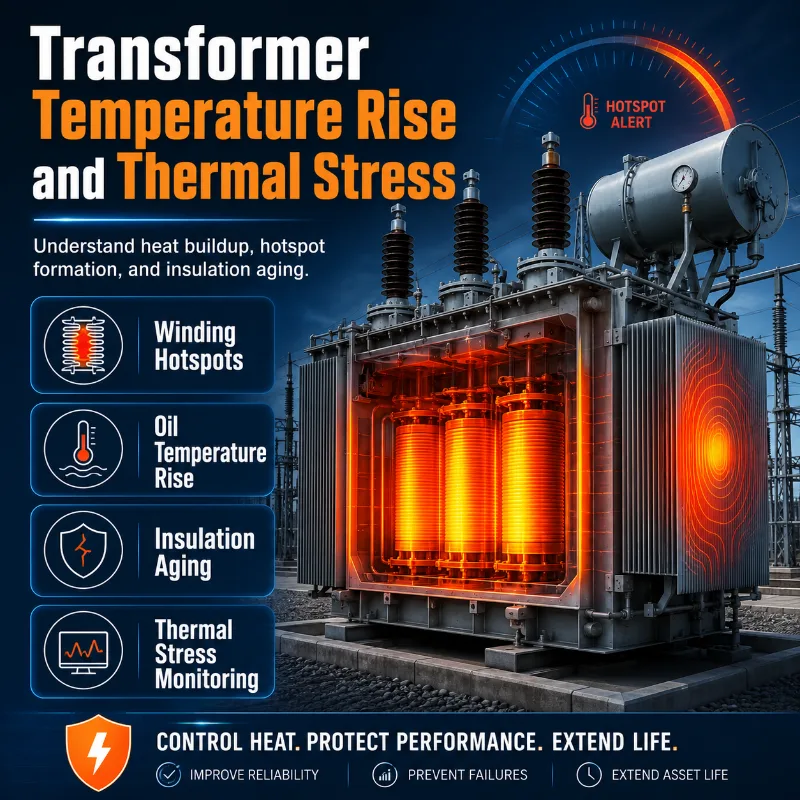
Transformer temperature rise refers to the increase in transformer temperature compared with the surrounding ambient temperature during operation.
Temperature rise is an important parameter because it directly affects transformer thermal stress, insulation aging, and equipment lifetime. Every transformer has a designed temperature rise limit based on its structure, insulation system, and cooling method.
Factors Affecting Transformer Temperature Rise
Several factors influence transformer temperature rise during operation, including load current, ambient temperature, cooling efficiency, and transformer design.
| Factor | Influence on Temperature Rise |
|---|---|
| Load Current | Higher current increases winding losses and heat generation. |
| Umgebungstemperatur | Higher environmental temperature reduces cooling capability. |
| Cooling Performance | Poor heat dissipation increases internal temperature. |
| Transformer Design | Different structures have different thermal characteristics. |
Why Is Transformer Temperature Rise Important?
Monitoring temperature rise helps engineers understand whether a transformer is operating within a safe thermal range.
Excessive temperature rise indicates that the transformer may be experiencing abnormal thermal stress. Continuous monitoring helps identify problems before they cause insulation damage or unexpected shutdowns.
What Is Transformer Hot Spot Temperature?
Transformer hot spot temperature refers to the highest temperature point inside the transformer winding. This location usually experiences the greatest thermal stress and has the strongest influence on insulation aging.
The winding hot spot temperature is generally higher than the average transformer oil temperature because heat generation inside windings is affected by electrical losses and current distribution.
Why Is Hot Spot Temperature Important?
The hot spot temperature is one of the most important thermal indicators for evaluating transformer reliability because insulation aging is strongly related to the highest operating temperature.
- Helps evaluate winding thermal stress.
- Provides information about insulation aging conditions.
- Supports transformer maintenance decisions.
- Improves understanding of actual internal temperature conditions.
| Temperaturmessung | Hauptzweck |
|---|---|
| Öltemperatur | Evaluate overall transformer thermal condition. |
| Wicklungstemperatur | Assess winding operating condition. |
| Hot Spot Temperature | Identify the highest internal thermal stress point. |
Hot Spot Temperature and Transformer Lifetime
Because hot spot temperature directly affects insulation aging speed, accurate temperature assessment is important for large power transformers and critical electrical equipment.
Traditional temperature methods estimate winding temperature, while fiber optic temperature sensing can provide direct measurement closer to the actual hot spot location.
Effects of Long-Term Transformer Overheating
Long-term overheating gradually reduces transformer reliability. Unlike sudden failures, thermal damage usually develops over time and may remain unnoticed without proper temperature assessment.
Accelerated Insulation Aging
High temperature accelerates the deterioration of insulation materials. As insulation becomes weaker, the transformer becomes more vulnerable to electrical and mechanical stress.
Reduced Transformer Service Life
Transformer lifetime is closely related to operating temperature. Continuous operation under excessive temperature conditions can significantly reduce expected service life.
Increased Maintenance Requirements
Transformers affected by repeated overheating may require more frequent inspections and maintenance activities.
Higher Risk of Unexpected Failure
If overheating problems are not identified and corrected, thermal stress may eventually contribute to serious transformer failures.
| Overheating Effect | Mögliches Ergebnis |
|---|---|
| Insulation Degradation | Reduced insulation reliability. |
| Thermische Belastung | Increased possibility of component damage. |
| Component Aging | Higher maintenance requirements. |
| Continuous High Temperature | Reduced transformer lifetime. |
How Is Transformer Temperature Measured?
Transformer temperature can be measured using different technologies depending on the transformer type, application requirements, and measurement objectives.
Traditional temperature measurement methods include Oil Temperature Indicators (OTI) and Winding Temperature Indicators (WTI). For applications requiring direct hot spot measurement, fiber optic temperature sensing provides another solution.
Oil Temperature Indicator (OTI)
An Oil Temperature Indicator measures transformer oil temperature and provides information about the overall thermal condition of oil-immersed transformers.
Wicklungstemperaturanzeige (WTI)
A Winding Temperature Indicator evaluates transformer winding temperature, which is an important factor affecting insulation aging.
Glasfaser-Temperatursensor
Fiber optic temperature sensors provide direct temperature measurement using optical signals. They are suitable for applications where electrical insulation and electromagnetic immunity are important.
| Technology | Measurement Target | Main Application |
|---|---|---|
| OTI | Temperatur des Transformatoröls | Oil temperature evaluation |
| WTI | Winding temperature | Winding thermal assessment |
| Glasfaser-Temperatursensor | Temperatur am Hotspot | Direct internal temperature measurement |
What Is an Oil Temperature Indicator (OTI)?
An Oil Temperature Indicator (OTI) is a temperature measurement device commonly used on oil-immersed transformers to monitor transformer oil temperature.
Transformer oil plays an important role in both insulation and heat transfer. Monitoring oil temperature helps operators understand the overall thermal condition of the transformer and identify abnormal temperature changes.
How Does an Oil Temperature Indicator Work?
An oil temperature indicator uses a temperature sensing element installed in the transformer oil system. The measured temperature is displayed locally and can also provide alarm or control signals depending on transformer requirements.
| OTI Function | Beschreibung |
|---|---|
| Temperaturmessung | Measures transformer oil temperature during operation. |
| Temperaturanzeige | Provides operators with visual temperature information. |
| Alarmfunktion | Helps identify abnormal temperature conditions. |
Applications of Oil Temperature Indicators
Oil temperature indicators are widely used in oil-immersed transformer applications, including power transformers, industrial transformers, and distribution transformers.
- Ölgefüllte Leistungstransformatoren
- Substation transformers
- Industrial electrical transformers
- Distribution transformer applications
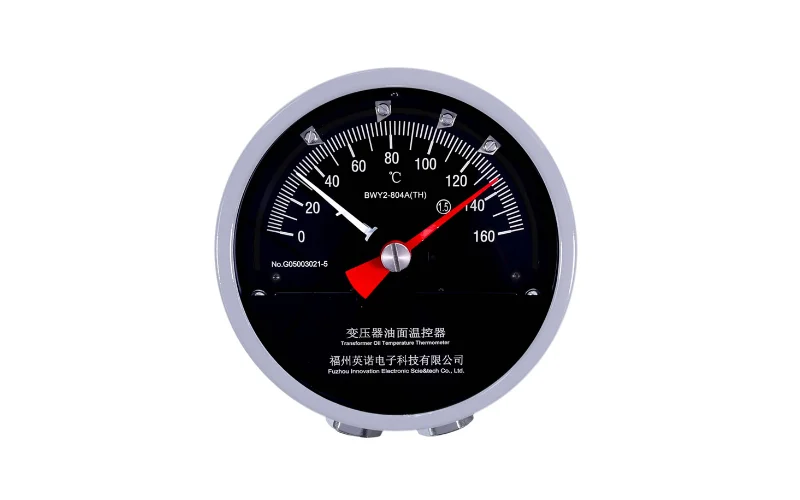
For transformer oil temperature measurement applications, INNOFZ provides
BWY2 Temperaturanzeige für Transformatoröl
designed for transformer oil temperature assessment.
How Does a Winding Temperature Indicator (WTI) Work?
A Winding Temperature Indicator (WTI) is designed to evaluate transformer winding temperature, which is one of the most important thermal parameters affecting transformer reliability.
The winding temperature is usually higher than oil temperature because windings generate heat during electrical operation. Therefore, monitoring winding temperature provides important information about transformer thermal stress.
Why Is Winding Temperature Monitoring Important?
Transformer windings are directly related to insulation aging. When winding temperature increases, insulation materials experience greater thermal stress.
- Helps evaluate winding operating conditions.
- Supports transformer thermal management.
- Helps prevent excessive temperature rise.
- Provides information for maintenance decisions.
Working Principle of Winding Temperature Indicator
Traditional winding temperature indicators estimate winding temperature based on transformer thermal characteristics and load conditions.
The system combines temperature measurement information with transformer operating conditions to represent the expected winding temperature.
| WTI Feature | Beschreibung |
|---|---|
| Measurement Target | Transformer winding temperature. |
| Hauptzweck | Evaluate winding thermal condition. |
| Anwendung | Power transformer temperature assessment. |
INNOFZ provides
BWR2-Anzeige für die Wicklungstemperatur des Transformators
for transformer winding temperature evaluation.
Fiber Optic Temperature Measurement for Transformer Hot Spots
Fiber optic temperature sensing technology provides a direct method for measuring transformer hot spot temperature. It is especially suitable for applications requiring accurate internal temperature information.
Unlike conventional electrical temperature sensors, fiber optic sensors use optical signals instead of electrical signals, providing excellent insulation characteristics and resistance to electromagnetic interference.
Why Are Fiber Optic Temperature Sensors Used in Transformers?
| Feature | Advantage |
|---|---|
| Electrical Insulation | Suitable for high voltage transformer environments. |
| Electromagnetic Immunity | Reliable operation in strong electromagnetic fields. |
| Direct Temperature Measurement | Provides information closer to the actual hot spot location. |
| Small Sensor Size | Suitable for installation near winding hot spots. |
Applications of Fiber Optic Temperature Measurement
Fiber optic temperature measurement is commonly used where traditional temperature measurement methods may not provide enough accuracy or reliability.
- High voltage transformers
- Oil-immersed transformer winding hot spot measurement
- Critical power transformer applications
- Transformer thermal performance evaluation
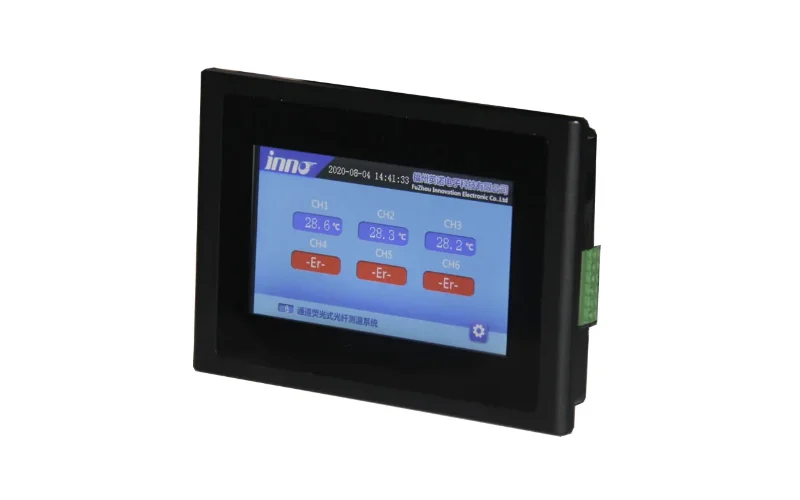
INNOFZ provides fiber optic temperature sensing solutions including:
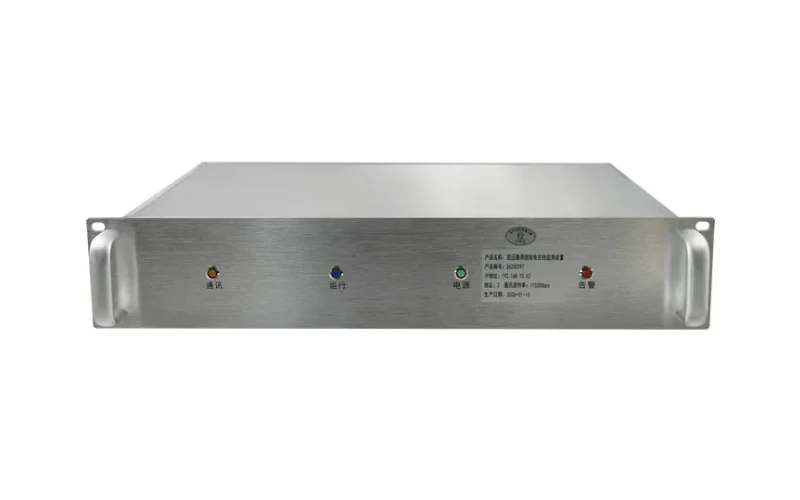
Glasfaser-Temperatursensor zur Überwachung von Hotspots in Transformatorwicklungen
und
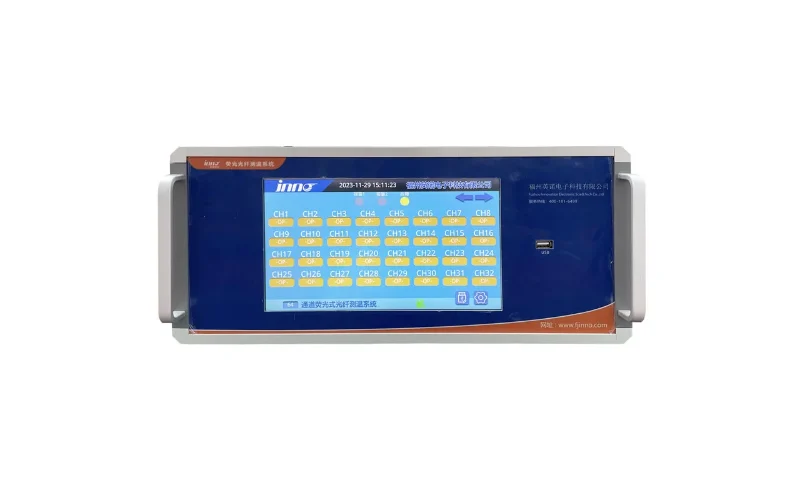
Glasfaser-Temperaturmesssystem für Öltransformatoren
WTI, OTI and Fiber Optic Temperature Sensor Comparison
OTI, WTI, and fiber optic temperature sensors are designed for different transformer temperature measurement requirements. Selecting the correct technology depends on the measurement purpose and required accuracy.
| Vergleichsobjekt | OTI | WTI | Glasfaser-Temperatursensor |
|---|---|---|---|
| Measurement Target | Temperatur des Transformatoröls | Winding temperature | Direct hot spot temperature |
| Measurement Method | Temperature sensing element | Thermal calculation based on operating conditions | Optical temperature sensing technology |
| Main Application | Overall oil temperature evaluation | Winding thermal condition assessment | Internal hot spot measurement |
| High Voltage Application | Common application | Common application | Excellent suitability |
| Hot Spot Measurement | Indirect | Estimated | Direct measurement |
| Electromagnetic Immunity | Normal | Normal | Excellent |
OTI, WTI, and fiber optic temperature sensing technologies are complementary solutions. OTI is suitable for oil temperature observation, WTI provides winding temperature evaluation, and fiber optic sensing offers direct hot spot measurement capability.
How to Inspect and Diagnose Transformer Overheating Problems?
Early inspection is important for identifying transformer overheating before it causes permanent damage. A complete diagnosis should not only check temperature values but also analyze operating conditions, cooling performance, and historical temperature changes.
Transformer overheating diagnosis usually combines temperature measurement, load condition analysis, cooling system inspection, and maintenance records.
Temperature Data Analysis
Temperature data provides important information about transformer operating conditions. Changes in oil temperature, winding temperature, and hot spot temperature can indicate developing thermal problems.
Load Condition Evaluation
Transformer temperature is closely related to load conditions. Checking operating current and load variations helps determine whether overheating is caused by excessive loading.
Cooling System Examination
Cooling fans, radiators, and oil circulation systems should be inspected when abnormal temperature rise occurs. Poor heat dissipation is one of the common reasons for transformer overheating.
| Inspection Method | Zweck |
|---|---|
| Temperaturmessung | Identify abnormal thermal conditions. |
| Load Analysis | Determine whether overload contributes to overheating. |
| Cooling System Inspection | Check heat dissipation capability. |
| Historical Data Review | Identify long-term temperature trends. |
Methods for Preventing Transformer Overheating
Preventing transformer overheating requires proper operation, regular maintenance, and accurate temperature assessment. Effective thermal management can extend transformer lifetime and improve operational reliability.
Maintain Proper Transformer Loading
Avoiding continuous operation beyond rated capacity is one of the most effective ways to reduce excessive temperature rise.
Proper load management helps reduce winding losses and prevents unnecessary thermal stress on transformer insulation.
Maintain Cooling Equipment
Cooling fans, radiators, and oil circulation systems should be inspected regularly to ensure effective heat transfer.
A well-maintained cooling system helps maintain stable transformer temperature during normal and high-load operation.
Monitor Transformer Temperature Regularly
Regular temperature assessment helps operators identify abnormal conditions before overheating becomes severe.
Temperature monitoring provides important information about transformer thermal performance and supports preventive maintenance decisions.
Evaluate Transformer Hot Spot Conditions
Because hot spot temperature has a major influence on insulation aging, understanding internal thermal conditions is important for critical transformer applications.
| Präventionsmethode | Zweck |
|---|---|
| Lastmanagement | Reduce excessive heat generation. |
| Wartung der Kühlanlage | Improve heat dissipation performance. |
| Temperature Assessment | Detect abnormal thermal conditions. |
| Regelmäßige Inspektion | Prevent potential overheating problems. |
Modern Transformer Temperature Assessment Methods
With increasing requirements for transformer reliability, accurate temperature assessment has become an important part of transformer operation and maintenance.
Modern temperature assessment combines traditional temperature indicators with advanced sensing technologies to provide better understanding of transformer thermal conditions.
| Technology | Main Function | Suitable Application |
|---|---|---|
| Oil Temperature Indicator (OTI) | Measure transformer oil temperature. | Oil-immersed transformer applications. |
| Wicklungstemperaturanzeige (WTI) | Evaluate winding temperature. | Transformer winding thermal assessment. |
| Glasfaser-Temperatursensor | Direct hot spot temperature measurement. | High voltage transformer applications. |
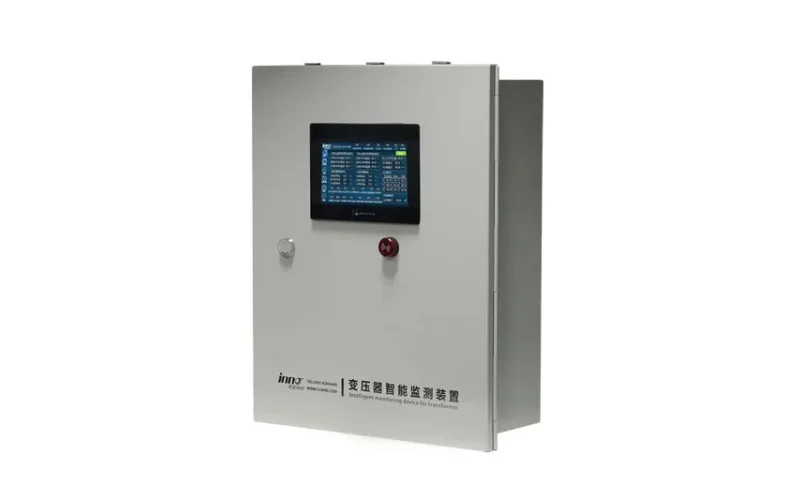
For customers requiring complete transformer temperature assessment, INNOFZ provides:
Temperaturüberwachungssystem für Transformatoren
This system helps users monitor transformer thermal conditions and improve understanding of operating temperature changes.
Transformer Overheating Prevention in Different Applications
Different transformer types have different thermal characteristics. The appropriate temperature measurement method depends on transformer structure, operating environment, and monitoring requirements.
Oil-Immersed Transformer Applications
Oil-immersed transformers commonly use oil temperature indicators and winding temperature indicators to evaluate operating conditions.
For applications requiring more accurate internal temperature information, fiber optic temperature sensing provides direct hot spot measurement capability.
Dry Type Transformer Applications
Dry type transformers require effective winding temperature control because they do not use transformer oil for cooling.
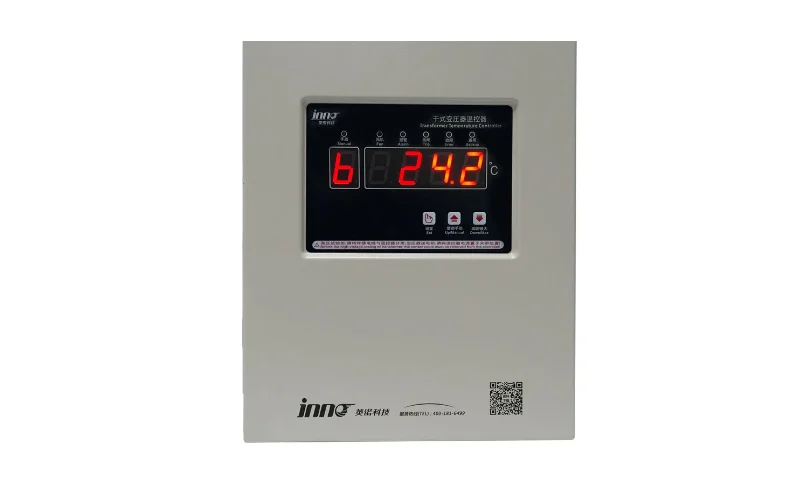
Temperature controllers are commonly used to monitor winding temperature and control cooling fans according to operating conditions.
INNOFZ provides dry type transformer temperature monitoring products including:
IB-S201 Temperaturüberwachungs- und -regelgerät für Trockentransformatoren
Power Transformer Applications
Large power transformers require accurate thermal evaluation because temperature directly affects insulation aging and operational reliability.
Combining suitable temperature measurement methods helps operators understand transformer thermal conditions and improve maintenance planning.
How to Choose the Right Temperature Measurement Method?
Selecting the correct transformer temperature measurement method depends on the transformer type, monitoring purpose, and required accuracy.
| Anforderung | Recommended Method |
|---|---|
| Basic oil temperature measurement | Oil Temperature Indicator (OTI) |
| Winding temperature evaluation | Wicklungstemperaturanzeige (WTI) |
| Direkte Hot-Spot-Messung | Fiber optic temperature sensing |
| Complete transformer temperature assessment | Lösung zur Temperaturüberwachung von Transformatoren |
The best temperature measurement method depends on the actual application requirements. Traditional indicators remain widely used for general transformer temperature assessment, while fiber optic sensing provides advantages for demanding high voltage and hot spot measurement applications.
INNOFZ provides transformer temperature measurement technologies including oil temperature indicators, winding temperature indicators, and fiber optic temperature sensing solutions for different transformer applications.
Fazit
Transformer overheating is a critical factor affecting transformer reliability, insulation lifetime, and operational safety. Excessive temperature caused by overload, cooling problems, insulation aging, and abnormal operating conditions can gradually damage transformer components.
Understanding overheating causes, symptoms, effects, and prevention methods helps engineers and operators identify thermal problems early and take effective actions.
Different temperature measurement technologies provide different solutions for evaluating transformer thermal conditions. Oil Temperature Indicators (OTI) are suitable for oil temperature measurement, Winding Temperature Indicators (WTI) help evaluate winding thermal conditions, and fiber optic temperature sensors provide direct hot spot measurement capability.
INNOFZ provides transformer temperature measurement technologies for oil-immersed transformers, dry type transformers, and high voltage transformer applications, helping customers improve temperature visibility and operational reliability.
Frequently Asked Questions About Transformer Overheating
What causes a transformer to overheat?
Transformer overheating is mainly caused by overload operation, cooling system failures, insulation aging, high ambient temperature, and insufficient maintenance. These factors increase heat generation or reduce heat dissipation capability.
How do you know if a transformer is overheating?
Common signs of transformer overheating include abnormal temperature rise, high oil temperature, increased winding temperature, frequent cooling operation, and temperature alarms.
Why is transformer overheating dangerous?
Excessive temperature accelerates insulation aging, reduces transformer service life, increases maintenance requirements, and may increase the risk of unexpected failure.
What is transformer hot spot temperature?
Transformer hot spot temperature is the highest temperature point inside transformer windings. It is an important factor affecting insulation aging and transformer lifetime.
How is transformer hot spot temperature measured?
Hot spot temperature can be evaluated using winding temperature indicators or measured directly using fiber optic temperature sensors installed near winding hot spot areas.
What is the difference between OTI and WTI?
OTI measures transformer oil temperature, while WTI evaluates transformer winding temperature. OTI provides information about overall oil thermal conditions, while WTI focuses on winding thermal performance.
Why are fiber optic temperature sensors used in transformers?
Fiber optic temperature sensors provide electrical insulation, electromagnetic immunity, and direct temperature measurement capability, making them suitable for high voltage transformer applications.
Can transformer overheating be prevented?
Yes. Proper load management, cooling system maintenance, regular inspection, and accurate temperature assessment can help prevent transformer overheating.
Which temperature measurement method is best for transformers?
The best method depends on application requirements. OTI is suitable for oil temperature measurement, WTI is used for winding temperature evaluation, and fiber optic sensing is suitable for direct hot spot measurement.
Why is continuous transformer temperature assessment important?
Continuous temperature assessment helps identify abnormal thermal conditions early and supports preventive maintenance decisions.
Learn More About INNOFZ Transformer Temperature Solutions
Reliable transformer temperature assessment plays an important role in improving equipment reliability and reducing unexpected failures.
INNOFZ provides transformer temperature measurement solutions including oil temperature indicators, winding temperature indicators, and fiber optic temperature sensing technologies for different transformer applications.
Explore INNOFZ transformer temperature products and solutions: