
Überwachung von Transformatoren in Umspannwerken
Continuous monitoring of critical substation transformers across temperature, dissolved gases, partial discharge, bushings, OLTC, oil-system conditions and cooling performance.
Why Continuous Monitoring Matters in Substations
Substation transformers operate under continuous loading with limited tolerance for unplanned outages, so their condition needs to be visible at all times — not just during scheduled visits.
- ●Continuous loading
- ●Thermische Belastung
- ●Alterung der Isolierung
- ●Internal faults
- ●Cooling degradation
- ●Bushing deterioration
- ●OLTC abnormalities
- ●Remote / unattended substations
Periodic inspection provides only a snapshot, while online monitoring provides condition trends between inspections — see the broader picture in Überwachung von Leistungstransformatoren.
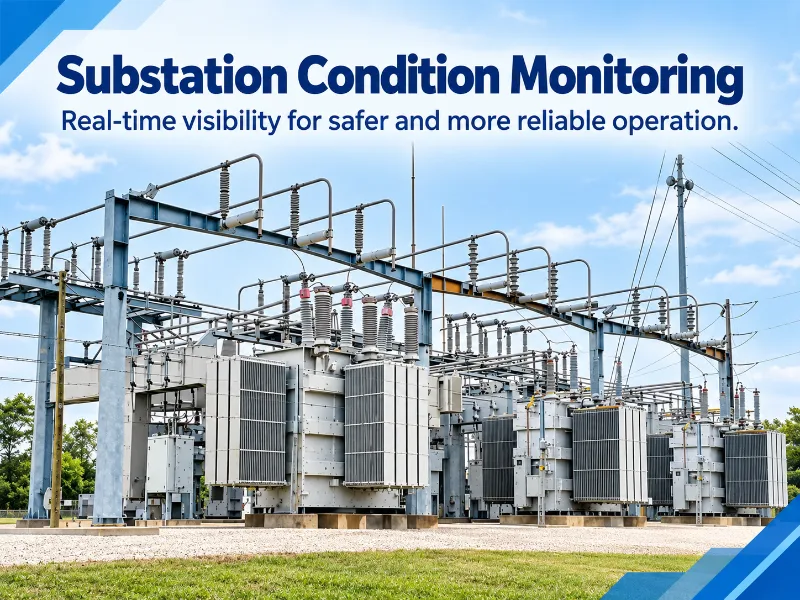
What Should Be Monitored on a Substation Transformer?
- ●Winding & Temperature — hot spot temperature, oil temperature, cooling performance.
- ●Transformatoröl — dissolved gas analysis, oil condition.
- ●Insulation — partial discharge.
- ●Buchsen — insulation condition.
- ●OLTC — operating condition.
- ●Tank & Zubehör — oil level, pressure, fans / pumps.
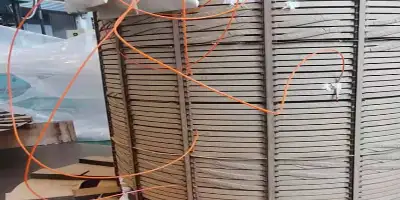
Monitor Thermal Stress Under Real Operating Load
Substation transformers can experience varying and sometimes high load conditions, making direct visibility into thermal behavior important for condition assessment.
- ●Winding hot spots
- ●Top-oil temperature
- ●Load-related temperature rise
- ●Kühlverhalten
- ●Temperature trends
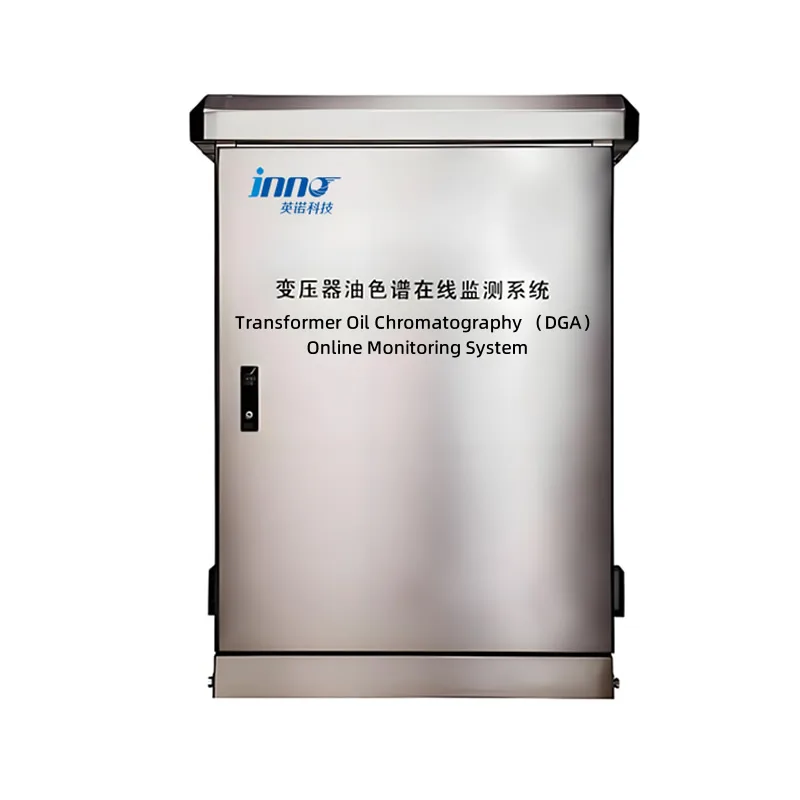
Dissolved Gas Monitoring for Developing Internal Faults
Changes in dissolved gas trends can provide chemical evidence of developing conditions inside an oil-filled substation transformer.
- ●Interne Überhitzung
- ●Electrical discharge
- ●Zersetzung der Isolierung
- ●Fault development trends
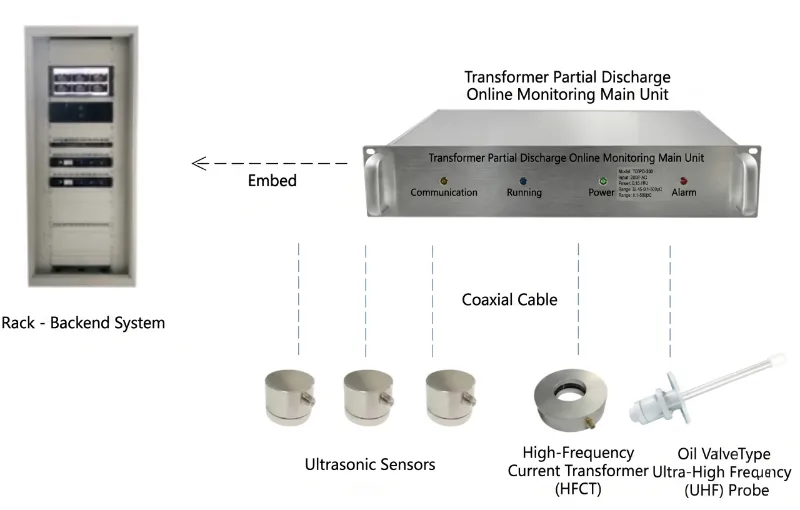
Partial Discharge Monitoring for Insulation Risk
Partial discharge activity can be associated with developing insulation defects inside the transformer's high-voltage structures.
- ●Entstehung von Dämmungsmängeln
- ●Discharge trends
- ●Early abnormality indication
- ●Condition assessment
Monitor Critical Transformer Components
Bushings and on-load tap changers can develop condition changes independently from the transformer winding and oil system. Dedicated online monitoring gives maintenance teams continuous trend information between scheduled inspections.
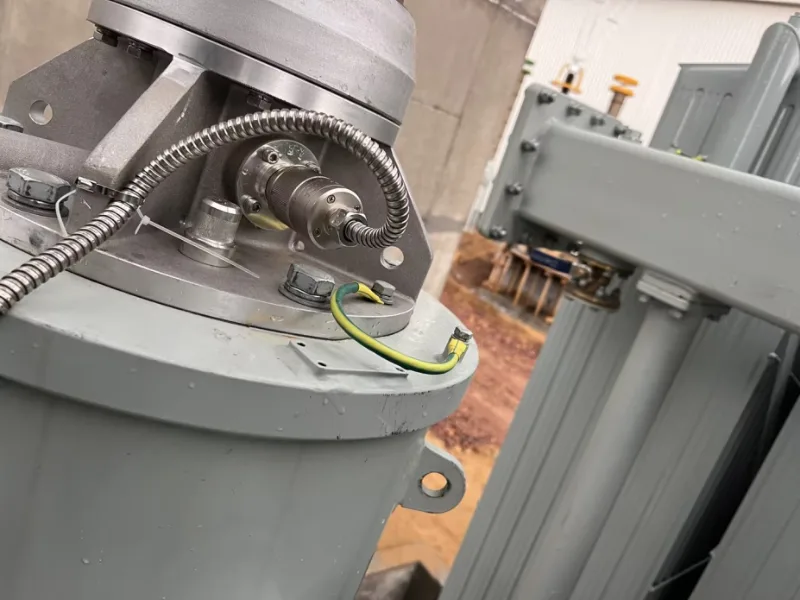
Buchsenüberwachung
Online bushing monitoring provides continuous visibility into high-voltage bushing insulation condition and helps identify developing electrical abnormalities between scheduled inspections.
- Capacitance and dielectric-condition trends
- Leakage-current monitoring
- Phase comparison and long-term trend review
- Monitoring-tap signal acquisition where applicable
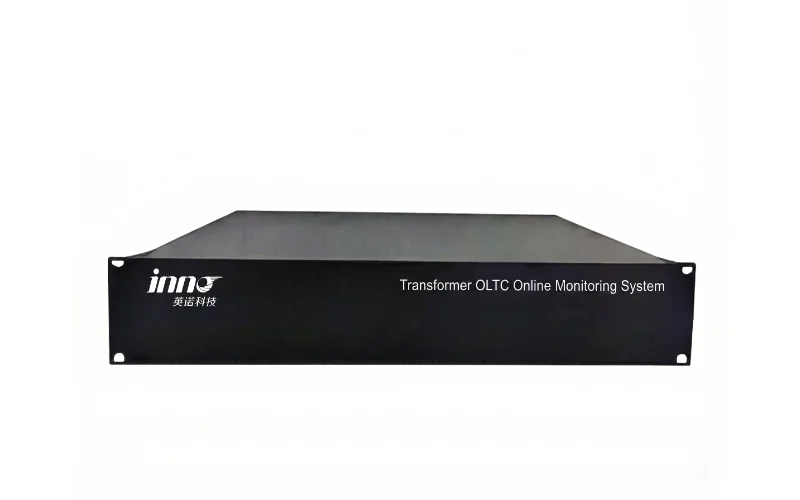
OLTC-Überwachung
Online OLTC monitoring tracks tap-changer operating behavior and helps identify developing mechanical or electrical abnormalities during repeated switching operations.
- Motor-drive current and operating behavior
- Tap position and switching history
- Operation count and condition trends
- Temperature, vibration or timing information where configured
Oil Temperature, Level & Pressure Monitoring
For oil-immersed substation transformers, these three parameters provide a compact view of oil-system and tank operating condition.
- ●Öltemperatur — supports thermal-condition and cooling-performance assessment.
- ●Ölstand — helps identify abnormal oil-volume changes, oil loss or leakage.
- ●Druck — provides additional indication of abnormal tank or oil-system pressure conditions.
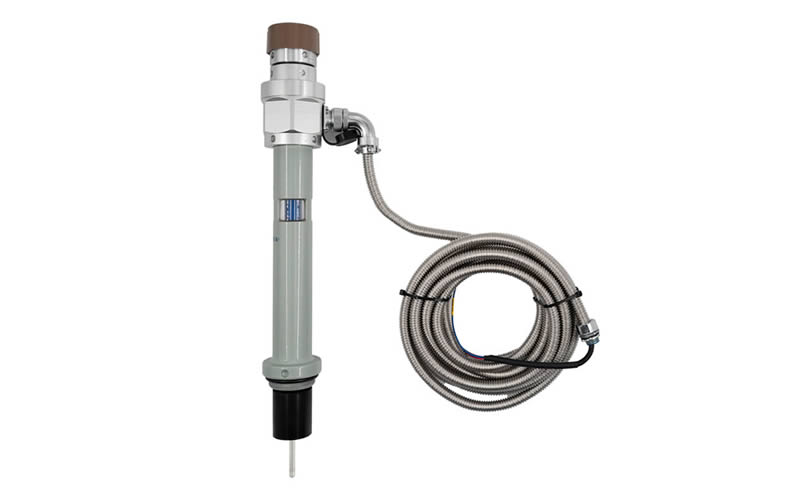
The integrated monitoring device combines oil temperature, oil level and pressure measurement in one unit for transformer condition monitoring.
From Abnormal Signal to Maintenance Attention
| Beobachteter Zustand | Möglicher Grund zur Sorge | Relevant Monitoring |
|---|---|---|
| Ansteigende Wicklungstemperatur | May indicate a thermal or cooling issue | Temperaturüberwachung |
| Abnormal gas trend | Can help identify a developing internal fault | DGA |
| Increasing partial discharge | May indicate an insulation abnormality | PD Monitoring |
| Bushing condition change | Supports assessment of insulation deterioration | Buchsenüberwachung |
| OLTC-Anomalie | Dies kann auf ein mechanisches oder elektrisches Problem hindeuten | OLTC-Überwachung |
| Oil level / pressure abnormality | Supports assessment of an oil-system concern | Oil Level / Pressure Monitoring |
Individual signals support condition assessment; they should be interpreted together rather than as a standalone diagnosis.
From Field Sensors to the Substation Control System
Bringing every monitored parameter into one centralized view is what separates substation-level monitoring from single-transformer monitoring.
- ●Centralized alarms
- ●Historical trends
- ●Remote visibility
- ●Multi-parameter condition review
Local Alarms and Remote Condition Visibility
Local Monitoring
- ●Lokale Anzeige
- ●Alarm
- ●Cooling status
Fernüberwachung
- ●Centralized alarms
- ●Historical trends
- ●Remote supervision
- ●Maintenance planning
Condition monitoring does not replace transformer protection.
Monitoring One Transformer or Multiple Substation Assets
Single Critical Transformer
A focused monitoring configuration built around one high-value or high-risk substation transformer.
Multiple Transformer Monitoring
A centralized configuration covering several transformers within the same substation under one monitoring and alarm view.
Monitoring architecture can scale according to transformer quantity and monitoring requirements.
Typical Substation Monitoring Applications
Transmission Substations
High-voltage substations where transformer availability is critical to grid reliability.
Distribution Substations
Substations supplying end users, where continuous condition visibility supports service reliability.
Remote / Unattended Substations
Sites without permanent on-site staff, where remote monitoring is especially valuable.
Renewable Energy Substations
Substations serving wind, solar or other renewable generation with variable loading patterns.
Verwandte Transformatoranwendungen
Überwachung von Leistungstransformatoren
Umfassende Zustandsüberwachung für kritische, hochwertige Transformatoren.
Überwachung von Leistungstransformatoren →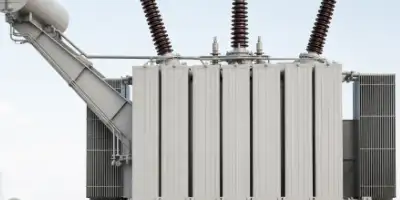
Überwachung von Öltransformatoren
PD, DGA, bushing and thermal information for oil-filled transformer assessment.
Überwachung von Öltransformatoren →Überwachung von Hotspots in Transformatorwicklungen
Monitor thermal stress that may contribute to insulation aging.
Winding Hot Spot Monitoring →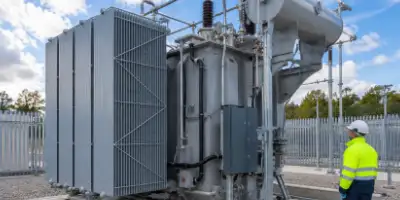
Überwachung der Transformatorisolierung
Combine PD, DGA, bushing and thermal evidence for insulation condition assessment.
Transformer Insulation Monitoring →Recommended Monitoring Systems for Substation Transformers
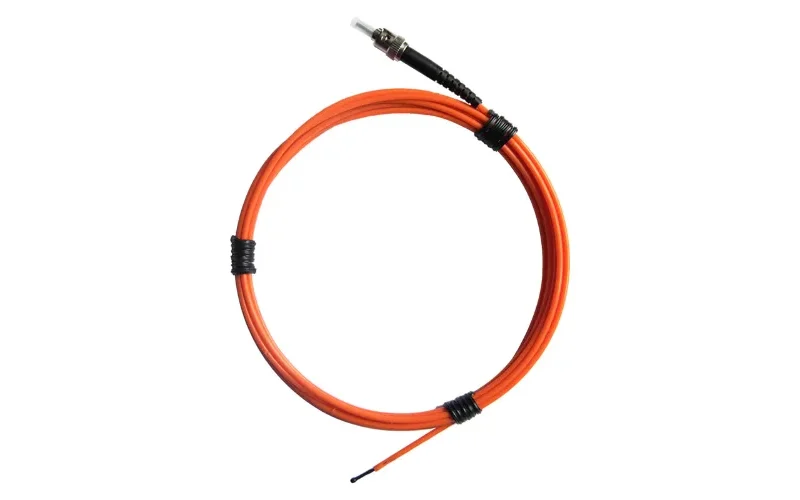
Glasfaser-Temperatursensor zur Überwachung von Hotspots in Transformatorwicklungen
For direct measurement of winding hot spot temperature.
Online-Überwachungssystem zur Analyse gelöster Gase (DGA)
For monitoring dissolved gas trends in oil-filled transformers.
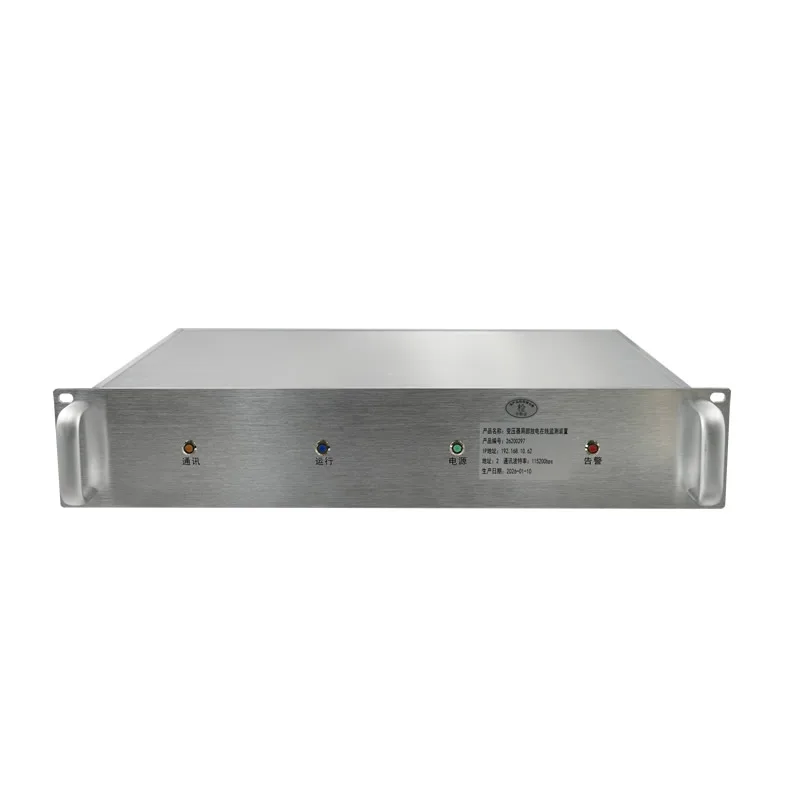
Online-Überwachungssystem für Teilentladungen an Transformatoren
For continuous monitoring of partial discharge activity.
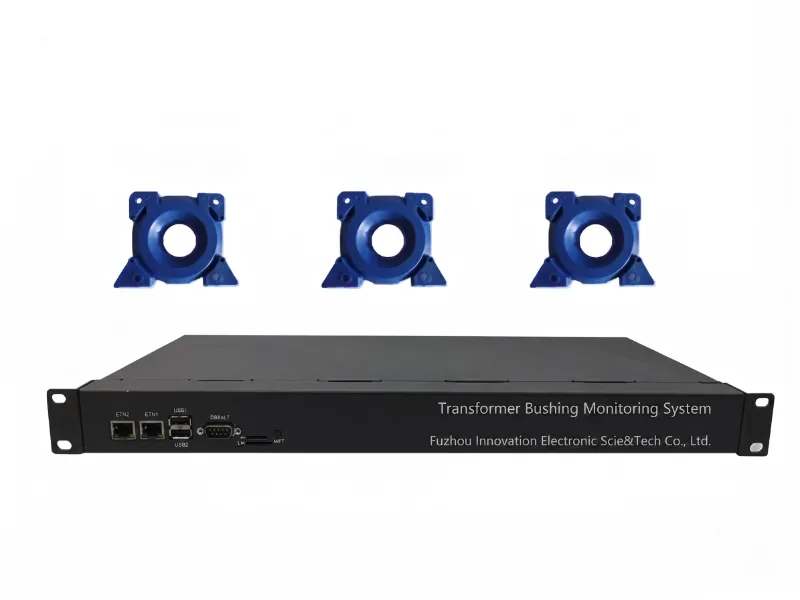
Überwachungssystem für Transformator-Durchführungen
For monitoring condition changes in critical high-voltage bushings.
Online-Überwachungssystem für Transformator-OLTC
For monitoring on-load tap changer operating condition.
Überwachungssystem für Temperatur, Füllstand und Druck von Transformatoröl
For monitoring oil-system and cooling-related conditions.
Verwandte Überwachungslösungen
Transformatorüberwachung
Der Gesamtüberblick – Temperatur, DGA, PD, Durchführungen und mehr, alles aus einer Hand.
Temperaturüberwachung von Transformatoren
Einer direkte Einblick in die Wicklungs- und Öltemperatur durch direkte Messung.
Analyse gelöster Gase
Chemische Anzeichen für sich entwickelnde thermische und elektrische Störungen.
Überwachung von Teilentladungen
Elektrische Anzeichen für sich entwickelnde lokale Isolationsfehler.
Buchsenüberwachung
Condition of critical high-voltage bushing insulation.
Transformer OLTC Monitoring
Operating condition of the on-load tap changer.
Substation transformer monitoring supports asset visibility across Umspannwerke and the wider Stromnetz und Versorgungsunternehmen sector.
New Substation Project or Existing Transformer Retrofit?
New Project
- ●Plan monitoring points
- ●Select monitoring functions
- ●Plan SCADA integration
Nachrüstung
- ●Review existing sensors
- ●Reuse suitable instruments
- ●Add monitoring functions
- ●Integrate existing systems where feasible
What Information Helps Us Recommend a Monitoring Configuration?
Informationen zum Transformator
- ●Transformatortyp
- ●Nennleistung
- ●Spannungspegel
- ●Quantity
Existing Equipment
- ●Vorhandene Sensoren
- ●Bestehende Überwachungsgeräte
- ●Existing SCADA
Monitoring Requirement
- ●Erforderliche Überwachungsparameter
- ●New project or retrofit
Häufig gestellte Fragen
What should be monitored on a substation transformer?
Typical parameters include winding and oil temperature, dissolved gases, partial discharge, bushing condition, OLTC condition, and oil level / pressure / cooling status.
Which parameters are most important for online monitoring?
This depends on transformer criticality, age and known concerns — critical or aging substation transformers generally benefit from broader parameter coverage.
What is the difference between protection and condition monitoring?
Protection systems act to isolate a transformer during a fault, while condition monitoring tracks ongoing trends to support maintenance planning — condition monitoring does not replace protection.
Can DGA and PD monitoring be used together?
Yes — they provide complementary chemical and electrical evidence and are often used together for a fuller condition picture.
Why monitor bushings and OLTC?
Both are critical components that can develop problems independently of the main winding insulation, so they benefit from dedicated monitoring.
Can existing transformer sensors be reused?
In many retrofit cases yes, depending on sensor type, condition and compatibility with the monitoring system.
Können Überwachungsdaten an SCADA angebunden werden?
Monitoring data can generally be made available to a substation SCADA or control system as part of the overall monitoring architecture; specific integration details depend on the project.
Does every transformer require the same monitoring configuration?
No — the appropriate configuration depends on transformer type, criticality, operating history and site requirements.
Build the Right Monitoring Architecture for Your Substation Transformers
Send us your transformer type, quantity, existing sensors and monitoring requirements to evaluate the right configuration for your substation.