
Substation Condition Monitoring for Critical Power Equipment
Centralized condition monitoring across substation transformers and other critical high-voltage assets, combining temperature, DGA, partial discharge, bushing and OLTC data for remote and unattended sites.
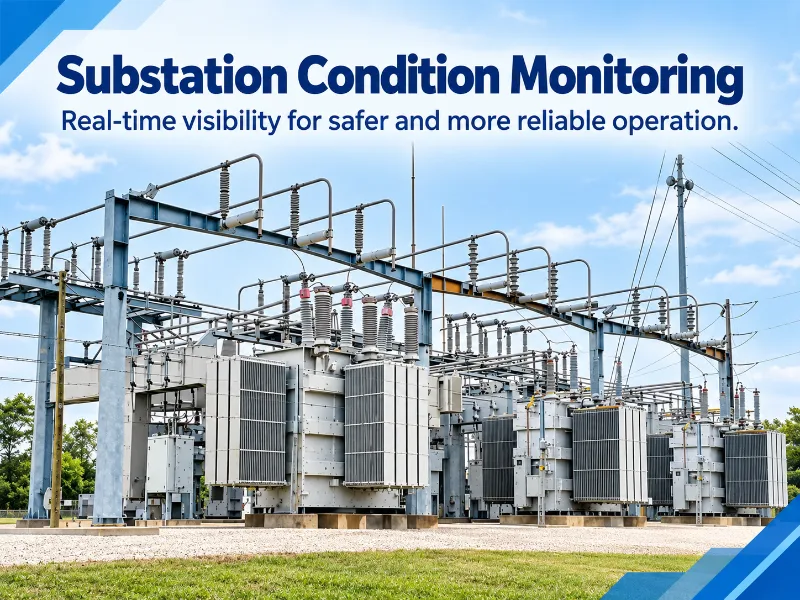
Why Continuous Condition Monitoring Matters in Modern Substations
A substation typically concentrates several of a network's most critical and highest-value assets in a single location — transformers, bushings, tap changers and other high-voltage equipment that all need to keep operating reliably between scheduled inspections.
Because many substations are visited only periodically, and some are unattended altogether, condition changes that develop between visits can go unnoticed until the next inspection. Continuous monitoring gives operators visibility into how these assets are actually behaving day to day, rather than relying solely on point-in-time checks.
This matters across a wide range of sites — see how these considerations apply more broadly across Stromnetz und Versorgungsunternehmen, and how they apply specifically to a single critical asset in Überwachung von Transformatoren in Umspannwerken.
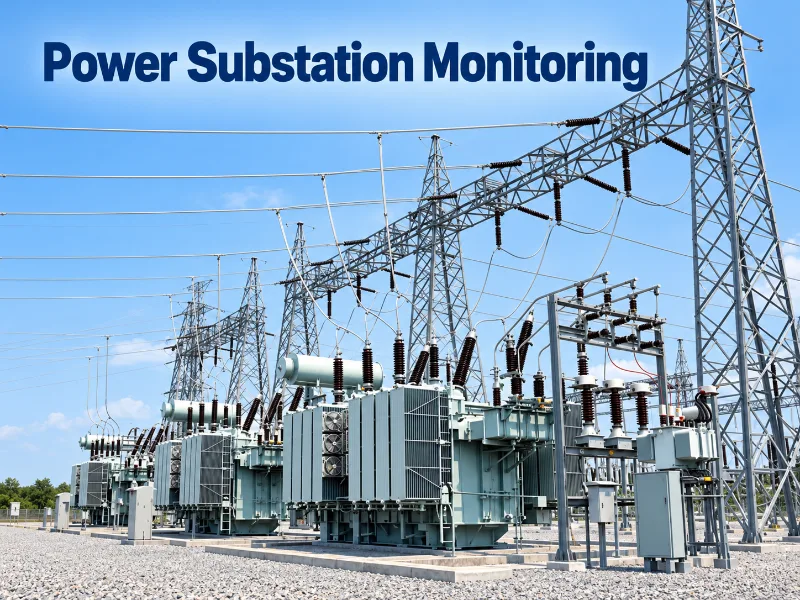
What Should Be Monitored in a Power Substation?
A substation condition monitoring program typically covers the transformers and other critical high-voltage equipment that carry the greatest operational and financial risk if a fault develops undetected.
- ●Transformers — winding temperature, hot spots, oil temperature, level and pressure, cooling performance.
- ●Insulation Condition — dissolved gas analysis (DGA) and partial discharge (PD) activity.
- ●Buchsen — condition trends on critical high-voltage bushings.
- ●OLTC — on-load tap changer operating condition.
- ●Other High-Voltage Equipment — additional critical assets identified as part of the substation's risk profile.
Siehe auch: Transformatorüberwachung · Temperaturüberwachung von Transformatoren · Überwachung von Transformatoren in Umspannwerken
Critical Transformer Monitoring in Substations
Substation transformers are often among the most difficult and costly assets to replace on short notice, which makes their ongoing condition a central concern for substation operators.
- ●Thermal condition under varying load
- ●Insulation condition over time
- ●Bushing and OLTC condition
- ●Oil system health
Monitoring priorities are usually set according to transformer criticality, age, loading profile and how difficult the unit would be to replace.
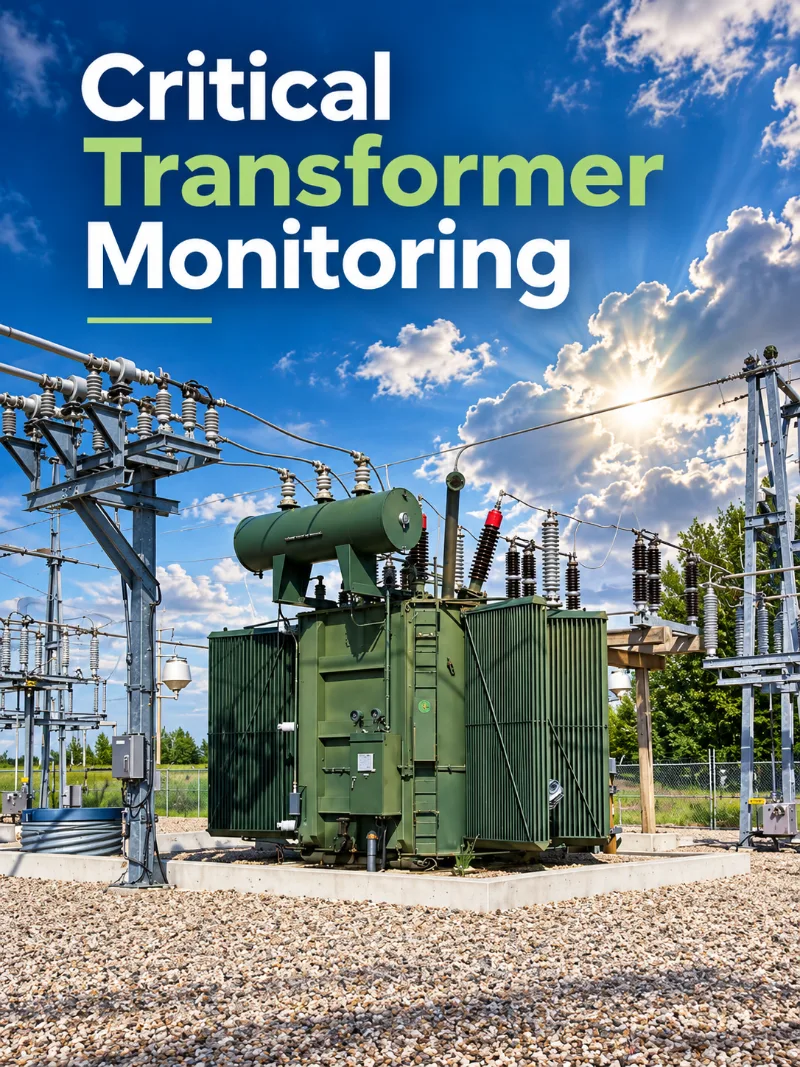
Temperature and Hot Spot Monitoring for Substation Transformers
Winding hot spot temperature is one of the clearest indicators of thermal stress in a substation transformer, particularly under changing load conditions.
Direct fiber optic winding temperature measurement provides real-time hot spot data, complementing conventional oil temperature indication and supporting a more complete thermal picture for critical substation transformers.
Product: Glasfaser-Temperaturmesssystem für Öltransformatoren
Monitor Transformer Insulation and Developing Internal Faults
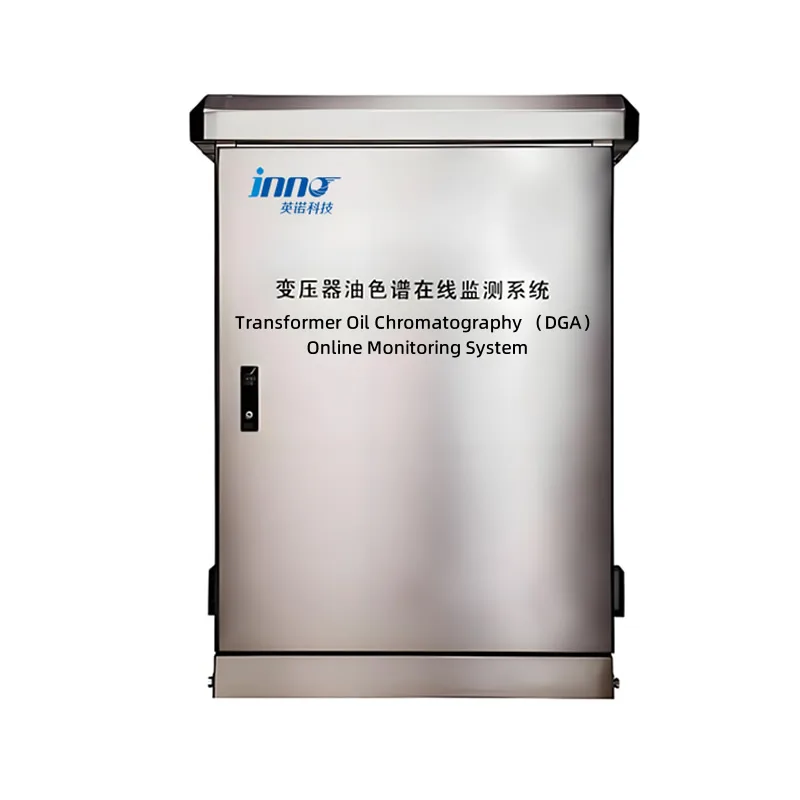
Analyse gelöster Gase
Tracks dissolved gas trends in transformer oil to help identify developing thermal or electrical abnormalities inside oil-filled transformers.
Bushing, OLTC and Transformer Auxiliary System Monitoring
From Abnormal Condition Signals to Maintenance Attention
| Monitored Parameter | Possible Signal | Typical Next Step |
|---|---|---|
| Winding / Oil Temperature | Sustained or repeated abnormal rise | Review load history and cooling performance |
| Analyse gelöster Gase | Increasing key gas trends | Review gas ratios and plan follow-up sampling |
| Teilentladung | Rising discharge activity | Correlate with DGA and schedule inspection |
| Buchse | Abnormal condition trend | Plan bushing inspection or test |
| OLTC | Abnormal operating pattern | Review tap-change records and mechanism condition |
| Ölstand | Unexpected drop | Check for leaks and verify sensor readings |
| Druck | Out-of-range reading | Investigate cause before continued operation |
| Kühlung | Reduced cooling response | Inspect fans, pumps and radiators |
Signals are most useful when reviewed together and in the context of loading history, rather than as standalone alarms.
How to Plan a Substation Condition Monitoring System
Identify Critical Assets
Start by ranking substation transformers and other high-voltage equipment according to criticality, age and replacement difficulty.
Define Monitoring Priorities
Decide which condition parameters — temperature, DGA, PD, bushing, OLTC, oil system — matter most for each asset.
Review Existing Sensors and Monitoring Devices
Check what instrumentation and monitoring hardware is already installed before specifying additional equipment.
Plan Centralized Data and System Integration
Map out how data from multiple assets will be collected, stored and made available to control room and SCADA systems.
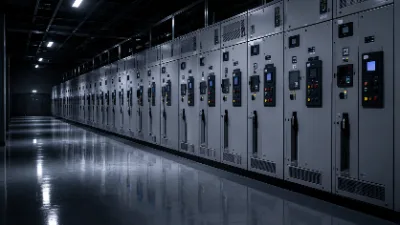
Centralized Monitoring for Multiple Substation Assets
Most substations contain more than one transformer or critical asset. Bringing their condition data into a single view is usually more useful than reviewing each unit in isolation.
- ●Multiple transformers monitored together
- ●Visibility across different transformer bays
- ●Centralized alarms across the substation
- ●Historical trends for each asset
- ●Asset-to-asset comparison
- ●Maintenance prioritization across the site
A centralized view makes it easier to compare condition trends across transformer bays and decide where maintenance attention is needed first.
Siehe auch: Überwachung von Transformatoren in Umspannwerken
From Field Sensors to Substation SCADA and Control Centers
The final integration path depends on each substation's existing systems and available interfaces.
Remote Monitoring for Unattended Substations
Many substations operate with little or no permanent staff on site, which makes remote substation monitoring an important part of day-to-day operations rather than an occasional convenience.
Unattended substation monitoring allows condition data from critical assets to be reviewed continuously from a central location, reducing reliance on periodic site visits to catch developing issues. Combined with substation online monitoring across multiple assets, this supports earlier awareness of abnormal trends and more informed maintenance planning for sites that are difficult or costly to visit frequently.
Monitoring Transmission and Distribution Substations
Transmission Substations
Typically house large, high-value power transformers where an unplanned outage can affect wide areas of the network.
- ●High-value, hard-to-replace transformers
- ●Wider network impact if a fault occurs
- ●Often justifies more comprehensive monitoring
Distribution Substations
Usually cover a larger number of smaller sites, where centralized and remote monitoring helps manage many assets efficiently.
- ●Larger number of smaller sites
- ●Benefit from centralized, remote visibility
- ●Monitoring scope often prioritized by asset criticality
Siehe auch: Stromnetz und Versorgungsunternehmen · Überwachung von Leistungstransformatoren
New Substation Project or Existing Site Retrofit?
New Substation Projects
- ●Plan sensor and monitoring locations from the outset
- ●Select monitoring functions per asset
- ●Coordinate with SCADA and control system design
- ●Plan centralized data architecture early
Existing Substation Retrofit
- ●Review existing sensors and monitoring devices
- ●Add monitoring where visibility is currently limited
- ●Upgrade data acquisition and connectivity
- ●Integrate with existing control systems where feasible
Why Choose INNO for Substation Condition Monitoring?
- ●Transformer Monitoring Portfolio — temperature, DGA, partial discharge, bushing, OLTC and oil-system monitoring options for substation assets.
- ●Temperaturüberwachung mittels Glasfaser — direct winding hot spot measurement for critical substation transformers.
- ●Multiple Monitoring Functions — functions can be combined to suit each substation's asset mix and risk profile.
- ●New Project & Retrofit Support — monitoring architecture can be planned for new substations or added to existing sites.
- ●Monitoring System Integration — data from multiple assets can be structured for centralized review and control-system integration.
Recommended Monitoring Products for Substations
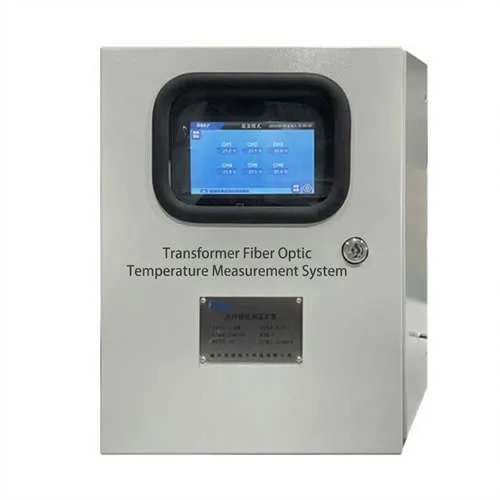
Glasfaser-Temperaturmesssystem
Direct winding hot spot temperature measurement for oil-immersed transformers.
Online-DGA-Überwachungssystem
Continuous dissolved gas trend monitoring for transformer oil.

Online-Überwachungssystem für Teilentladungen
Continuous discharge-activity monitoring for insulation condition.
Überwachungssystem für Transformator-Durchführungen
Condition monitoring for critical high-voltage bushings.
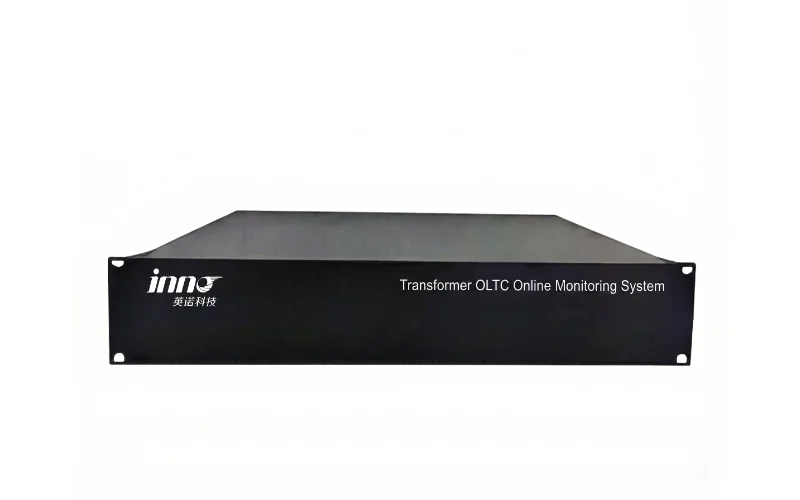
Online-Überwachungssystem für Transformator-OLTC
Operating condition monitoring for on-load tap changers.
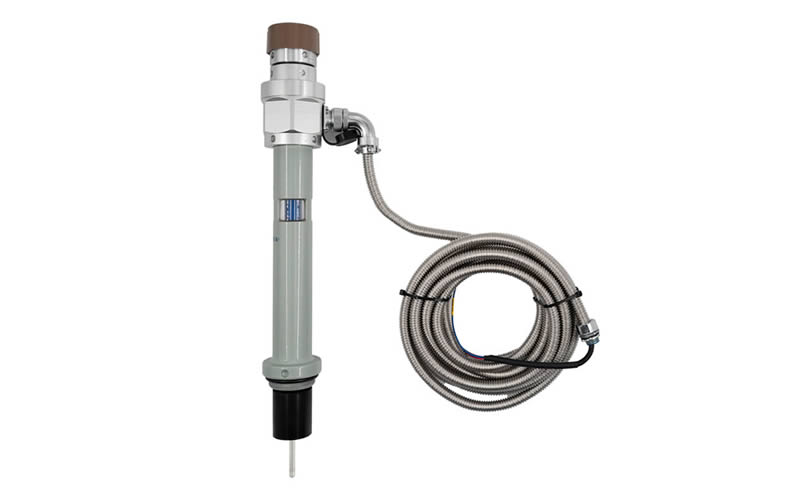
Oil Temperature, Level & Pressure Monitoring
Core oil-system parameters in a single monitoring system.
Related Substation Monitoring Applications
Überwachung von Transformatoren in Umspannwerken
Condition monitoring focused on a single critical substation transformer.
Learn More →
Überwachung von Leistungstransformatoren
Umfassende Zustandsüberwachung für kritische, hochwertige Transformatoren.
Learn More →Überwachung der Transformatorisolierung
DGA and partial discharge insights into insulation condition.
Learn More →Überwachung von Hotspots in Transformatorwicklungen
Direct thermal measurement under actual operating load.
Learn More →Verwandte Überwachungslösungen
Transformatorüberwachung
View Solution →Temperaturüberwachung von Transformatoren
View Solution →Temperaturüberwachung mittels Glasfaser
View Solution →Analyse gelöster Gase
View Solution →Überwachung von Teilentladungen
View Solution →Related Power Industry Applications
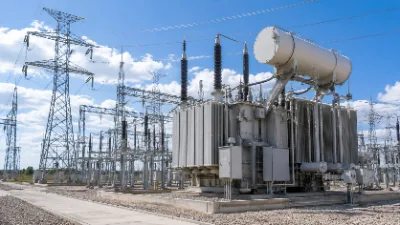
Stromnetz und Versorgungsunternehmen
Condition monitoring across transmission and distribution networks.
Learn More →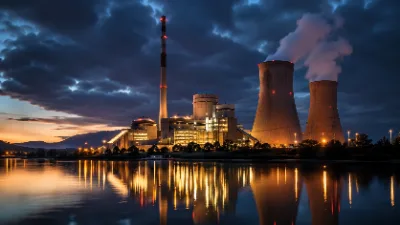
Stromerzeugung
Monitoring for generator step-up transformers and plant assets.
Learn More →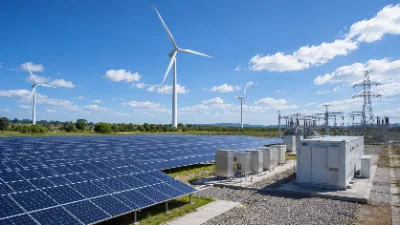
Erneuerbare Energien
Monitoring for wind, solar and energy storage transformer assets.
Learn More →What Information Helps Us Recommend a Substation Monitoring Configuration?
Substation Information
- ●Transmission or distribution
- ●Number of critical assets
- ●Attended or unattended
- ●New project or existing site
Transformer / Asset Information
- ●Transformer type and rating
- ●Age and criticality
- ●OLTC / bushing configuration
- ●Kühlvorrichtung
Existing Monitoring & Integration
- ●Existing sensors and devices
- ●Current SCADA / control system
- ●Remote monitoring requirements
- ●Required monitoring functions
Frequently Asked Questions About Substation Condition Monitoring
What is substation condition monitoring?
It is the continuous tracking of parameters such as temperature, DGA, partial discharge, bushing and OLTC condition across critical substation assets, rather than relying only on periodic inspection.
Which assets are usually prioritized in a substation monitoring system?
Substation transformers are typically the first priority, followed by other high-voltage equipment identified as critical or difficult to replace.
How is substation transformer monitoring different from general power substation monitoring?
Substation transformer monitoring focuses on a single unit, while a substation-wide program covers multiple transformers and other critical equipment monitored together.
What does remote substation monitoring involve?
Remote substation monitoring sends condition data from field sensors and monitoring devices to a central location so staff do not need to be on site to review asset condition.
Can unattended substations be monitored effectively?
Yes — unattended substation monitoring relies on continuous data collection and remote review rather than routine on-site presence.
How does substation online monitoring integrate with SCADA?
Condition data is typically collected through local monitoring devices and a gateway, then made available to substation SCADA or control-center systems, depending on each site's existing interfaces.
Can substation equipment monitoring be added to an existing site?
In many cases yes, though the available configuration depends on the equipment's age, construction and existing instrumentation.
Is high voltage equipment monitoring limited to transformers?
No — while transformers are usually the priority, a substation monitoring program can extend to other critical high-voltage equipment as required.
Build a Condition Monitoring Strategy Around Your Substation Assets
Share your substation's assets, layout and existing monitoring equipment, and we can help outline a suitable condition monitoring configuration.