
How to Monitor Transformer Cooling Performance?
发布时间:2026年10月11日 15:54:35
- Transformer cooling performance is monitored by comparing winding temperature, top-oil temperature and transformer load with fan, oil pump and cooling-stage status over time.
- Winding temperature and top-oil temperature show how effectively heat is being removed. Winding temperature reacts faster to load changes, while top-oil temperature reflects overall thermal condition.
- Transformer load and ambient temperature set the expected temperature level, so every temperature reading should be judged against them.
- Fan status, oil pump status and cooling stage operation confirm whether cooling equipment starts and runs as commanded.
- Temperature trend matters more than a single reading. Rising temperature under stable load, or temperature that does not fall after cooling starts, may indicate reduced cooling performance.
Índice
- Key Parameters for Cooling Performance
- Winding and Top-Oil Temperature Trends
- Fan and Oil Pump Status
- Load vs Temperature Behavior
- Signs of Cooling Performance Problems
- Alarm and SCADA Monitoring
- Simple Cooling Performance Checklist
- Transformer Cooling Performance FAQ
1. Key Parameters for Cooling Performance
Cooling performance cannot be judged from temperature alone. Heat output depends on load, heat removal depends on the cooling equipment, and ambient conditions shift the baseline. Monitoring these together shows whether temperature behavior is normal for the operating conditions.
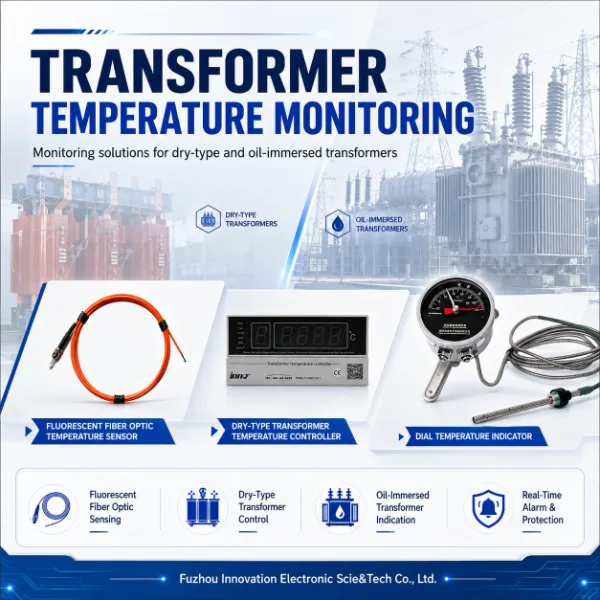
Continuous monitoramento da temperatura do transformador provides the temperature side of this picture. Load, fan, pump and alarm data complete it.
| Parâmetro | Por que isso é importante | Possible Abnormal Sign |
|---|---|---|
| Temperatura do enrolamento | Shows thermal response to load and cooling at the windings | Rises faster than load would explain |
| Temperatura máxima do óleo | Reflects overall heat removal from the transformer | Stays high after load reduces or cooling starts |
| Transformer load | Sets the expected heat input | Does not match the temperature level observed |
| Temperatura ambiente | Shifts the baseline for all temperature readings | Temperature deviation not explained by ambient change |
| Fan status | Confirms air-side cooling equipment is running | Status does not match the control command |
| Oil pump status | Confirms forced oil circulation where installed | Pump not running when expected |
| Cooling stage | Shows which stage of cooling is active | Stage runs longer than usual or fails to engage |
| Status do alarme | Records high temperature and cooling equipment alarms | Repeated alarms under normal load |
2. Winding and Top-Oil Temperature Trends
2.1 Winding vs Top-Oil Response
Winding temperature responds quickly to load changes because the windings generate the heat. Top-oil temperature moves more slowly and reflects how well the oil and cooling surfaces are removing that heat from the whole transformer.
Both readings are needed. A fast winding response with a normal top-oil trend points to a different situation than both rising together.
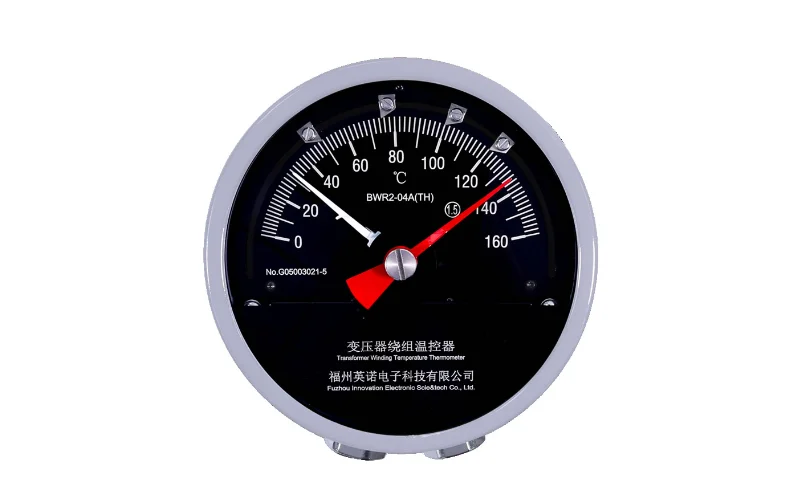
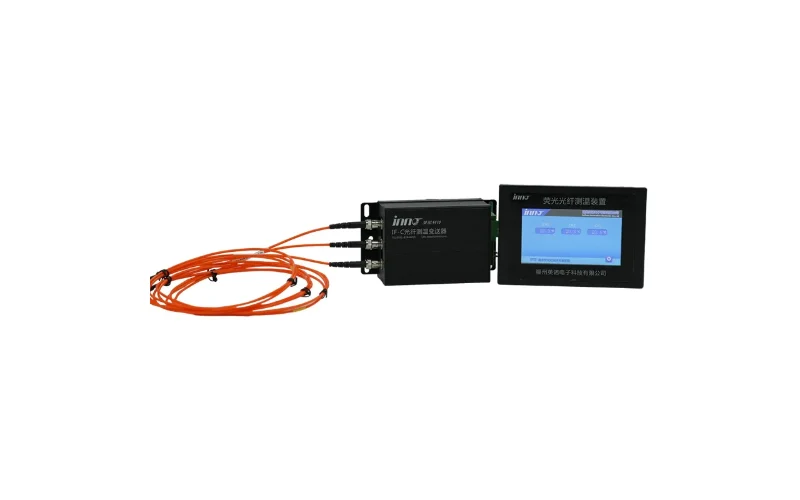
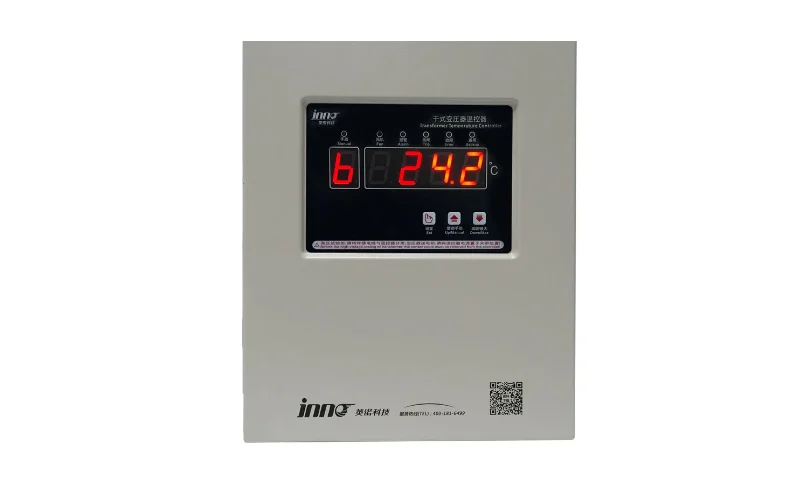
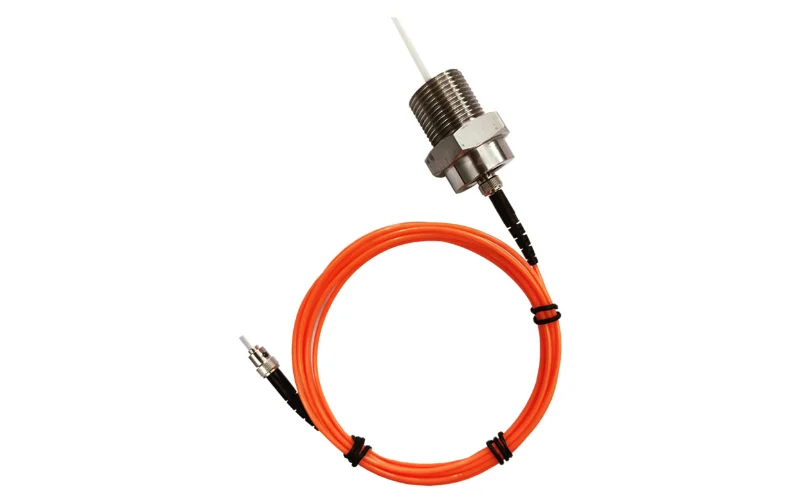
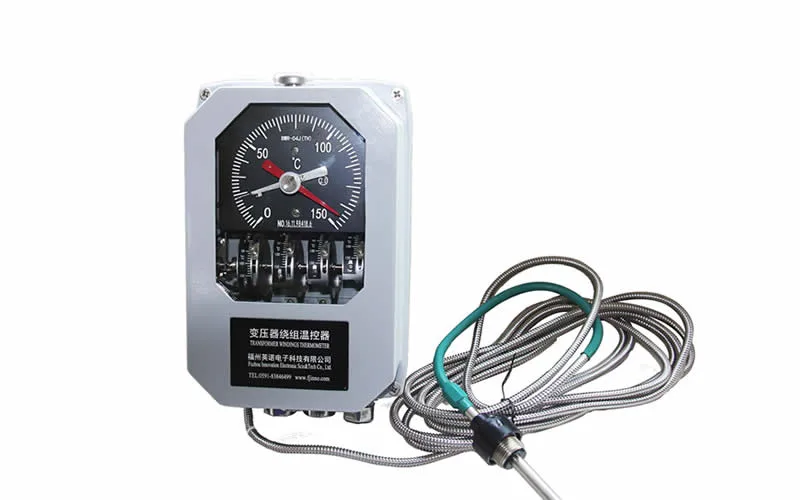
A indicador de temperatura do enrolamento is a common source of the winding reading, and its output often drives fan control and alarms. Where local heating matters, direct winding hot-spot temperature measurement adds detail that calculated values cannot show.
2.2 Reading the Trend
Trend comparison is more reliable than one reading. Temperature that climbs while load and ambient temperature stay stable can suggest reduced cooling, although other causes must also be considered.
Comparing today's temperature at similar load and ambient conditions with earlier records is the simplest check. Gradual drift over weeks can be as informative as a sudden jump.
3. Fan and Oil Pump Status
3.1 What to Track
Cooling equipment status confirms that the cooling system does what the control logic asks. Useful signals include:
- Fan running status
- Oil pump running status
- Failed start, where equipment is commanded but does not run
- Loss of a cooling stage during operation
- Abnormal auxiliary status, such as a supply or control alarm
3.2 Status Together with Temperature
Status signals alone can mislead. A fan reported as running does not prove adequate airflow, and a stopped fan at low load may be normal.
Fan and pump status should be checked together with the temperature trend. If equipment is running and temperature still does not respond, the issue may lie elsewhere in the cooling path, which requires verification on site.
4. Load vs Temperature Behavior
Under normal conditions, temperature changes follow load, ambient temperature and cooling stage in a reasonable way. Load increases lift temperature, additional cooling stages slow or reverse the rise, and lighter load allows temperature to fall.
Deviations from that relationship are an early indicator of cooling problems. The table below lists common patterns and how they may be read.
| Observed Pattern | Possible Interpretation |
|---|---|
| Load stable, temperature rising | May indicate reduced cooling, or a change in ambient conditions that requires checking |
| Load reduced, temperature remains high | Can suggest slow heat removal, a sensor issue or internal heating that requires verification |
| Cooling stage active, temperature does not respond | May indicate that equipment is not delivering effective cooling, or that status signals do not reflect actual operation |
| Repeated high-temperature alarm under normal load | Can suggest a persistent cooling or measurement problem that requires investigation |
| Temperature falls normally after cooling starts | Generally consistent with effective cooling response, when it matches earlier records |
High temperature alone is not proof of cooling failure. Overload, high ambient temperature, sensor drift or an internal heating source can produce similar readings, so conclusions should rest on several signals.
5. Signs of Cooling Performance Problems
Several indications, alone or together, suggest that cooling performance may be degrading:
- Winding temperature rises faster than expected for the load
- Top-oil temperature remains high
- Fan or pump status does not match the control command
- Temperature alarms repeat
- Load and temperature show an abnormal difference compared with earlier data
- A cooling stage operates longer than normal
- Temperature does not fall after cooling starts
None of these confirms a specific fault. Each one is a reason to compare records, check status signals and, where needed, inspect the cooling equipment.
6. Alarm and SCADA Monitoring
6.1 Signals Sent to the Control System
Temperature, fan, pump and cooling-stage status can be sent through alarm contacts or communication links. Typical signals include:
- High winding temperature
- High oil temperature
- Fan failure
- Pump failure
- Communication fault
6.2 Using Alarm and Trend Data
Remote visibility lets operators see cooling behavior without site visits. Trend records are especially useful, since they show whether an alarm is an isolated event or part of a repeating pattern.
Dashboards that combine temperature, load and equipment status make the load-temperature relationship easier to review, and transformer monitoring dashboard and SCADA integration covers how these signals are typically organized. Alarm setpoints should follow transformer documentation and site practice.
7. Simple Cooling Performance Checklist
Routine review of the following items helps separate normal thermal behavior from developing cooling problems.
| Check Item | What to Compare |
|---|---|
| Carregar | Current load against the load at similar earlier temperatures |
| Temperatura do enrolamento | Present reading against load and earlier records |
| Temperatura máxima do óleo | Present reading against winding temperature and earlier records |
| Temperatura ambiente | Temperature change against ambient change |
| Fan Status | Reported running state against control command and temperature response |
| Pump Status | Reported running state against control command and temperature response |
| Cooling Stage | Stages active against load level and expected behavior |
| Alarm History | Frequency and timing of temperature and cooling alarms |
| Temperature Trend | Short-term and long-term drift at comparable conditions |
When several rows point in the same direction, further inspection or testing is justified. If only one signal looks abnormal, checking the sensor and wiring is often the first step.
8. Transformer Cooling Performance FAQ
8.1 How is transformer cooling performance monitored?
Cooling performance is monitored by comparing winding temperature, top-oil temperature, load and ambient temperature with fan, pump and cooling-stage status. Trend records are compared against earlier data at similar conditions. Alarm history adds context, since repeated alarms under normal load may indicate that cooling is not performing as expected.
8.2 What indicates poor transformer cooling?
Possible indications include temperature rising under stable load, top-oil temperature staying high, and temperature not falling after cooling starts. Equipment status that disagrees with control commands and cooling stages running longer than normal also raise concern. Each sign requires verification before a conclusion is drawn.
8.3 Why does winding temperature rise when load is stable?
Stable load with rising winding temperature may indicate reduced heat removal, higher ambient temperature or a measurement problem. Internal heating is also possible. Checking top-oil temperature, cooling status and ambient conditions helps narrow the cause, and further testing may be needed if the rise cannot be explained.
8.4 How can fan failure affect transformer temperature?
Fan failure reduces air-side heat removal, which can let top-oil and winding temperature rise faster than load would explain. The effect depends on load level and ambient conditions. At light load, the impact may be small, while at higher load a loss of cooling can produce a clear temperature response.
8.5 Why is top-oil temperature monitored?
Top-oil temperature reflects overall heat removal from the transformer and moves more slowly than winding temperature. It serves as a reference when judging winding readings, cooling response and loading behavior. A top-oil trend that differs from load and ambient conditions can help reveal cooling problems early.
8.6 Can transformer cooling alarms be sent to SCADA?
Yes. High temperature, fan failure, pump failure and cooling-stage status can be sent through alarm contacts or communication interfaces to SCADA. Trend data can be sent as well, which helps operators judge whether an alarm is isolated or repeating. Signal lists and setpoints follow the transformer and site specifications.
8.7 Does high temperature always mean cooling failure?
No. High temperature can also result from overload, high ambient temperature, sensor error or internal heating. Cooling failure is one possibility among these. Comparing temperature with load, ambient temperature and cooling equipment status helps separate the causes, and verification on site may be required.