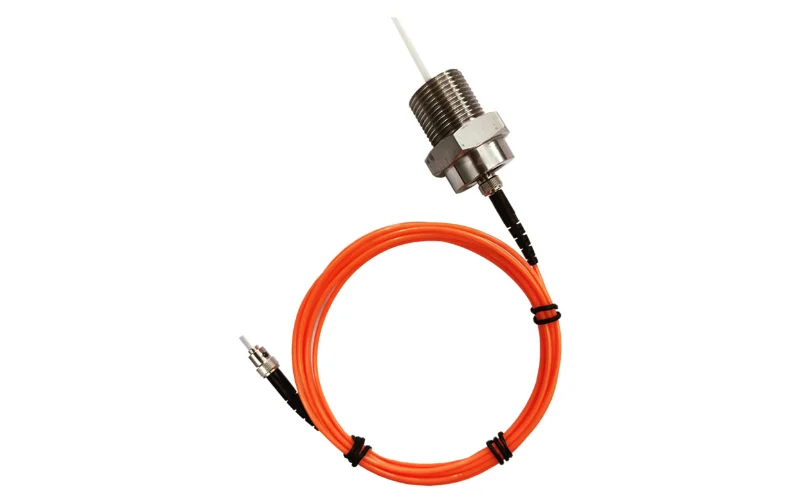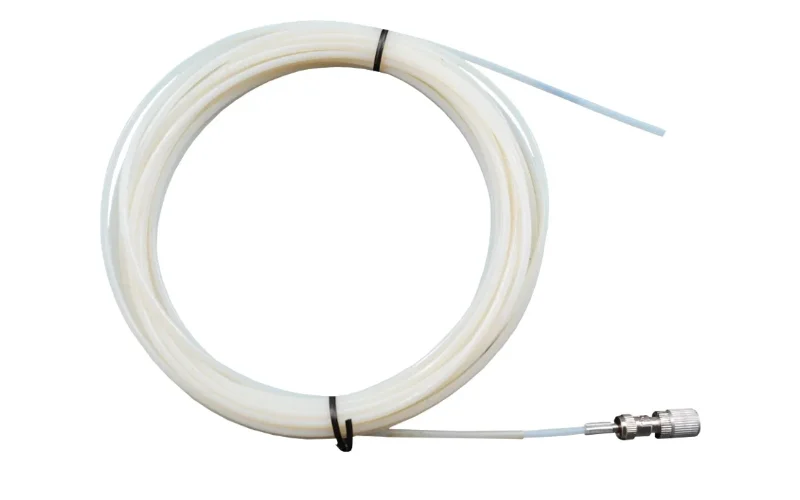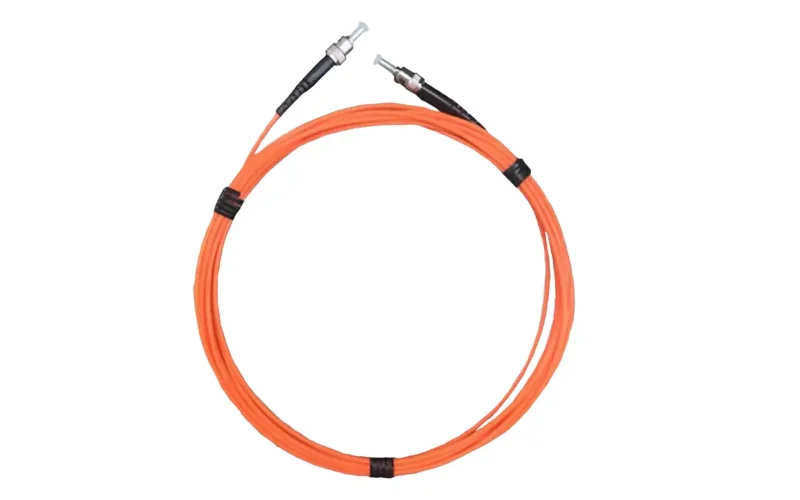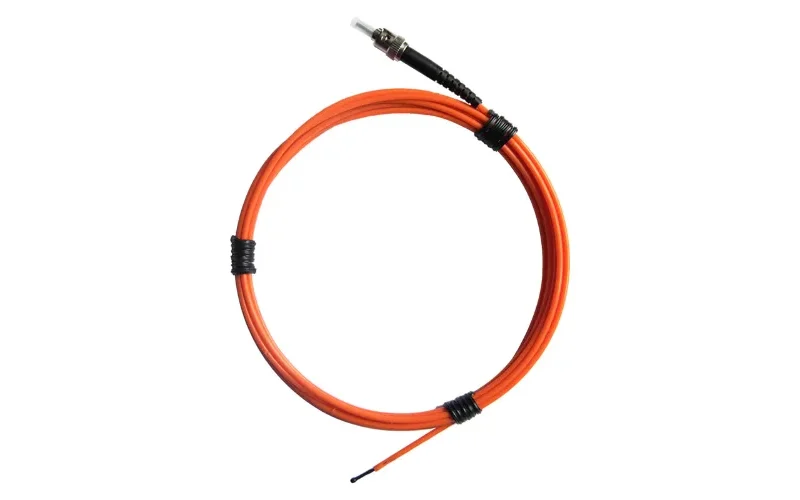



What Is a Fluorescent Fiber Optic Temperature Sensor Probe?
Позиционирование продукта
This probe is suitable for users looking for a волоконно-оптический датчик температуры, fluorescent fiber optic temperature sensor, lifetime-based optical temperature sensor, transformer winding temperature probe или switchgear temperature sensor probe.
Fluorescence Afterglow Lifetime Measurement Principle

The sensing tip contains fluorescent material. When it is excited by light, it emits an afterglow signal. The afterglow gradually decays, and the decay lifetime changes with temperature. The monitoring device detects this decay lifetime and converts it into a temperature value.
Optical Excitation
The monitoring device sends a light pulse through the optical fiber to the sensing tip.
Afterglow Signal Return
The fluorescent material emits a returned optical signal after excitation.
Lifetime Detection
The monitoring device analyzes the decay time of the returned signal rather than relying only on the signal strength.
Temperature Calculation
The decay lifetime is converted into a temperature reading based on calibration data.
Why Lifetime Measurement Matters
Lifetime measurement is less affected by optical power fluctuation, connector loss, fiber bending and light source aging than intensity-based optical measurement. This makes it useful for long-term industrial temperature monitoring.
Key Advantages of Fluorescent Lifetime Sensing
Stable Time-Domain Measurement
The measurement is based on fluorescence decay time, which helps improve stability when optical signal strength changes during long-term operation.
Electrical Isolation at the Measuring Point
The sensing point is optical and insulating, making it suitable for power equipment where electrical signal wiring may create insulation concerns.
Защита от электромагнитных помех
The optical fiber sensing path is immune to electromagnetic interference, which is important for transformer, switchgear and generator applications.
Compact Point-Type Probe
The probe is designed for local hotspot measurement and can be customized for narrow spaces, embedded positions, surface contact points or compact cabinet structures.
Flexible Installation
The optical fiber allows the sensing point to be placed inside high-voltage equipment while the monitoring device is installed in a safer and more accessible location.
Технические характеристики
| Пункт спецификации | Стандартная / Дополнительная конфигурация |
|---|---|
| Название продукта | Fluorescent Fiber Optic Temperature Sensor Probe |
| Sensor type | Point-type optical temperature sensor |
| Measurement principle | Fluorescence afterglow lifetime temperature measurement |
| Signal type at sensing point | Optical signal |
| Диапазон температур | -40°C to +260°C |
| Точность | ±0.5°C to ±1°C |
| Резолюция | 0,1 °C |
| Время отклика | Less than 1 second |
| Диаметр зонда | 2 mm to 3 mm, customizable |
| Длина волокна | 0 m to 80 m, customizable |
| Тип волокна | Оптическое волокно из кварца |
| Конструкция зонда | Standard, miniature, armored, surface-mounted or customized |
| Housing material | Stainless steel, insulated sleeve, armored structure or customized housing |
| Electrical insulation | Electrically insulating sensing structure |
| Высоковольтная стойкость | Above 100 kV |
| EMI immunity | Suitable for strong electromagnetic environments |
| Service life | Greater than 25 years |
| Типичные области применения | Transformer winding, switchgear contact, busbar joint, cable terminal, RMU plug, GIS cabinet, generator winding |
| Compatible device | Single-channel or multi-channel fiber optic temperature monitoring device |
| Настройка | Probe diameter, fiber length, sensing tip, housing, connector and mounting structure |
Структура продукта
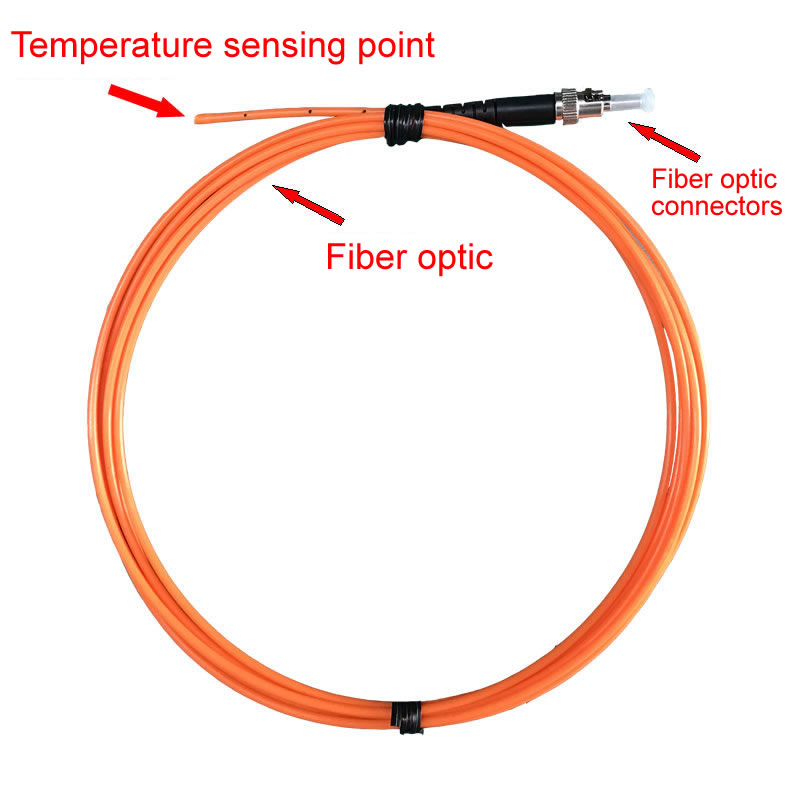
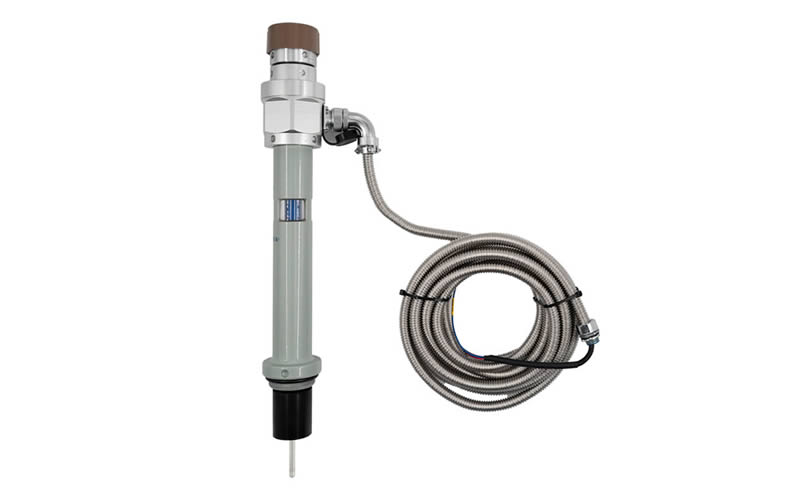
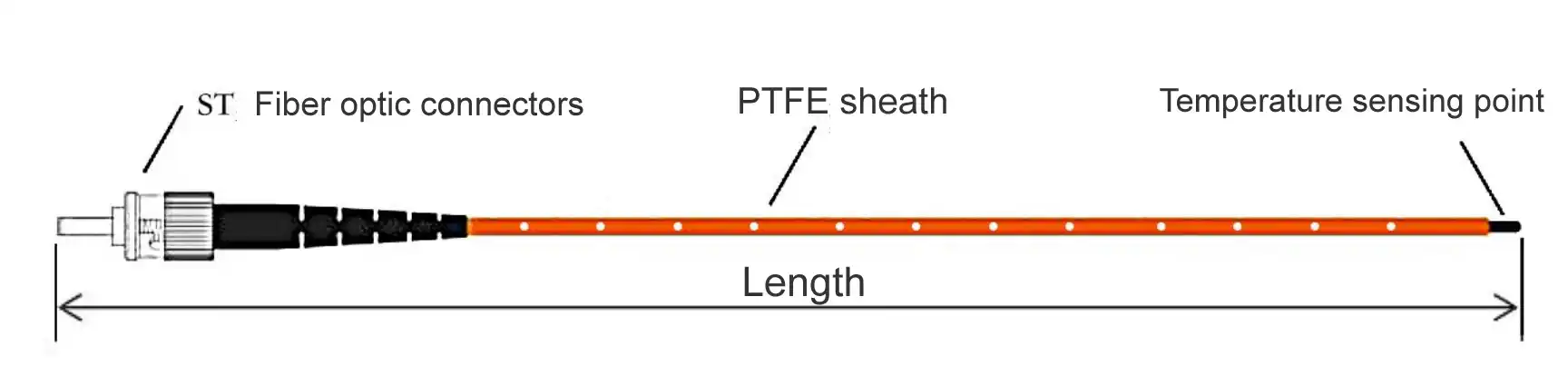
Fluorescent Sensing Tip
The sensing tip contains the fluorescent material and is placed at the target measuring point.
Quartz Optical Fiber
The optical fiber transmits excitation light and returned fluorescence signals between the probe and the monitoring device.
Insulated Probe Body
The probe body can be designed with an insulating structure for high-voltage equipment installation.
Protective Housing
The housing can be selected according to mechanical protection, oil resistance, mounting method and equipment structure.
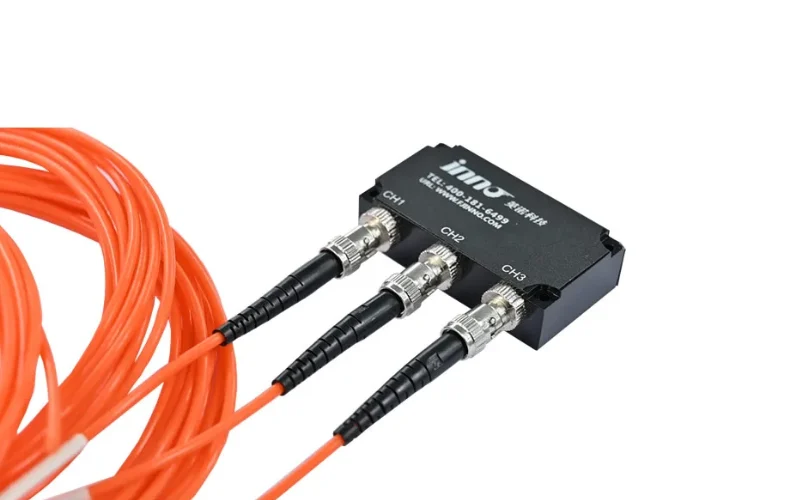
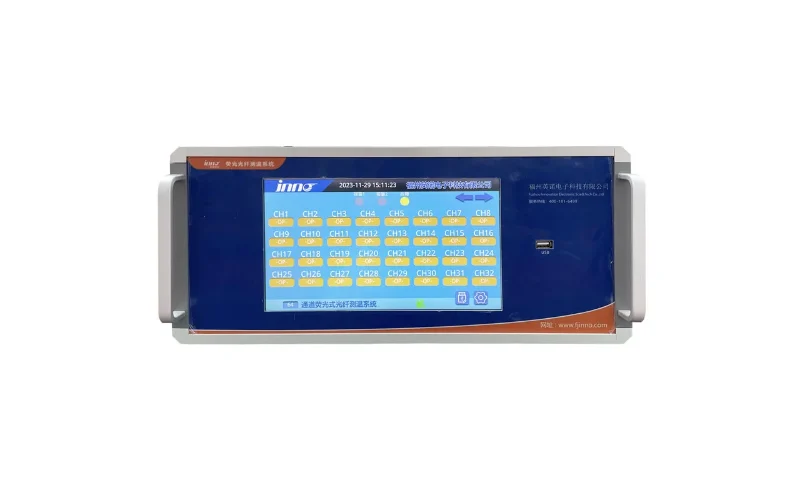
Monitoring Device Interface
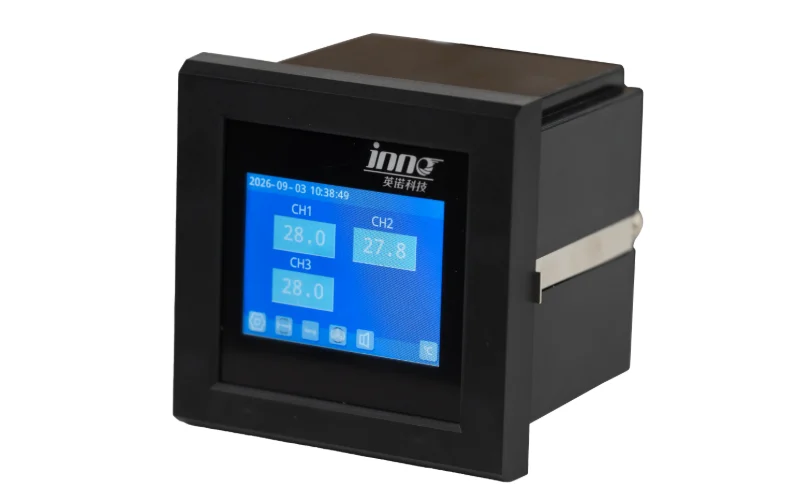
The probe works with a fiber optic temperature monitoring device that provides excitation, signal detection, temperature calculation and output functions.
Comparison with GaAs, Fluorescence Intensity and FBG Temperature Sensors
Different optical temperature sensing technologies use different signal mechanisms. The best choice depends on whether the application needs point hotspot measurement, multi-point sensing, intensity-based detection or wavelength-based demodulation.
| Comparison Item | Fluorescent Lifetime Sensor | GaAs Optical Sensor | Fluorescence Intensity Sensor | FBG Sensor |
|---|---|---|---|---|
| Principle | Fluorescence afterglow decay lifetime | Semiconductor optical absorption | Fluorescence signal intensity | Bragg wavelength shift |
| Signal basis | Time-domain decay signal | Optical absorption change | Returned light intensity | Wavelength change |
| Influence of optical loss | Low | System-dependent | Relatively high | Requires wavelength demodulation |
| Point hotspot measurement | Very suitable | Suitable in specific designs | Suitable when optical path is stable | Possible, but often used for grating-based sensing networks |
| High-voltage electrical equipment | Suitable for insulated point measurement | Depends on package design | Depends on package and optical stability | Requires careful strain and temperature handling |
| Typical selection reason | Stable point temperature measurement in high-voltage EMI environments | Optical semiconductor temperature measurement | Simple intensity-based optical response | Wavelength-based fiber sensing and multi-point monitoring |
Advantage Over Fluorescence Intensity Sensing
Fluorescence intensity sensing depends more directly on the strength of the returned light. Lifetime sensing focuses on decay time, so it is less sensitive to optical loss and signal strength variation.
Advantage Over FBG in Compact Point Measurement
FBG sensors are useful for wavelength-based fiber sensing. Fluorescent lifetime probes are more direct for compact point hotspots where insulation, EMI immunity and localized measurement are the main requirements.
Advantage Over GaAs in Electrical Hotspot Monitoring
GaAs optical sensing uses semiconductor absorption characteristics. Fluorescent lifetime sensing provides a practical probe structure for high-voltage point temperature measurement in electrical equipment.
Comparison with PT100 and Thermocouple Sensors
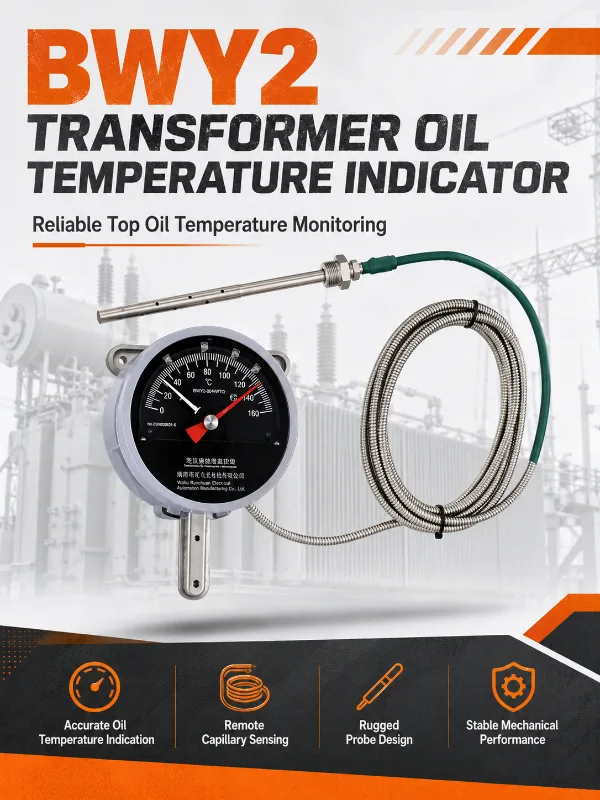
PT100 and thermocouple sensors are widely used in general industrial temperature measurement. Fluorescent optical probes are mainly selected when the measuring point requires optical isolation and EMI immunity.
| Comparison Item | Fluorescent Fiber Optic Temperature Probe | PT100 / Thermocouple Sensor |
|---|---|---|
| Signal at measuring point | Optical signal | Electrical signal |
| Electrical insulation | Insulating optical structure | Requires insulation design and wiring protection |
| EMI resistance | Immune to electromagnetic interference | May be affected in strong electrical environments |
| Typical environment | High-voltage and EMI-sensitive equipment | Conventional industrial temperature measurement |
| Typical measuring point | Winding, contact, busbar, cable terminal, RMU plug | Cabinet, machinery surface, process equipment |
| Selection logic | Choose when insulation and EMI immunity are required | Choose when electrical sensing is acceptable |
Application Areas
Transformer Winding Temperature Measurement

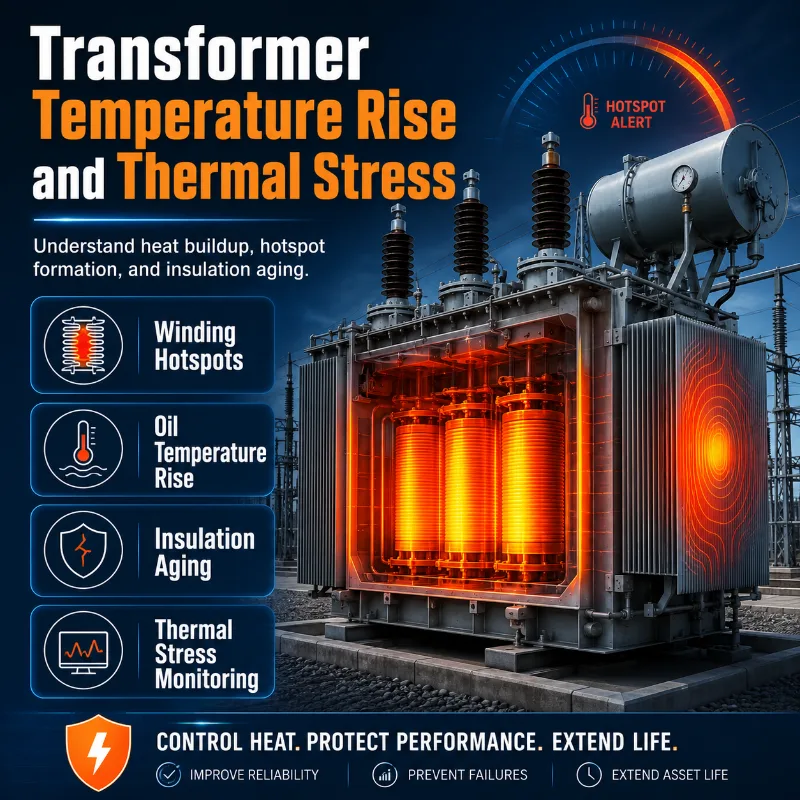
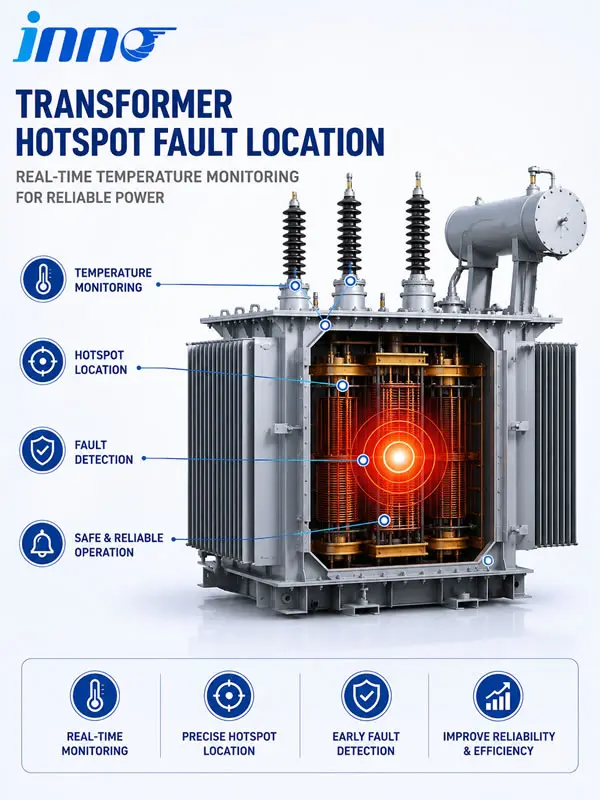
The probe can be installed near transformer winding hotspots for direct optical temperature measurement in dry-type or oil-immersed transformer applications.
Typical Transformer Measuring Points
- Dry-type transformer coil hotspot
- Oil-immersed transformer winding hotspot
- Internal high-voltage temperature point
- Special transformer winding area
Switchgear Contact Temperature Monitoring
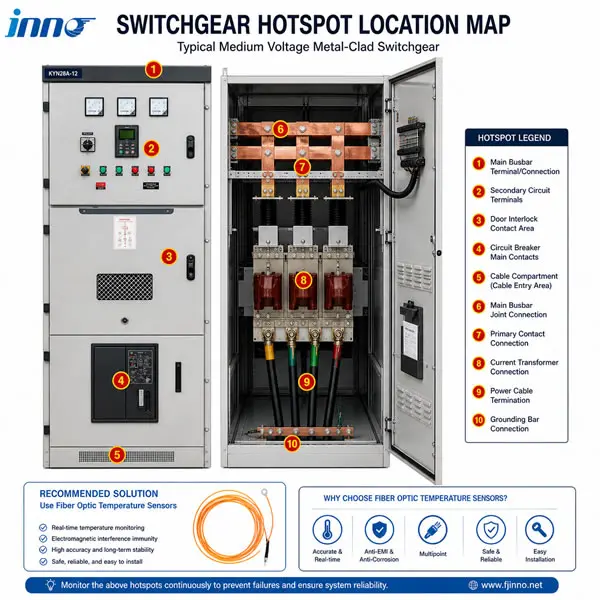
The probe can be used near circuit breaker contacts, moving/static contacts and cabinet connection points where local overheating may occur.
Typical Switchgear Measuring Points
- Circuit breaker contact
- Busbar joint
- Cable terminal
- Disconnector contact
- High-voltage cabinet connection point
Busbar Joint Hotspot Detection
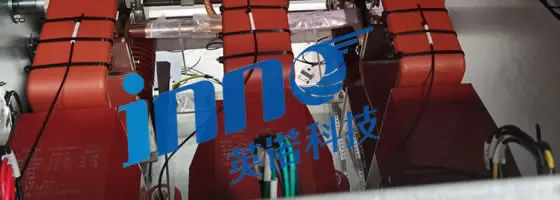
The probe can be used for direct local temperature monitoring on copper busbar joints and high-current electrical connection positions.
Cable Joint and Cable Terminal Monitoring
The probe can be used for compact cable connection areas where insulation, cabinet space and local hotspot monitoring are important.
Ring Main Unit Plug Temperature Monitoring
Miniature or customized probe structures can be selected for RMU plug connections and insulated cable connector positions.
GIS Cabinet Temperature Monitoring

The probe can be used in selected GIS cabinet positions where optical isolation and stable signal routing are required.
Generator Winding Temperature Measurement
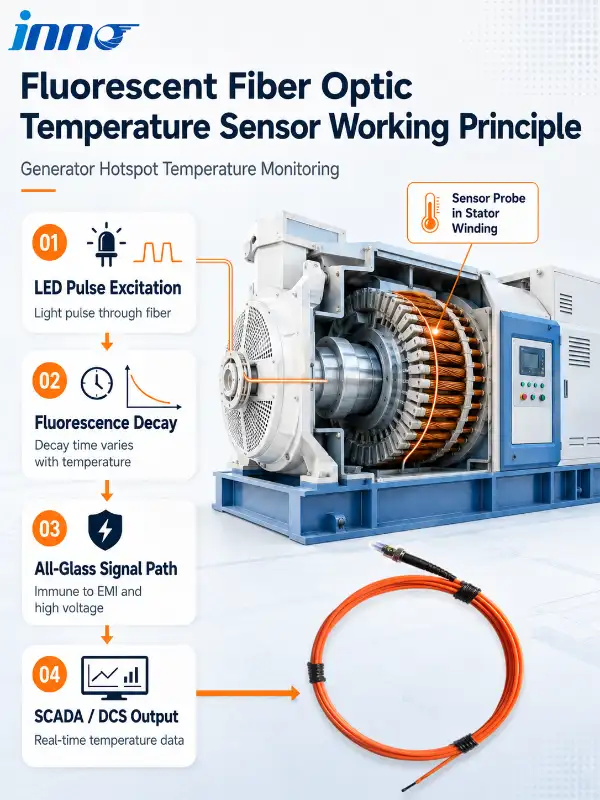
The probe can support optical temperature measurement in generator winding areas with strong electromagnetic interference.
Параметры настройки
Диаметр зонда
The probe can be customized for narrow gaps, embedded positions, surface contact points and compact electrical cabinets.
Длина волокна
The fiber can be designed according to the distance between the measuring point and the monitoring device.
Sensing Tip Structure
The sensing tip can be designed for surface contact, embedded measurement, winding installation or extended-depth measurement.
Housing and Protection
Different housing structures can be selected according to mechanical strength, insulation requirement, oil resistance and installation method.
Mounting Method
Surface-mounted, embedded, armored, insulated and project-specific structures can be selected according to the measuring point.
Compatible Monitoring Devices
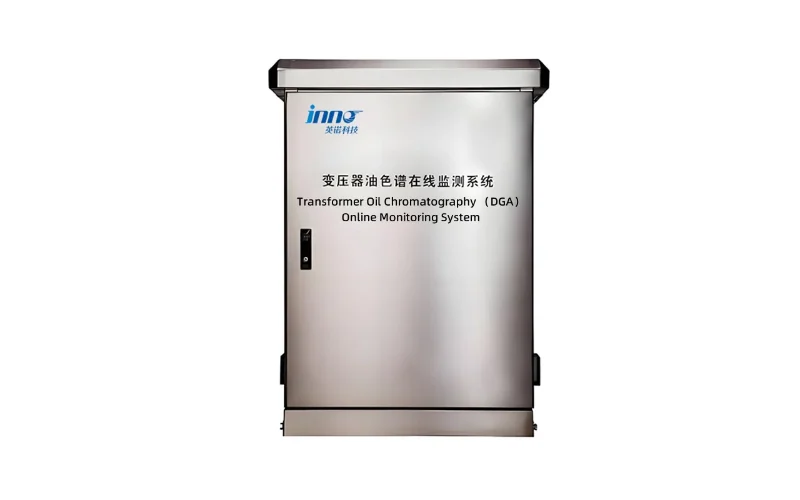
The probe works with fiber optic temperature monitoring devices that provide excitation light, signal detection, temperature calculation, display, alarm and data output functions.
Single-Channel Device
Suitable for one measuring point or one customized hotspot position.
Multi-Channel Device
Suitable for multiple measuring points in transformers, switchgear, busbars, cable terminals or complete electrical equipment monitoring systems.
Системная интеграция
Depending on the selected monitoring device, the system can be connected to local panels, alarm units or higher-level monitoring platforms.
How to Choose the Right Probe
Confirm the Equipment
Identify whether the probe will be used for transformer, switchgear, busbar, cable joint, RMU, GIS, generator or other equipment.
Confirm the Measuring Point
Define the exact hotspot or surface position to be measured.
Confirm the Installation Space
Check the available space, mounting method, routing path and mechanical protection requirement.
Confirm the Monitoring System
Select the suitable monitoring device according to measuring point quantity and system output requirement.
Confirm the Operating Environment
Consider voltage level, insulation distance, oil environment, mechanical stress and long-term operation conditions.
Recommended Information for Probe Selection
| Обязательные данные | Пример |
|---|---|
| Тип оборудования | Transformer, switchgear, busbar, cable joint, RMU, GIS or generator |
| Точка измерения | Winding hotspot, contact point, busbar joint, cable terminal or plug connection |
| Number of measuring points | Single point or multiple points |
| Installation structure | Embedded, surface-mounted, armored, insulated or customized |
| Monitoring system | Single-channel or multi-channel device |
| Условия эксплуатации | High voltage, oil environment, compact cabinet, strong EMI or long-term operation |
Часто задаваемые вопросы
What is a fluorescent fiber optic temperature sensor probe?
It is a point-type optical temperature probe that uses fluorescence afterglow lifetime measurement for local temperature sensing.
How does fluorescence lifetime temperature measurement work?
The fluorescent material emits an afterglow signal after optical excitation. The monitoring device calculates temperature from the decay lifetime of that signal.
Why is lifetime measurement more stable than intensity measurement?
Lifetime measurement focuses on decay time rather than absolute signal strength, so it is less affected by optical loss and light intensity fluctuation.
How is it different from FBG temperature sensing?
FBG sensors use wavelength shift, while fluorescent lifetime probes use afterglow decay time. Fluorescent probes are especially suitable for compact point hotspot measurement.
How is it different from GaAs optical sensing?
GaAs sensing uses semiconductor absorption characteristics. Fluorescent lifetime sensing uses fluorescent material decay time and is suitable for point-type electrical hotspot monitoring.
Is the probe suitable for transformer windings?
Yes. It can be used for transformer winding hotspot measurement when the probe structure matches the winding and insulation design.
Can it be used in switchgear?
Yes. It can be used for contacts, busbar joints, cable terminals and other cabinet hotspot positions.
Can the probe be customized?
Yes. The probe structure can be customized according to measuring point, installation space and equipment environment.
What monitoring device is required?
The probe needs to work with a fiber optic temperature monitoring device that provides excitation, signal detection and temperature output.
What information is needed for selection?
Equipment type, measuring point, installation structure, monitoring point quantity and operating environment are usually required.
Fluorescent Fiber Optic Temperature Sensor Probe for High-Voltage Equipment
The fluorescent fiber optic temperature sensor probe provides optical, insulated and EMI-immune point temperature measurement for high-voltage electrical equipment. Its lifetime-based afterglow sensing principle makes it suitable for transformer windings, switchgear contacts, busbar joints, cable terminals, RMU plugs, GIS cabinets and generator windings where stable local hotspot monitoring is required.