
Giám sát máy biến áp ngâm dầu
Monitor winding hot spots, insulating oil, dissolved gases, partial discharge, oil level, pressure, bushings, OLTC and cooling conditions to identify developing abnormalities in oil-filled transformers.
Build a monitoring configuration around the actual thermal, insulation and oil-system risks of each transformer.
Why Oil-Immersed Transformers Need More Than Temperature Monitoring
Oil-immersed transformers rely on the combined performance of the winding, oil-paper insulation, insulating oil, cooling system, tank accessories, bushings and OLTC. During continuous operation, these systems can be affected by thermal stress, electrical stress, insulation aging, oil deterioration, cooling degradation, leakage, abnormal internal pressure and discharge activity.
A normal top-oil temperature does not necessarily mean that winding hot spots, insulation degradation or developing internal faults are absent.
A comprehensive online monitoring approach combines winding temperature, oil temperature, dissolved gas analysis, partial discharge, oil level, pressure, bushing condition, OLTC condition and cooling status to build a fuller picture of transformer condition.
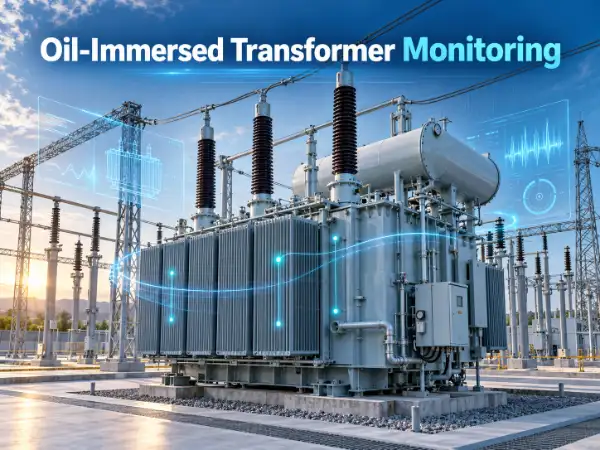
Protecting the Oil-Paper Insulation System
Oil and cellulose insulation work together to provide electrical insulation and thermal management inside an oil-immersed transformer. Over time, excessive temperature, local overheating, moisture, electrical stress, oxidation and discharge activity can all affect this system.
Thermal and electrical abnormalities can accelerate insulation aging before obvious external symptoms appear.
- Direct winding temperature monitoring
- Dissolved gas analysis (DGA)
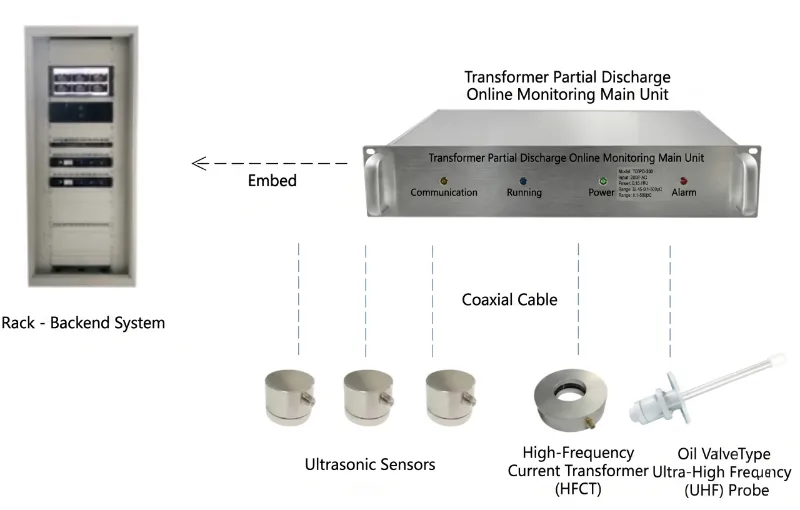
- Partial discharge monitoring
- Oil condition monitoring
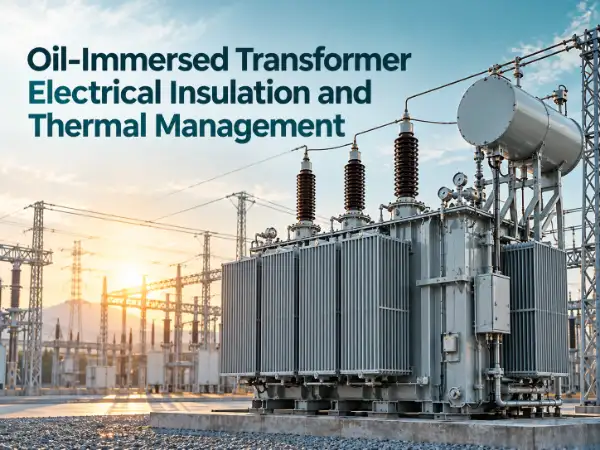
Direct Winding Hot Spot Monitoring
Top-oil temperature represents the general thermal condition of the transformer, but it may not fully represent localized winding hot spots that can develop under heavy loading, localized heating, cooling imbalance or uneven thermal distribution.
Top-oil temperature reflects the overall thermal condition, while direct winding hot spot monitoring provides information from critical internal locations.
- Heavy loading conditions
- Localized heating
- Cooling imbalance
- Accelerated insulation aging risk
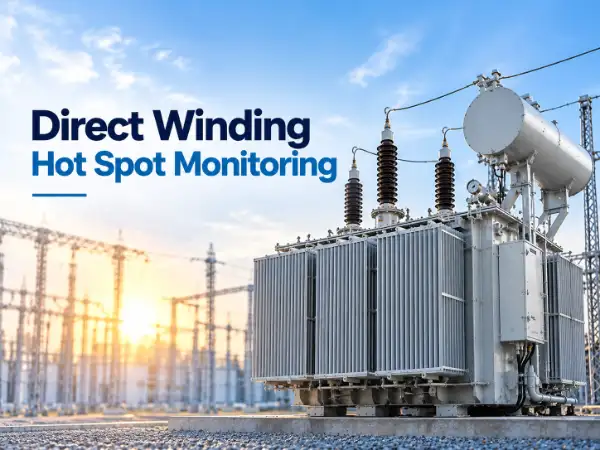
Dissolved Gas Monitoring for Internal Fault Development
Transformer oil can carry chemical evidence of developing internal faults. Monitoring applications cover internal overheating, arcing, discharge activity, insulation decomposition and fault development trends.
DGA is particularly valuable for oil-immersed transformers because changes in dissolved gases can provide indications of developing thermal and electrical abnormalities inside the transformer.
Partial Discharge and Insulation Condition Monitoring
Oil-paper insulation, windings, internal leads and other high-voltage insulation structures may develop localized defects. Partial discharge monitoring can help identify developing insulation defects, track discharge activity, observe condition trends, support maintenance prioritization and provide additional evidence alongside DGA and temperature monitoring.
Oil Temperature, Level and Pressure Monitoring
Oil temperature, oil level and pressure are not isolated accessory measurements. Together they provide useful information about the operating condition of the oil system and transformer tank.
Oil Temperature
- Overall thermal condition
- Cooling effectiveness
- Abnormal temperature rise
Oil Level
- Oil loss
- Leakage indication
- Abnormal level changes
Pressure
- Abnormal internal pressure
- Tank operating condition
- Pressure-related abnormalities
The Transformer Oil Temperature, Level & Pressure Monitoring System integrates these measurements to support assessment of thermal conditions, oil-system status and pressure-related abnormalities.
Cooling Performance Monitoring
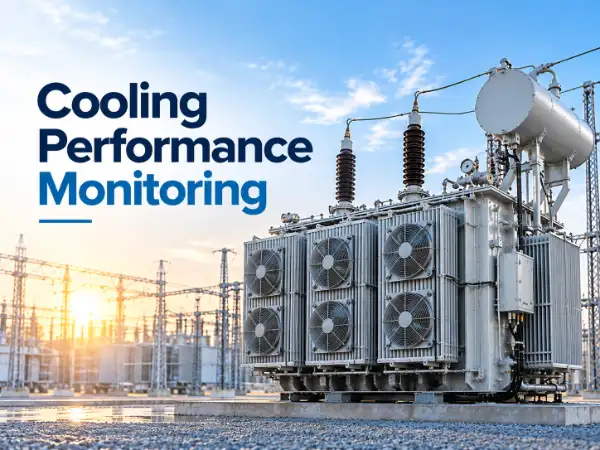
Transformer thermal reliability also depends on the proper operation of the cooling system, covering cooling fans, oil pumps, radiators, cooling stages, top-oil temperature and load versus temperature behavior.
Cooling degradation → reduced heat dissipation → rising oil / winding temperature → increased insulation thermal stress.
Monitoring Critical Transformer Accessories
Bushings and OLTCs are critical components whose deterioration may affect transformer reliability even when winding and oil conditions appear normal.
Transformer Bushing Monitoring
- Sự xuống cấp của lớp cách nhiệt
- Hành vi điện môi bất thường
- Các bất thường về dòng rò
- Developing bushing problems
On-Load Tap Changer Monitoring
- Switching operation
- Contact condition
- Drive mechanism
- Mechanical and electrical abnormalities
- Operating trends
What Can Different Monitoring Signals Tell You?
| Observed Condition | Possible Concern | Useful Monitoring |
|---|---|---|
| Rising winding temperature | May be associated with overload, localized heating or a cooling problem | Winding hot spot monitoring |
| Abnormal top-oil temperature | May indicate increased thermal load or reduced cooling performance | Oil temperature + cooling monitoring |
| Abnormal dissolved gas trend | May indicate a developing thermal or electrical fault | DGA |
| Increasing partial discharge activity | May indicate a developing insulation defect | Partial discharge monitoring |
| Falling or abnormal oil level | May be associated with oil loss, leakage or an abnormal oil-system condition | Oil level monitoring |
| Abnormal pressure | May indicate an abnormal tank or internal operating condition | Pressure monitoring |
| Cooling equipment abnormality | Can lead to reduced heat dissipation | Cooling + temperature monitoring |
| Bushing abnormality | May indicate developing insulation deterioration | Giám sát ống lót |
| OLTC operating abnormality | May indicate a mechanical or electrical issue | OLTC monitoring |
These signals support assessment and maintenance prioritization rather than providing a definitive diagnosis on their own.
Monitoring for New and Existing Oil-Immersed Transformers
Các dự án Transformer mới
Monitoring functions can be planned during transformer design, manufacturing or commissioning.
- Embedded winding hot spot sensing
- DGA
- Partial discharge
- Giám sát ống lót
- OLTC monitoring
- Oil temperature / level / pressure
- Cooling monitoring
- Tích hợp SCADA
Monitoring can be incorporated into the transformer project before commissioning.
Nâng cấp máy biến áp hiện có
Existing oil-immersed transformers can often be upgraded with additional monitoring functions according to the installed equipment and available interfaces.
- Tích hợp các cảm biến hiện có
- Additional temperature monitoring
- Nâng cấp hệ thống DGA
- PD monitoring
- Oil level / pressure monitoring
- Giám sát ống lót
- OLTC monitoring
- Cooling status monitoring
- Communication integration
Retrofit projects do not necessarily require replacement of the entire existing monitoring infrastructure, depending on existing equipment and project conditions.
Not Sure Which Parameters Need Continuous Monitoring?
Tell us your transformer type, rating, existing sensors, current monitoring equipment and the conditions you want to monitor. We can help identify a suitable monitoring configuration for your project.
Choose Monitoring by Transformer Risk, Not by a Fixed Package
Thermal Risk Focus
Typical concerns: high loading, temperature rise, cooling performance. Relevant monitoring: winding hot spot, oil temperature, cooling system.
Internal Fault Focus
Typical concerns: aging transformer, previous abnormalities, insulation concerns, critical service. Relevant monitoring: DGA, partial discharge, temperature.
Comprehensive Condition Monitoring
Typical concerns: critical power transformer, high-value asset, remote / unattended operation, higher reliability requirement. Potential monitoring: winding temperature, DGA, PD, bushing, OLTC, oil temperature / level / pressure, cooling.
These are configuration examples rather than fixed packages. The final monitoring configuration should be selected according to transformer condition, criticality, existing instrumentation and project objectives.
From Transformer Sensors to SCADA
Monitoring functions can be integrated according to existing sensors, installed devices, transformer condition and the customer's control system architecture.
Recommended Monitoring Systems for Oil-Immersed Transformers
Select monitoring functions according to the transformer's thermal condition, insulation risk, oil system, critical components and existing monitoring infrastructure.
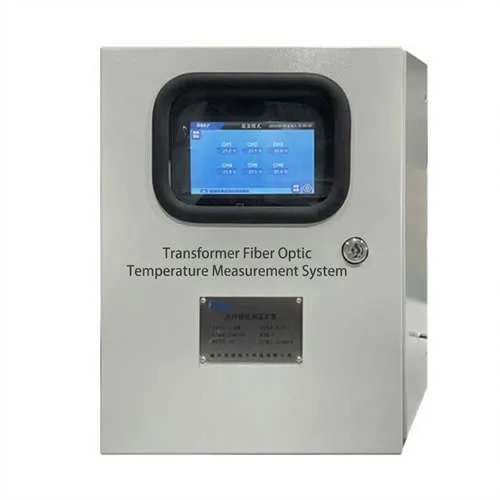
Transformer Winding Hot Spot Monitoring System
Direct monitoring of critical winding hot spots inside oil-immersed transformers to support thermal assessment, loading decisions and insulation life evaluation.
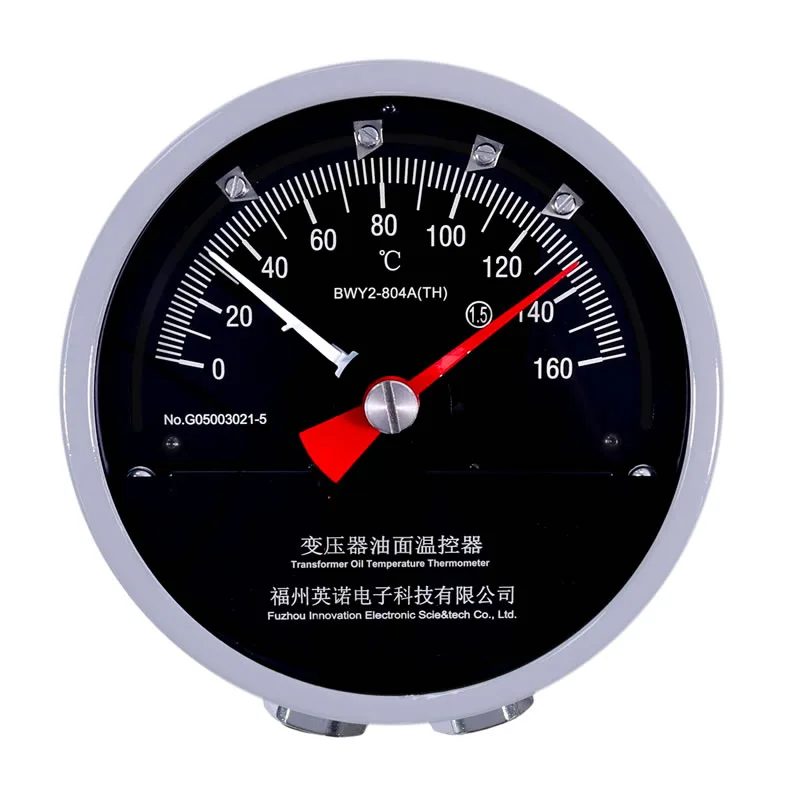
Transformer Oil Temperature, Level & Pressure Monitoring System
Integrated monitoring of transformer oil temperature, oil level and pressure to support assessment of thermal conditions, oil-system status and pressure-related abnormalities.
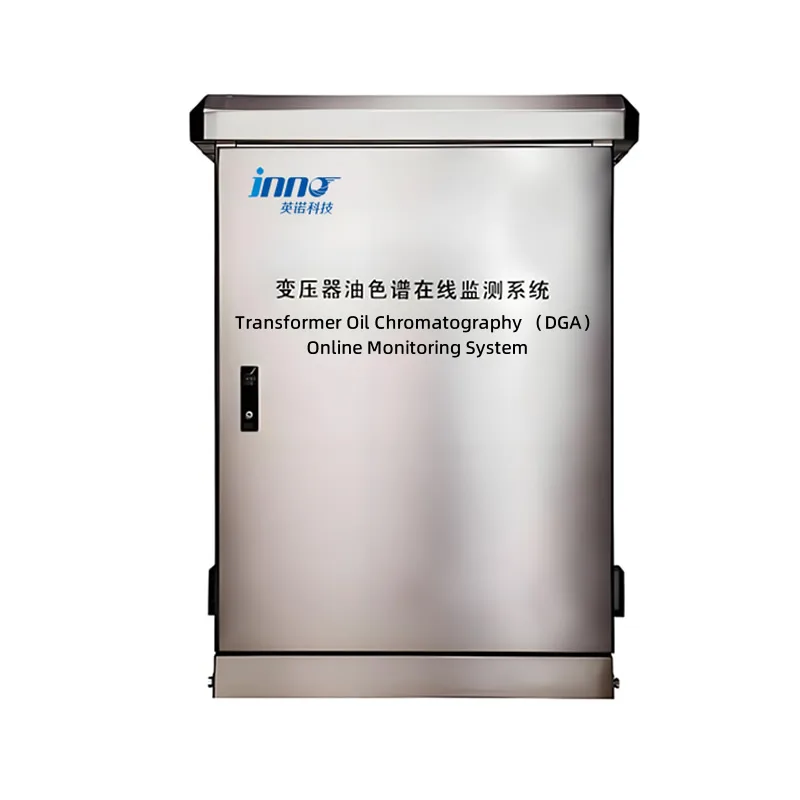
Hệ thống giám sát DGA trực tuyến
Continuous monitoring of dissolved gas trends in transformer oil to help identify developing thermal and electrical abnormalities.
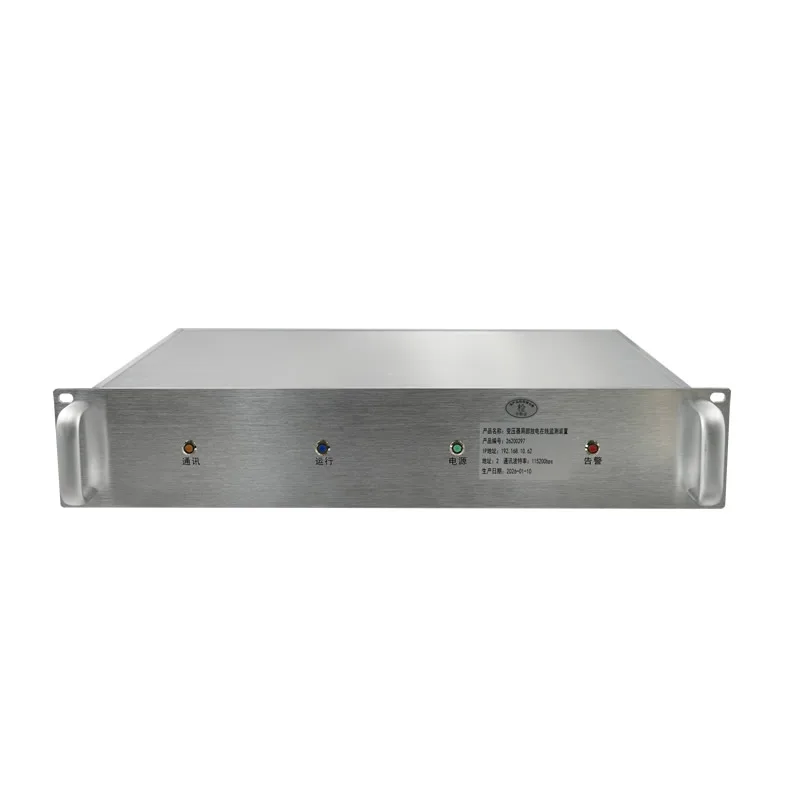
Hệ thống giám sát trực tuyến hiện tượng phóng điện cục bộ của máy biến áp
Online monitoring of partial discharge activity to help detect developing insulation defects and support transformer insulation assessment.
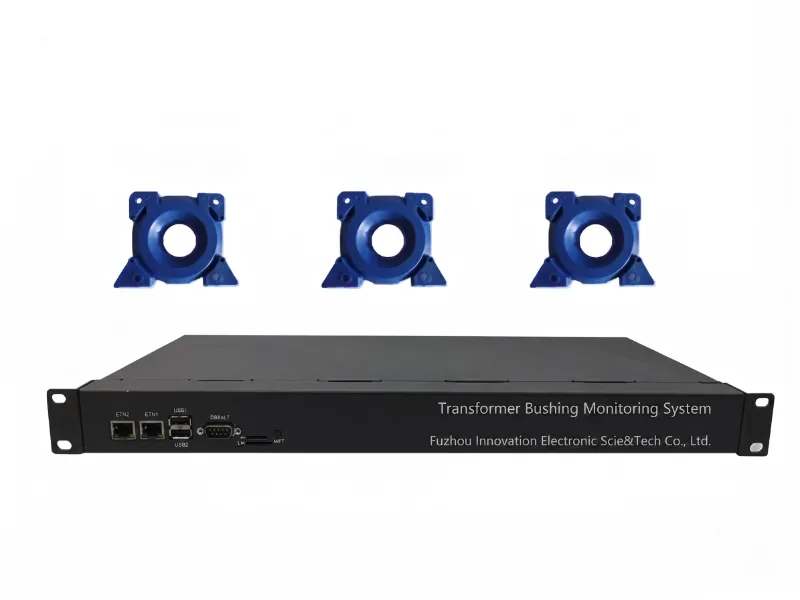
Hệ thống giám sát ống lót biến áp
Condition monitoring for critical transformer bushings to support identification of developing insulation and electrical abnormalities.
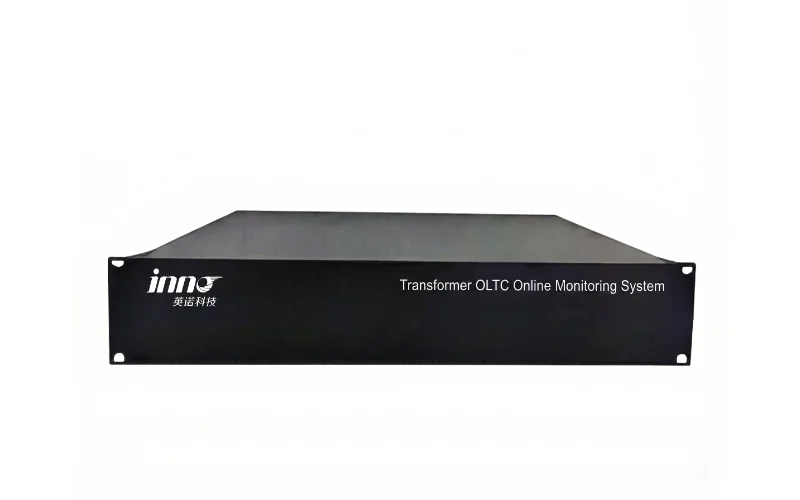
OLTC Online Monitoring System
Continuous monitoring of on-load tap changer operating condition to help identify developing mechanical and electrical abnormalities.
How to Select an Oil-Immersed Transformer Monitoring Configuration
Selection should be guided by factors such as:
- Loại máy biến áp
- Transformer rating
- Mức điện áp
- Age and operating history
- Asset criticality
- Loading condition
- Các cảm biến hiện có
- Thiết bị giám sát hiện có
- Known risk points
- Required monitoring parameters
- Existing SCADA / control system
- New-build or retrofit project
- Maintenance strategy
The most effective monitoring system is not necessarily the one with the largest number of sensors, but the one configured around the transformer's actual risks and maintenance objectives.
Oil-Immersed Transformer Monitoring FAQ
What should be monitored on an oil-immersed transformer?
Depending on the transformer's importance and condition, monitoring can cover winding hot spots, oil-paper insulation, dissolved gases, partial discharge, oil temperature, oil level, pressure, bushing condition, OLTC condition and cooling system status.
Is top-oil temperature enough to monitor transformer thermal condition?
Top-oil temperature reflects the overall thermal condition, but it may not fully represent localized winding hot spots. Direct winding hot spot monitoring provides additional information from critical internal locations.
Why is winding hot spot monitoring important?
Localized heating under heavy loading or cooling imbalance can accelerate insulation aging at specific points that top-oil temperature alone does not fully represent.
Why is DGA particularly useful for oil-immersed transformers?
Transformer oil can carry chemical evidence of developing internal faults, so tracking dissolved gas trends can provide indications of developing thermal and electrical abnormalities inside the transformer.
What is the difference between DGA and partial discharge monitoring?
DGA tracks fault-related gases dissolved in the transformer oil, while partial discharge monitoring tracks electrical discharge activity directly in the insulation system. The two methods provide different evidence and are often used together.
Why should transformer oil level and pressure be monitored?
Oil level and pressure can help identify oil loss, leakage indication, abnormal level changes and abnormal tank operating conditions.
Can an existing oil-immersed transformer be upgraded with online monitoring?
In many cases, yes. Retrofit projects do not necessarily require replacement of the entire existing monitoring infrastructure, depending on existing equipment and project conditions.
Can existing transformer sensors be integrated into a new monitoring system?
Existing sensors can often be integrated depending on their signal type, installed devices and available interfaces.
Can transformer monitoring data be connected to SCADA?
Yes. Monitoring functions can be integrated with SCADA, control center or remote monitoring platforms via a communication and gateway layer.
Does every oil-immersed transformer need DGA, PD, bushing and OLTC monitoring?
No. The final monitoring configuration should be selected according to transformer condition, criticality, existing instrumentation and project objectives, rather than a fixed package.
How should monitoring functions be selected for an existing transformer?
Consider transformer type, rating, age and operating history, asset criticality, loading condition, existing sensors and monitoring equipment, known risk points, required monitoring parameters, existing SCADA / control system and maintenance strategy.
Planning a New Transformer or Retrofit Project?
Send us your transformer type, rating, existing instrumentation, monitoring requirements and system integration needs. We can help identify suitable monitoring points and develop a monitoring architecture around the actual requirements of your project.